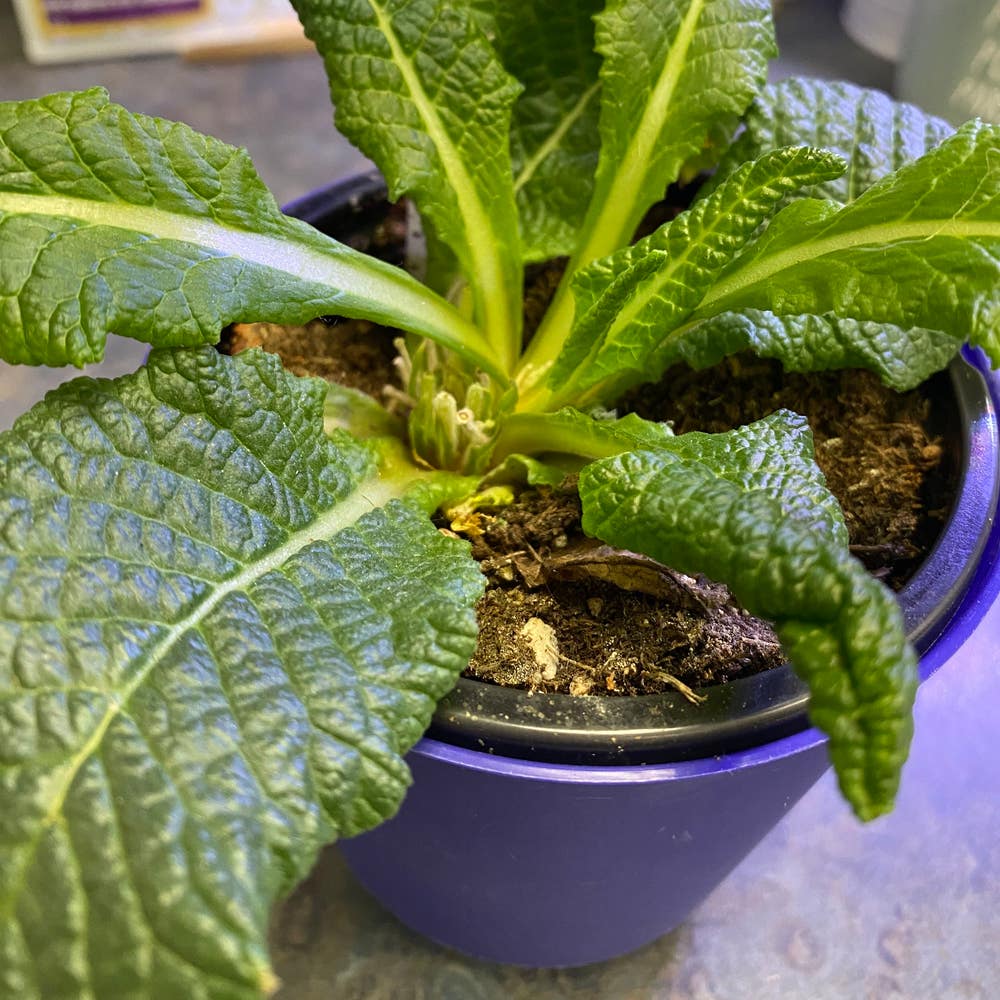
Ultimate Guide to Temperature for Primula obconica
Primula obconica
By the Greg Editorial Team
Jan 07, 2025•2 min read
This article was created with the help of AI so we can cover more plants for you. May contain errors. See one? Report it here.
Unlock vibrant blooms for your Primula obconica 🌸 by mastering its temperature needs for optimal growth!
- 🌡️ Primula obconica thrives between 15°C to 20°C for optimal growth and blooming.
- ❄️ Avoid temperatures below 10°C to prevent stress and damage to the plant.
- 🌞 High temperatures above 25°C can stunt growth and reduce flowering potential.
Temperature Needs of Primula obconica
🌡️ Optimal Temperature Range for Growth
Primula obconica thrives best in a temperature range of 15°C to 20°C (59°F to 68°F). Maintaining this range is crucial for promoting optimal blooming and healthy growth.
❄️ Temperature Tolerance Limits
Minimum Temperature Tolerance
This plant can tolerate light frosts, making it somewhat resilient to cold. However, prolonged exposure to temperatures below 10°C (50°F) can lead to detrimental effects, such as wilting and leaf drop.
🔥 Maximum Temperature Tolerance
On the flip side, Primula obconica struggles when temperatures exceed 25°C (77°F). Excessive heat can stunt growth and reduce flowering, which can be disappointing for any plant enthusiast.
⚠️ Temperature Stress in Primula obconica
Signs and Symptoms of Temperature Stress
When experiencing temperature stress, Primula obconica exhibits visual indicators like wilting, leaf drop, and discoloration. You may also notice stunted growth and fewer flowers, signaling that your plant is not happy.
🥵 Causes of Temperature Stress
Temperature stress can stem from cold drafts that cause sudden drops in temperature. Additionally, heat exposure from direct sunlight or high indoor temperatures can exacerbate the situation.
🛠️ Recovery Strategies for Stressed Plants
Immediate Actions
If your Primula obconica shows signs of stress, relocate it to a more stable temperature environment right away. This quick action can help mitigate further damage.
📈 Long-term Strategies
Gradual acclimatization to new temperatures is essential for long-term recovery. Slowly introducing your plant to its new environment can help it adjust without added stress.
💧 Brief Mention of Humidity's Role
Humidity levels can significantly impact temperature stress in Primula obconica. High humidity can exacerbate the effects of temperature extremes, making it vital to monitor both factors for optimal plant health.
With a solid understanding of temperature needs, you can ensure your Primula obconica thrives beautifully!
⚠️ Safety First
This content is for general information and may contain errors, omissions, or outdated details. It is not medical, veterinary advice, or an endorsement of therapeutic claims.
Always consult a qualified healthcare professional before using any plant as food, medicine, or supplement.
Never eat any plant (or feed one to pets) without confirming its identity with at least two trusted sources.
If you suspect poisoning, call Poison Control (800) 222-1222, the Pet Poison Helpline (800) 213-6680, or your local emergency service immediately.
Spotted an error? Please report it here.
Keep your Primula obconica thriving 🌼 by monitoring its temperature needs with Greg's personalized care reminders for optimal growth and blooming!