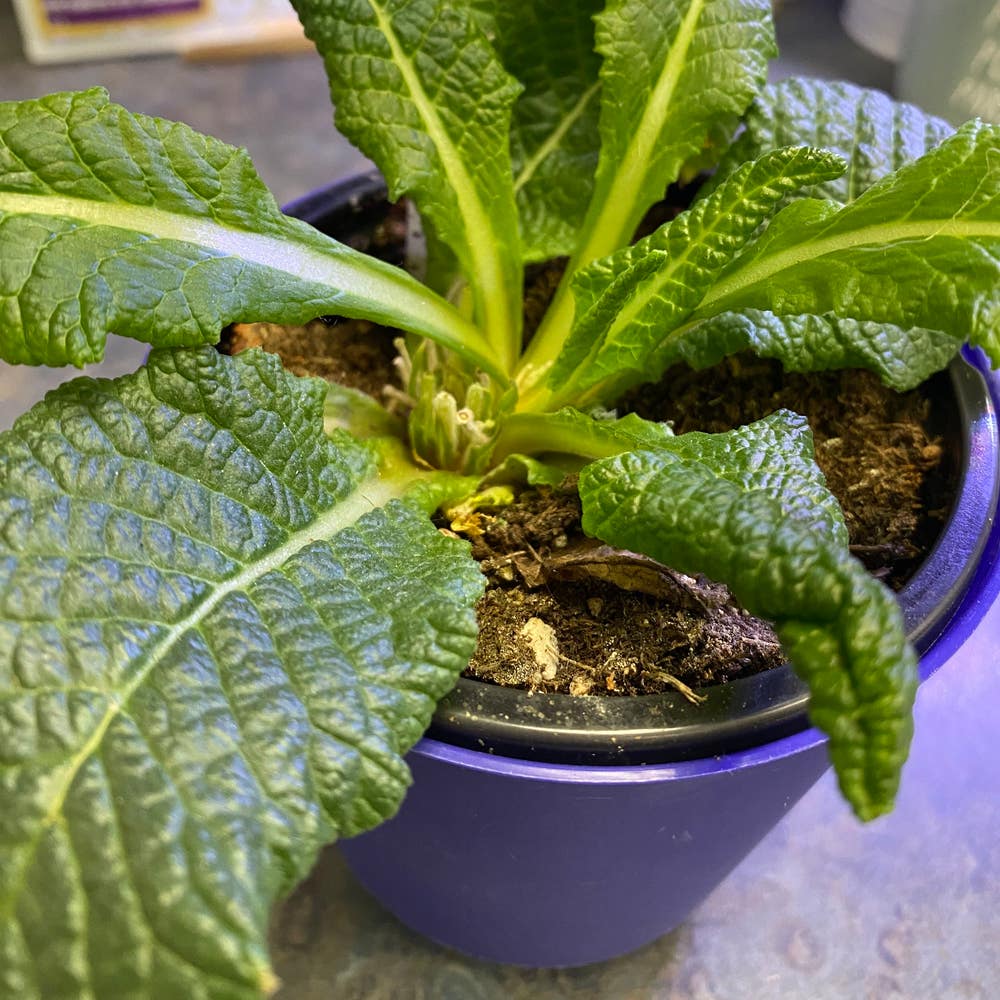
🌸 Primula obconica Hardiness Zones: 8a-10b
Primula obconica
By the Greg Editorial Team
Jan 07, 2025•5 min read
This article was created with the help of AI so we can cover more plants for you. May contain errors. See one? Report it here.
Master the art of growing Primula obconica 🌼 by understanding its temperature needs and ideal conditions for vibrant blooms! 🌱
- 🌡️ Primula obconica thrives in USDA zones 8a-10b, tolerating cold down to 20°F (-6°C).
- 🌼 Light frost boosts growth and blooms, but avoid prolonged freezing exposure.
- 🌿 Well-drained soil and partial shade are essential for optimal health and growth.
Temperature Tolerance
❄️ Cold Tolerance Specifics
Primula obconica can tolerate cold temperatures down to 20°F (-6°C). This resilience allows it to withstand light frosts, which can be beneficial for growth in cooler climates.
Light frost can actually stimulate growth in some cases, encouraging the plant to produce more vibrant blooms. However, prolonged exposure to freezing temperatures can be detrimental, so it's essential to monitor conditions closely.
☀️ Heat Tolerance Specifics
On the warmer side, Primula obconica thrives in temperatures up to 90°F (32°C). While it can handle heat, prolonged exposure can lead to stress, causing wilting or reduced flowering.
It's crucial to provide adequate hydration during hot spells to maintain its health. This helps prevent the plant from becoming too stressed and ensures it continues to flourish.
🌡️ Ideal Temperature Ranges for Growth
For optimal growth, Primula obconica prefers temperatures between 60°F and 75°F (15°C to 24°C). This range promotes healthy development and vibrant blooms.
Avoiding extreme temperature fluctuations is key to keeping your Primula happy. Sudden changes can shock the plant, leading to stunted growth or even death.
With a solid understanding of temperature tolerance, you can create the perfect environment for your Primula obconica to thrive. Next, let’s explore the ideal growing regions where these beautiful plants can flourish.
Ideal Growing Regions
🌍 Examples of US States in Suitable Hardiness Zones
Primula obconica thrives in USDA hardiness zones 8a to 10b, making several states ideal for its growth. Key states include California, Florida, Texas, and parts of the Southeast, where the climate supports this vibrant plant.
In California, regions like the coastal areas and the Central Valley provide the perfect environment. Florida's warm climate, especially in southern regions, also fosters healthy growth. Texas, particularly in the eastern parts, offers mild winters and warm summers, while the Southeast boasts similar favorable conditions.
☀️ Factors Contributing to Ideal Growing Conditions
The climate characteristics in these regions are crucial for the success of Primula obconica. Mild winters and warm summers create a conducive environment, while humidity levels help maintain moisture in the soil.
Well-drained soil is essential for preventing root rot, and partial shade can protect the plant from harsh midday sun. These factors combined ensure that Primula obconica can flourish and display its beautiful blooms.
🔍 Comparison of Different Regions Within the Hardiness Zones
Even within the same hardiness zone, microclimates can significantly impact growth. For instance, coastal areas may experience milder temperatures and higher humidity compared to inland regions.
Variations in temperature and humidity can be observed across different regions. A sheltered garden in a warm area may provide better conditions than an exposed location, highlighting the importance of understanding local microclimates for optimal plant health.
As you explore the ideal growing regions for Primula obconica, consider how these factors interplay to create the perfect environment for this lovely plant. Next, we will delve into the fascinating world of microclimates and their impact on plant growth.
Microclimates and Their Impact
🌍 Definition of Microclimates
Microclimates are localized climate zones that differ from the surrounding area. They can be influenced by various factors, including elevation, proximity to water, and urban heat islands.
🌱 How Microclimates Can Extend Growing Conditions
Microclimates can create favorable conditions for Primula obconica, allowing it to thrive beyond its typical hardiness zones. These unique environments can shield the plants from frost and extreme temperatures, promoting healthier growth.
🌞 Examples of Microclimates That Benefit Growth
Certain scenarios can significantly enhance the growth of Primula obconica. Sheltered gardens, for instance, can provide protection from harsh winds, while south-facing walls absorb sunlight, creating a warmer microenvironment.
Coastal areas also offer unique advantages, with their moderated temperatures and increased humidity. Observing local conditions is crucial to identifying potential microclimates that can support your plants effectively.
Understanding these microclimates not only helps in growing Primula obconica but also enriches your gardening experience. By recognizing and utilizing these localized conditions, you can create a thriving garden that showcases the beauty of these resilient plants.
As we explore the state-level suitability analysis next, we’ll dive deeper into which regions are best suited for Primula obconica and why.
State-Level Suitability Analysis
List of US States in Hardiness Zones 8a-10b 🌱
Primula obconica thrives in several states within USDA hardiness zones 8a to 10b. Key states include:
- California: Known for its mild coastal climate and warm inland areas, California provides ideal conditions for Primula obconica.
- Florida: With its subtropical climate, Florida offers warmth and humidity that support vibrant growth.
- Texas: The diverse climate ranges from humid coastal areas to drier regions, making it suitable for this plant.
- Louisiana: The warm, humid environment is perfect for Primula obconica, especially in the southern parts.
- Arizona: While hot, the cooler nights in certain areas can benefit this plant.
- Parts of the Carolinas: Regions with mild winters and warm summers create a favorable environment.
States Where It Is Not Suitable and Reasons Why 🚫
Not all states are conducive to growing Primula obconica. States like:
- North Dakota: Extreme cold and heavy snowfall make it unsuitable for this delicate plant.
- Montana: Similar to North Dakota, harsh winters and short growing seasons hinder growth.
- Parts of the Northeast: States like Maine and Vermont experience cold temperatures and frost that can damage Primula obconica.
These environmental factors, including extreme cold and heavy snowfall, significantly limit the plant's ability to thrive.
Discussion of Environmental Factors Affecting Suitability 🌍
Several environmental factors play a crucial role in the success of Primula obconica.
- Soil Type: Well-drained soil is essential to prevent root rot and promote healthy growth.
- Drainage: Proper drainage ensures that excess water does not accumulate, which can be detrimental.
- Local Weather Patterns: Understanding local climate variations helps in selecting the best planting locations.
Both macro and micro environmental conditions must be considered for optimal growth. Observing local conditions can lead to better planting decisions and healthier plants.
As you explore growing Primula obconica, remember that the right environment can make all the difference. With the right conditions, this beautiful plant can flourish, bringing color and life to your garden.
⚠️ Safety First
This content is for general information and may contain errors, omissions, or outdated details. It is not medical, veterinary advice, or an endorsement of therapeutic claims.
Always consult a qualified healthcare professional before using any plant as food, medicine, or supplement.
Never eat any plant (or feed one to pets) without confirming its identity with at least two trusted sources.
If you suspect poisoning, call Poison Control (800) 222-1222, the Pet Poison Helpline (800) 213-6680, or your local emergency service immediately.
Spotted an error? Please report it here.
Unlock the full potential of your Primula obconica with Greg's tailored care tips, ensuring vibrant blooms and resilience through light frosts! 🌼