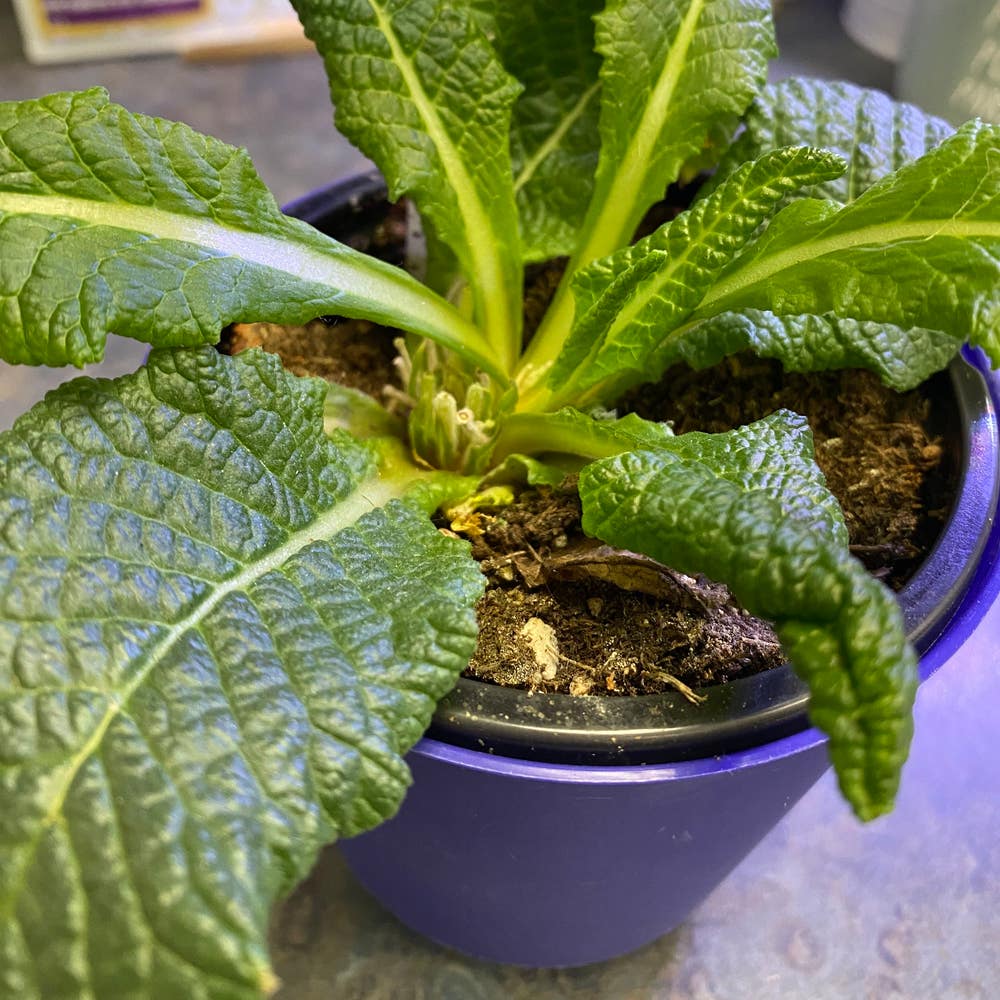
What to Know About Growing Your Primula obconica Indoors 🌸
Primula obconica
By the Greg Editorial Team
Jan 07, 2025•7 min read
This article was created with the help of AI so we can cover more plants for you. May contain errors. See one? Report it here.
Unlock vibrant blooms of Primula obconica 🌸 by mastering essential care tips for your indoor garden!
- 🌞 Primula obconica needs 6-8 hours of bright, indirect sunlight daily for optimal growth.
- 💧 Water every 5-7 days, allowing the top inch of soil to dry out.
- 🌬️ Maintain humidity between 50%-70% for healthy indoor growth and avoid drafts.
Light Requirements
Optimal Light Levels for Indoor Growth 🌞
For your Primula obconica to thrive indoors, it needs bright, indirect sunlight for about 6-8 hours each day. Direct sunlight can scorch the leaves, so it's best to keep them shielded from harsh rays.
Role of Grow Lights 💡
In situations where natural light is limited, grow lights become essential. They provide the consistent light necessary for healthy growth and vibrant flowering, ensuring your plant remains lively even in dim conditions.
Choosing the Best Grow Light 🛠️
When selecting a grow light, you have options like LED and fluorescent types. For small to medium-sized plants, a wattage of 20-40 watts is recommended, with the light positioned 12-24 inches above the plant to maximize effectiveness.
Transitioning to the next section, understanding your Primula's watering needs is crucial for maintaining its health and vibrancy.
Watering Needs
Frequency and Amount of Watering 🌊
To keep your Primula obconica thriving, stick to a watering schedule of every 5-7 days. Make sure to let the top inch of soil dry out between waterings to prevent soggy roots.
Water thoroughly until you see it draining from the bottom of the pot. This ensures that the roots are getting the moisture they need without becoming waterlogged.
Signs of Overwatering and Underwatering 🚨
It’s crucial to recognize the signs of overwatering. If you notice yellowing leaves, wilting, or root rot, it’s time to reassess your watering habits.
On the flip side, underwatering can also be detrimental. Watch for drooping leaves, dry soil, and stunted growth as indicators that your plant needs a drink.
By keeping an eye on these signs, you can maintain a healthy watering routine that supports your Primula's growth. Next, let’s explore the ideal humidity and temperature conditions for your indoor garden.
Humidity and Temperature
Ideal Humidity Levels 🌧️
For your Primula obconica to thrive indoors, aim for a humidity level between 50% and 70%. This range mimics their natural habitat and promotes healthy growth.
To boost humidity, consider these methods:
- Pebble trays: Fill a shallow tray with pebbles and water, placing your plant on top. As the water evaporates, it creates a humid microclimate.
- Humidifiers: These devices can maintain consistent humidity levels, especially in dry environments.
- Grouping plants: Placing your Primula with other plants can create a mini-ecosystem, increasing humidity through transpiration.
Temperature Preferences and Tolerances 🌡️
Primula obconica prefers a cozy temperature range of 15°C to 20°C (59°F to 68°F). This sweet spot encourages vibrant growth and blooming.
While they can tolerate cooler temperatures down to 10°C (50°F), it's crucial to keep them away from frost. Sudden temperature drops can stress the plant, leading to undesirable effects like leaf drop or stunted growth.
Maintaining the right humidity and temperature is essential for your Primula's health. By creating a suitable environment, you'll enjoy lush foliage and beautiful blooms.
Next, let’s explore the best soil and fertilization practices to keep your Primula thriving!
Soil and Fertilization
Best Soil Type for Indoor Primula 🌱
To thrive indoors, Primula obconica needs a well-draining potting mix enriched with organic matter, such as peat moss. This combination ensures that the roots receive adequate moisture without becoming waterlogged.
The ideal soil pH for your Primula should be slightly acidic to neutral, ranging from 6.0 to 7.0. This pH level supports optimal nutrient uptake, promoting healthy growth.
Fertilization Schedule and Types of Fertilizers 🌼
During the growing season, fertilize your Primula every 4-6 weeks to keep it nourished. A balanced liquid fertilizer, like a 10-10-10 formula, diluted to half strength, works wonders for maintaining vibrant foliage and encouraging flowering.
By following these soil and fertilization guidelines, you'll set your Primula obconica up for success. Next, let's explore how to tackle common issues that may arise during its growth.
Common Issues and Solutions
🐛 Pests and Diseases
Indoor gardening can sometimes feel like a battle against pests. Understanding the common culprits is key to keeping your Primula obconica thriving.
Common Pests
Aphids: These tiny insects can cause significant damage. Look for curled leaves and a sticky residue on your plants.
Spider Mites: These pests are sneaky, often hiding on the undersides of leaves. Fine webbing and stippled leaves are telltale signs of their presence.
🛡️ Prevention and Treatment Methods
Regular inspections are your first line of defense. Catching pests early can save your plant from serious damage.
Early Intervention: Check your plants weekly for any signs of trouble. The sooner you spot an issue, the easier it is to manage.
Pest Control: Use insecticidal soap or neem oil to treat infestations. These solutions are effective and less harmful to your plant's health.
🌪️ Environmental Stress
Even the hardiest plants can show signs of stress. Recognizing these signs early can help you take action before it's too late.
Signs of Stress
Leaf Drop: If your Primula starts shedding leaves, it’s a cry for help.
Discoloration: Yellowing leaves can indicate various issues, from nutrient deficiencies to improper watering.
Stunted Growth: If your plant seems to be on pause, it might be struggling with its environment.
💪 Solutions to Mitigate Stress
Adjusting your care routine can make a world of difference. Here’s how to help your Primula bounce back.
Light Exposure: Ensure your plant is getting the right amount of light. Too much or too little can lead to stress.
Humidity Levels: Aim for a humidity level of 50-70%. If it’s too dry, consider using a pebble tray or humidifier.
Temperature Settings: Keep your Primula in a comfortable temperature range. Avoid placing it in drafty areas or near heating vents.
By staying vigilant and responsive to your Primula obconica's needs, you can foster a healthy, vibrant indoor garden. Next, let’s explore the best practices for placement and maintenance to ensure your plant continues to flourish.
Placement and Maintenance
🌍 Best Locations in the Home
Finding the right spot for your Primula obconica is crucial for its health. Aim for east or west-facing windows that provide bright, filtered light for optimal growth.
Avoid placing your plant near heating vents or drafts, as these can create unfavorable conditions that hinder its development.
✂️ Tips for Maintaining Plant Appearance
Pruning and Deadheading
To keep your Primula looking its best, regularly remove spent flowers. This simple act encourages new blooms and keeps your plant vibrant.
Don't forget to prune any dead or damaged leaves. This not only enhances aesthetics but also promotes overall plant health.
🧼 Cleaning Leaves
Dust can accumulate on leaves, blocking sunlight and reducing photosynthesis. Wipe the leaves with a damp cloth to keep them clean and efficient.
Regular leaf cleaning helps your plant thrive and showcases its beautiful foliage.
With these placement and maintenance tips, your Primula obconica will flourish indoors, setting the stage for a stunning display. Next, let's explore how to adjust your care routines throughout the seasons to ensure your plant remains healthy year-round.
Seasonal Care
Adjusting Care Routines 🌦️
As the seasons change, so should your care routine for Primula obconica. In summer, increase your watering frequency to keep the soil consistently moist, while in winter, scale back to prevent overwatering.
Fertilization also requires adjustment. During the active growth periods of spring and summer, apply fertilizer more frequently to support robust growth and blooming.
Preparing for Flowering and Dormancy 🌸
Recognizing signs of dormancy is crucial for maintaining your plant's health. Look for slower growth and reduced flowering as indicators that your Primula is entering its resting phase.
During dormancy, care tips include reducing watering and halting fertilization altogether. This approach helps your plant conserve energy and prepare for the next growth cycle.
With these seasonal adjustments, you can ensure your Primula obconica thrives year-round. Next, let’s explore how to effectively manage common issues that may arise during its growth.
⚠️ Safety First
This content is for general information and may contain errors, omissions, or outdated details. It is not medical, veterinary advice, or an endorsement of therapeutic claims.
Always consult a qualified healthcare professional before using any plant as food, medicine, or supplement.
Never eat any plant (or feed one to pets) without confirming its identity with at least two trusted sources.
If you suspect poisoning, call Poison Control (800) 222-1222, the Pet Poison Helpline (800) 213-6680, or your local emergency service immediately.
Spotted an error? Please report it here.
Nurture your Primula obconica to bloom beautifully 🌼 by using Greg for tailored care reminders and tips that keep your plant thriving all year long!