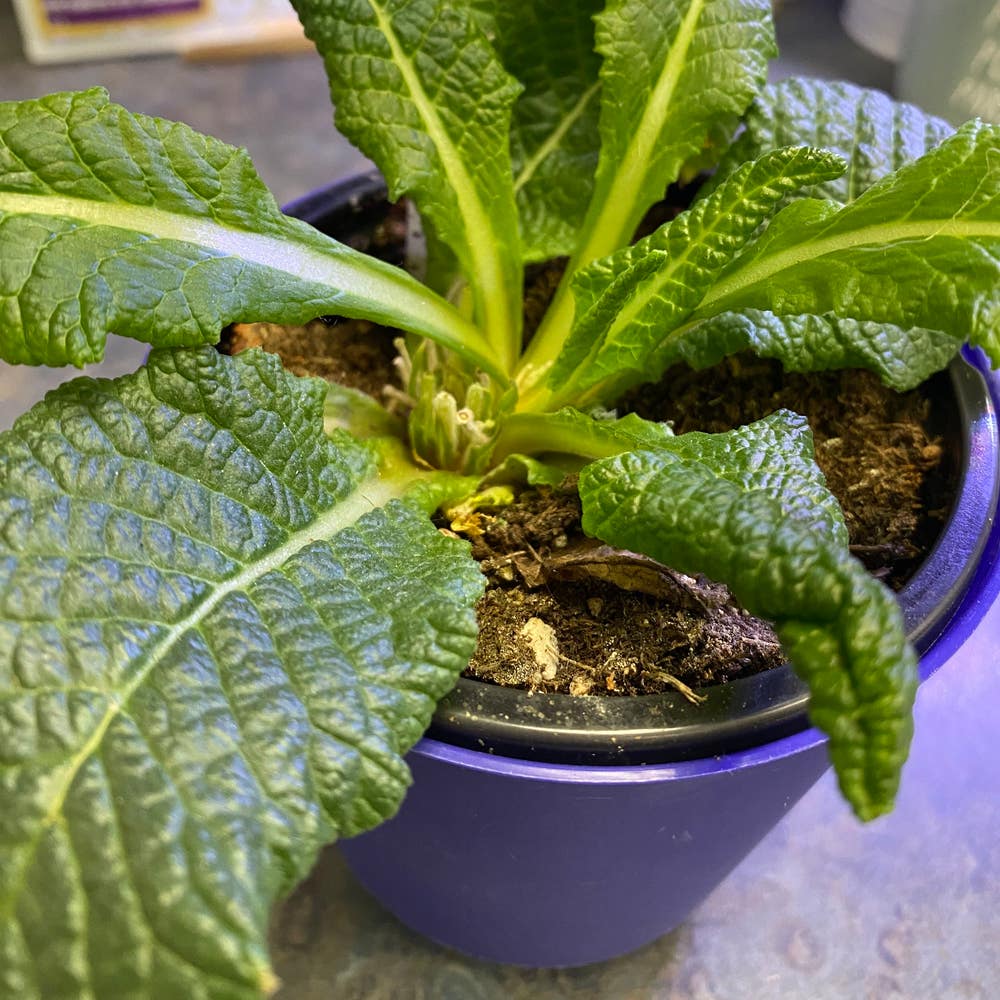
🌸 6 Essential Outdoor Primula obconica Care Routines
Primula obconica
By the Greg Editorial Team
Jan 07, 2025•6 min read
This article was created with the help of AI so we can cover more plants for you. May contain errors. See one? Report it here.
Unlock a vibrant garden with thriving Primula obconica blooms by mastering essential care techniques! 🌸🌱
- 🌞 Primula obconica needs 4-6 hours of sunlight for optimal growth and blooming.
- 💧 Maintain consistent soil moisture; avoid both waterlogging and complete dryness.
- 🌱 Fertilize every 4-6 weeks with balanced nutrients during the growing season.
General Outdoor Care
🌞 Sunlight Needs
Primula obconica thrives in partial shade to full sun, ideally receiving 4-6 hours of sunlight daily. Insufficient sunlight can lead to stunted growth and fewer blooms, so it's crucial to monitor their light exposure.
In hotter climates, consider using shade cloth to protect your plants from the harsh afternoon sun. This simple adjustment can make a significant difference in their overall health and flowering potential.
💧 Watering Requirements
Maintaining consistent soil moisture is vital for Primula obconica, but avoid waterlogging. Aim to keep the soil moist, checking regularly to ensure it doesn’t dry out completely.
For effective watering, use a soaker hose or drip irrigation to deliver water deep into the soil. Watering early in the morning helps reduce evaporation, ensuring your plants get the hydration they need.
Watch for signs of overwatering, such as yellowing leaves, or underwatering, indicated by wilting. Adjust your watering routine accordingly to keep your plants thriving.
🌱 Soil Preferences and Fertilization
Primula obconica prefers well-draining, rich soil with a slightly acidic to neutral pH, ideally between 6.0 and 7.0. To improve soil quality, incorporate organic matter and ensure proper drainage.
Fertilize your plants every 4-6 weeks during the growing season to promote healthy growth. Both balanced NPK and organic fertilizers work well, providing essential nutrients for vibrant blooms.
With the right care routines in place, your Primula obconica will flourish, bringing color and life to your outdoor space. Next, let’s explore the best planting options for these beautiful flowers.
Planting Options
🌱 Container vs. Ground Planting
When it comes to planting Primula obconica, you have two primary options: containers or ground planting. Each method has its own set of benefits and drawbacks that can influence your gardening experience.
Container Planting
Container planting offers remarkable mobility and a controlled environment for your Primula obconica. You can easily move pots to optimize sunlight exposure or protect them from harsh weather.
However, containers can limit root space, which may stunt growth. Additionally, they are more sensitive to temperature fluctuations, requiring extra attention during extreme weather.
Ground Planting
On the other hand, ground planting allows your Primula obconica to thrive in natural growth conditions. The soil is typically richer and more stable, promoting healthier root development.
Yet, this method comes with challenges, such as less control over soil quality and increased vulnerability to pests. You might find yourself battling weeds or dealing with soil that doesn’t drain well.
Choosing the Right Method
Ultimately, the choice between container and ground planting depends on several factors. Assess your available space, local climate, and personal preferences to determine which method suits you best.
Consider how much time you can dedicate to care and whether you prefer the flexibility of moving plants around. Each option can lead to a flourishing garden, so choose what feels right for you!
With this understanding, you can confidently decide how to plant your Primula obconica, setting the stage for successful growth.
Protection from Environmental Factors
🌩️ Weather Protection Strategies
Protecting your Primula obconica from extreme weather is crucial for its health. For frost protection, consider using frost cloths and applying a layer of mulch around the base of the plants.
In hotter climates, providing afternoon shade can help prevent heat stress. Regular watering during these peak temperatures ensures the soil remains moist, supporting your plants through the heat.
🐛 Managing Outdoor Pests and Diseases
Outdoor pests can pose a significant threat to your Primula obconica. Common culprits include aphids, slugs, and snails, which can damage leaves and hinder growth.
To manage these pests, introduce natural predators like ladybugs or use physical barriers such as copper tape. Keeping an eye out for common diseases like powdery mildew and root rot is also essential.
Prevention is key. Ensure good air circulation around your plants and consider using disease-resistant cultivars to minimize risks. This proactive approach will help maintain a vibrant and healthy garden.
With these strategies in place, your Primula obconica will thrive, ready to face the changing seasons. Next, let’s explore how to adjust your care routines throughout the year for optimal growth.
Seasonal Care
Adjusting Care Routines 🌱
Understanding the seasonal growth patterns of Primula obconica is crucial for their health. These plants thrive during active growth periods in spring and fall, requiring tailored care to flourish.
Spring Care 🌸
As spring arrives, it's time to give your Primula obconica some attention. Start with pruning to remove any dead or damaged leaves, promoting new growth. Follow this up with fertilization to provide essential nutrients, ensuring your plants are ready to bloom beautifully.
Summer Care ☀️
Summer brings heat, and your plants will need extra care. Increase watering frequency to keep the soil consistently moist, and consider providing afternoon shade to protect them from the harsh sun.
Fall Preparation 🍂
As fall approaches, it's important to adjust your watering routine. Begin reducing the amount of water to prepare your Primula obconica for winter dormancy. Additionally, consider implementing winter protection strategies to safeguard your plants from cold temperatures.
By adapting your care routines throughout the seasons, you can ensure your Primula obconica remains vibrant and healthy year-round. Next, let’s explore how to adapt care based on climate zones for optimal growth.
Climate Zone Considerations
🌍 Adapting Care to Climate Zones
Primula obconica thrives best in USDA zones 7-10, where the climate is mild enough to support its growth. Understanding your specific zone helps tailor care routines to ensure your plants flourish.
In warmer climates, be mindful of heat stress and adjust your watering schedule accordingly. Conversely, in cooler areas, frost protection becomes essential during winter months.
⚠️ Special Considerations
Local weather patterns can significantly impact your Primula obconica care. For instance, if you experience unexpected cold snaps, having frost cloths ready can save your plants from damage.
Seasonal adjustments are crucial too. In spring, focus on promoting growth with proper fertilization, while in summer, prioritize shade and hydration to combat the heat.
By adapting your care routines based on these factors, you can create a thriving environment for your Primula obconica. This proactive approach not only enhances plant health but also enriches your gardening experience.
Next, let's explore how to adjust your care routines throughout the seasons for optimal growth.
⚠️ Safety First
This content is for general information and may contain errors, omissions, or outdated details. It is not medical, veterinary advice, or an endorsement of therapeutic claims.
Always consult a qualified healthcare professional before using any plant as food, medicine, or supplement.
Never eat any plant (or feed one to pets) without confirming its identity with at least two trusted sources.
If you suspect poisoning, call Poison Control (800) 222-1222, the Pet Poison Helpline (800) 213-6680, or your local emergency service immediately.
Spotted an error? Please report it here.
Transform your garden into a blooming paradise 🌼 with Greg's personalized care tips and watering reminders, ensuring your Primula obconica thrive beautifully all season long!