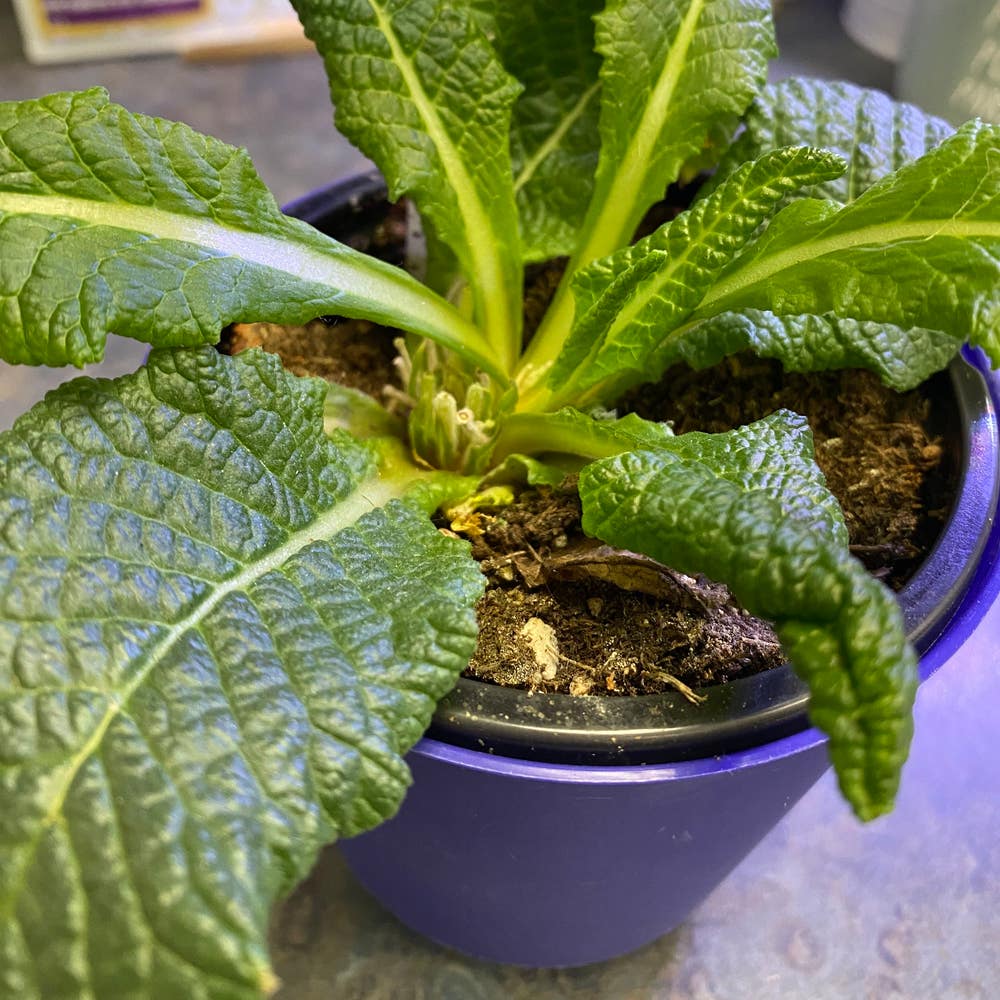
Why the Leaves on Your Primula obconica Are Turning Yellow
Primula obconica
By the Greg Editorial Team
Jan 07, 2025•6 min read
This article was created with the help of AI so we can cover more plants for you. May contain errors. See one? Report it here.
Transform your Primula obconica's yellowing leaves 🌱 into vibrant foliage with these crucial care tips!
- 🌱 Yellow leaves on Primula obconica indicate overwatering, underwatering, or nutrient deficiencies.
- 💧 Proper watering and drainage are crucial to prevent wilting and root rot.
- 🐛 Regularly inspect for pests like aphids and spider mites to maintain plant health.
Causes of Yellowing Leaves
💧 Overwatering
Overwatering is a common issue that can lead to yellowing leaves on your Primula obconica. Symptoms include wilting leaves despite wet soil and the potential development of root rot.
Proper soil drainage is crucial to prevent overwatering. A well-draining potting mix is essential, and signs of poor drainage include water pooling at the surface or a consistently soggy soil texture.
💦 Underwatering
On the flip side, underwatering can also cause yellowing leaves. You may notice crispy, dry leaf edges and soil pulling away from the pot's edges.
To combat underwatering, allow the top inch of soil to dry out before watering again. This practice helps maintain a healthy moisture balance for your plant.
🥦 Nutrient Deficiencies
Nutrient deficiencies can lead to yellowing leaves as well.
🌱 Nitrogen Deficiency
A nitrogen deficiency typically manifests as general yellowing of leaves and stunted growth. This nutrient is vital for healthy foliage.
🟡 Iron Deficiency
Iron deficiency presents differently, with yellowing occurring between the leaf veins. Common causes include poor soil quality or pH imbalances that hinder iron absorption.
🐛 Pest Infestations
Pest infestations can wreak havoc on your Primula obconica, leading to yellowing leaves.
🦠 Aphids
Aphids are small pests that leave a sticky residue on leaves and can cause curling. Their presence can indicate a larger problem that needs addressing.
🕷️ Spider Mites
Spider mites are another concern, identifiable by fine webbing and stippled leaves. These tiny pests can quickly damage your plant if left unchecked.
🍄 Fungal Diseases
Fungal diseases are serious threats that can cause yellowing leaves and other symptoms.
🌿 Root Rot
Root rot is characterized by yellowing leaves and mushy roots. This condition often results from overwatering and poor drainage.
❄️ Powdery Mildew
Powdery mildew appears as white powdery spots on leaves, often accompanied by yellowing. This fungal infection thrives in humid conditions and requires prompt treatment.
Understanding these causes is the first step in addressing yellowing leaves on your Primula obconica. Next, we'll explore how to diagnose these issues effectively.
Diagnosing Yellow Leaves
🌊 Visual Signs of Overwatering
When your Primula obconica's leaves start to turn yellow, one of the first things to check is the texture. If the leaves feel soft and mushy, it's a clear indicator of overwatering.
Additionally, examine the soil condition. If it’s constantly wet or soggy, your plant is likely suffering from excess moisture, which can lead to root rot.
💧 Identifying Underwatering Symptoms
On the flip side, underwatering can also cause yellowing leaves. If the leaves are dry and crispy, this is a telltale sign that your plant needs more water.
Check the soil as well; if it’s dry and compacted, it’s time to adjust your watering routine to revive your Primula.
🐛 Recognizing Pest Damage
Pests can wreak havoc on your plant, leading to yellow leaves as well. Conduct a visual inspection, especially on the undersides of the leaves, to look for any unwanted visitors.
If you spot pests, it’s crucial to act quickly to prevent further damage.
🍄 Spotting Fungal Infections
Fungal infections can also be a culprit behind yellowing leaves. Look for visual signs like white powdery spots or black mold on the leaves.
These indicators suggest that your Primula may need immediate treatment to restore its health.
By diagnosing these issues early, you can take the necessary steps to bring your plant back to life. Next, let’s explore some effective solutions for yellow leaves.
Solutions for Yellow Leaves
🌊 Adjusting Watering Practices
To revive your Primula obconica, start by checking the soil moisture. Use your finger to test the top inch of soil; if it feels dry, it's time to water.
Next, establish a consistent watering schedule. Aim to water when the top inch is dry, ensuring your plant receives just the right amount of moisture.
Finally, ensure proper drainage. Always use pots with drainage holes to prevent water from pooling at the bottom, which can lead to root rot.
🌱 Fertilizing for Nutrient Deficiencies
If your plant is suffering from nutrient deficiencies, consider fertilizing with a balanced NPK fertilizer or chelated iron. These will help replenish essential nutrients.
Apply the fertilizer every 4-6 weeks during the growing season for optimal results. This routine will support healthy growth and vibrant foliage.
🐛 Pest Control Methods
🧼 Insecticidal Soap
For pest infestations, insecticidal soap is an effective solution. Spray it directly on the affected areas of your plant to eliminate pests.
Repeat this treatment every 7-10 days until you see a noticeable reduction in pest activity. Consistency is key to regaining control.
🌿 Neem Oil
Another powerful option is neem oil. Dilute it according to the instructions and spray it on the leaves of your Primula obconica.
Use neem oil every 2-3 weeks as a preventative measure. This will help keep pests at bay while promoting a healthy plant environment.
🍄 Treating Fungal Diseases
🧴 Fungicides
If fungal diseases are the culprit behind yellowing leaves, fungicides can be your best ally. Choose broad-spectrum fungicides for root rot and specific ones for powdery mildew.
Always follow the label instructions for application timing and frequency. Proper treatment will help restore your plant's health and vitality.
By implementing these solutions, you can effectively address the yellowing leaves on your Primula obconica and promote a thriving, vibrant plant. Next, let’s explore preventative measures to keep your plant healthy in the long run.
Preventative Measures
Best Practices for Watering 🌊
Watering your Primula obconica properly is crucial for its health. Always water thoroughly, ensuring excess water can drain away to prevent root rot.
Regularly check the soil moisture levels. Stick your finger into the top inch of soil; if it feels dry, it’s time to water.
Soil Selection and Drainage Tips 🪴
Choosing the right soil mix can make all the difference. A blend of potting soil and perlite ensures good aeration and drainage.
Additionally, select pots with adequate drainage holes. This helps prevent water from accumulating at the bottom, which can lead to yellowing leaves.
Regular Inspection for Pests and Diseases 🔍
Keeping an eye on your plants is essential for early detection of issues. Inspect your Primula obconica weekly for any signs of pests or diseases.
If you spot any problems, take action immediately. Quick treatment can prevent the spread and keep your plant thriving.
By following these preventative measures, you can help maintain the vibrant health of your Primula obconica and enjoy its beautiful blooms for longer.
⚠️ Safety First
This content is for general information and may contain errors, omissions, or outdated details. It is not medical, veterinary advice, or an endorsement of therapeutic claims.
Always consult a qualified healthcare professional before using any plant as food, medicine, or supplement.
Never eat any plant (or feed one to pets) without confirming its identity with at least two trusted sources.
If you suspect poisoning, call Poison Control (800) 222-1222, the Pet Poison Helpline (800) 213-6680, or your local emergency service immediately.
Spotted an error? Please report it here.
Revive your Primula obconica and banish yellow leaves 🌼 by using Greg's tailored watering alerts and expert care tips to ensure your plant thrives!