Ultimate Guide to What's Eating Your Primula obconica 🐞
Primula obconica
By the Greg Editorial Team
Jan 07, 2025•6 min read
This article was created with the help of AI so we can cover more plants for you. May contain errors. See one? Report it here.
Safeguard your Primula obconica from pesky herbivores with these essential tips for a thriving garden! 🌿
- 🌼 Primula obconica attracts herbivores like deer, rabbits, and squirrels, threatening its health.
- 🚫 Deter pests with fencing, repellents, and companion planting to protect your plants.
- 🐦 Monitor for damage regularly to ensure early intervention and maintain plant vitality.
Description and Appeal
Appearance 🌸
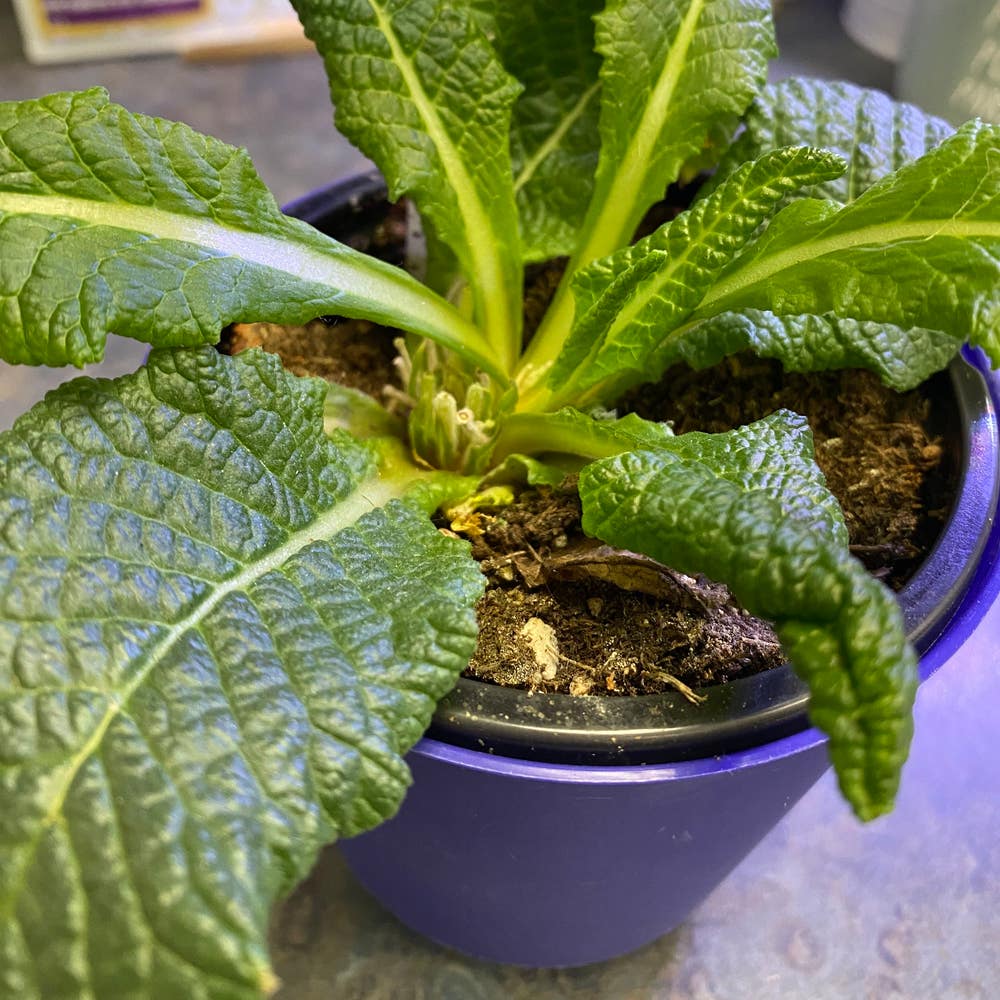
Primula obconica captivates with its vibrant flowers, showcasing a delightful palette of pink, purple, and white. The foliage is equally appealing, featuring rounded leaves that are soft to the touch, creating a lush backdrop for its blooms.
This compact plant typically grows between 6 to 12 inches tall, forming charming clumps that add a touch of elegance to any garden. Its growth habit makes it an ideal choice for borders or containers, where it can truly shine.
Most Appealing Parts to Animals 🐾
The flowers of Primula obconica are particularly enticing to herbivores, thanks to their tender petals that are rich in moisture. Additionally, the young shoots are soft and succulent, making them irresistible snacks for various garden visitors.
Understanding these appealing traits can help gardeners protect their plants from potential threats. By recognizing what attracts animals, you can take proactive steps to safeguard your beloved Primula obconica.
Common Herbivores Affecting Primula obconica
🦌 Deer
Signs of Presence
Deer can be a significant threat to your Primula obconica. Look for distinctive hoof prints in the soil and irregularly chewed leaves and flowers as telltale signs of their browsing.
Type of Damage Caused
These herbivores can cause severe damage by stripping leaves and consuming flowers. This not only affects the plant's appearance but can also stunt growth and reduce flowering.
Beneficial vs. Harmful Interaction
Interactions with deer are generally harmful. They can decimate populations in garden settings, leaving your plants vulnerable.
Deterrent Methods (difficulty: moderate)
To protect your plants, consider installing 8-foot tall fencing to keep deer at bay. Additionally, using commercial deer repellents or homemade solutions like garlic spray can be effective deterrents.
🐇 Rabbits
Signs of Presence
Rabbits leave clear signs of their presence. Look for clean cuts on stems and leaves, along with small, round droppings near the plant.
Type of Damage Caused
These critters often target young shoots, completely removing tender growth. This not only impacts aesthetics but can also reduce the plant's vigor.
Beneficial vs. Harmful Interaction
Rabbits are generally harmful to Primula obconica. Their feeding habits can lead to significant plant loss.
Deterrent Methods (difficulty: easy)
To deter rabbits, cover your plants with mesh netting. Companion planting with species that repel rabbits, like marigolds, can also help.
🐿️ Squirrels
Signs of Presence
Squirrels can be spotted by disturbed soil around the base of your plants and gnaw marks on stems and leaves.
Type of Damage Caused
These agile animals often remove blooms and young shoots, weakening the plant's structure in the process.
Beneficial vs. Harmful Interaction
Interactions with squirrels are generally harmful. Their activities can disrupt both plant growth and flowering.
Deterrent Methods (difficulty: moderate)
Consider using noise makers or reflective objects as scare tactics. Installing physical barriers around your plants can also provide effective protection.
🐦 Birds
Signs of Presence
Birds can be identified by pecking holes in leaves and flowers, as well as nests nearby indicating their activity.
Type of Damage Caused
They can damage flowers by removing petals and seeds, which disrupts natural pollination processes.
Beneficial vs. Harmful Interaction
Bird interactions are mixed. While some birds serve as beneficial pollinators, others can cause significant damage.
Deterrent Methods (difficulty: easy)
Using fake predators as decoys can scare birds away. Hanging shiny materials can also deter them effectively.
🐭 Rodents (mice, voles)
Signs of Presence
Rodents leave small burrows or pathways near your plants, along with small, dark pellets around the base.
Type of Damage Caused
These pests gnaw on roots, leading to plant stress and overall health decline.
Beneficial vs. Harmful Interaction
Rodent interactions are generally harmful. They can cause significant decline in plant health.
Deterrent Methods (difficulty: hard)
Setting traps can help catch rodents. Encouraging natural predators like owls or hawks in the area can also be beneficial.
🦡 Groundhogs/Woodchucks
Signs of Presence
Groundhogs leave large burrows near your plants, along with distinctive bite marks on stems and leaves.
Type of Damage Caused
They can cause extensive damage by completely removing foliage and flowers, leading to significant plant loss.
Beneficial vs. Harmful Interaction
Interactions with groundhogs are generally harmful. They pose a significant threat to garden health.
Deterrent Methods (difficulty: moderate)
Installing buried fencing can prevent burrowing. Additionally, using commercial or homemade repellents, such as castor oil, can help keep them away.
In summary, understanding the common herbivores that affect Primula obconica is crucial for maintaining healthy plants. By recognizing signs of presence and implementing effective deterrent methods, you can protect your garden from these unwelcome visitors. Next, let’s explore the beneficial animals that can enhance your garden ecosystem.
Beneficial Animals and Ecosystem Impact
🐝 Pollinators Attracted
Primula obconica thrives with the help of various pollinators, including bees, butterflies, and other beneficial insects. These creatures play a crucial role in enhancing flowering and seed production, ensuring your plants remain vibrant and healthy.
🦗 Role of Beneficial Insects in Pest Control
Beneficial insects like ladybugs and lacewings act as natural predators, keeping aphid populations in check. This pest control is vital for maintaining a balanced and healthy garden ecosystem.
🌿 Importance of Maintaining a Balanced Ecosystem
Understanding the interactions between harmful and beneficial animals is essential for garden success. By recognizing these roles, you can develop strategies for coexistence that protect your plants while promoting ecological health.
Incorporating beneficial animals into your gardening practices not only enhances the beauty of your Primula obconica but also fosters a thriving environment. Embrace the balance of nature to enjoy a flourishing garden!
General Strategies for Protecting Primula obconica
🛡️ Preventive Measures
Plant Placement
Choosing the right location for your Primula obconica can significantly reduce herbivore encounters. Opt for spots that are less frequented by common pests, such as areas away from dense vegetation or known animal pathways.
Companion Planting
Utilizing companion plants is a smart strategy to deter pests while attracting beneficial insects. Consider planting marigolds or other aromatic herbs alongside your Primula to create a natural barrier against herbivores.
⚠️ Reactive Solutions
Monitoring
Regularly checking your plants for signs of animal damage is crucial. Look for chewed leaves, disturbed soil, or droppings to catch any issues early.
Immediate Action
Once you notice damage, act quickly to implement deterrent methods. Whether it’s setting up barriers or applying repellents, prompt action can save your plants from further harm.
🌱 Seasonal Considerations for Animal Attraction
Understanding Seasonal Behavior
Recognizing when certain animals are more active can help you prepare. For instance, many herbivores are more prevalent in spring when food is abundant.
Timing of Planting
Adjust your planting schedule to avoid peak herbivore activity. Planting earlier or later in the season can help your Primula establish before pests become a problem.
By employing these strategies, you can create a thriving environment for your Primula obconica while minimizing the impact of herbivores. Next, let’s explore the beneficial animals that can enhance your garden ecosystem.
⚠️ Safety First
This content is for general information and may contain errors, omissions, or outdated details. It is not medical, veterinary advice, or an endorsement of therapeutic claims.
Always consult a qualified healthcare professional before using any plant as food, medicine, or supplement.
Never eat any plant (or feed one to pets) without confirming its identity with at least two trusted sources.
If you suspect poisoning, call Poison Control (800) 222-1222, the Pet Poison Helpline (800) 213-6680, or your local emergency service immediately.
Spotted an error? Please report it here.
Keep your Primula obconica thriving 🌼 by using Greg's tailored care tips to fend off pesky herbivores and ensure your garden flourishes!