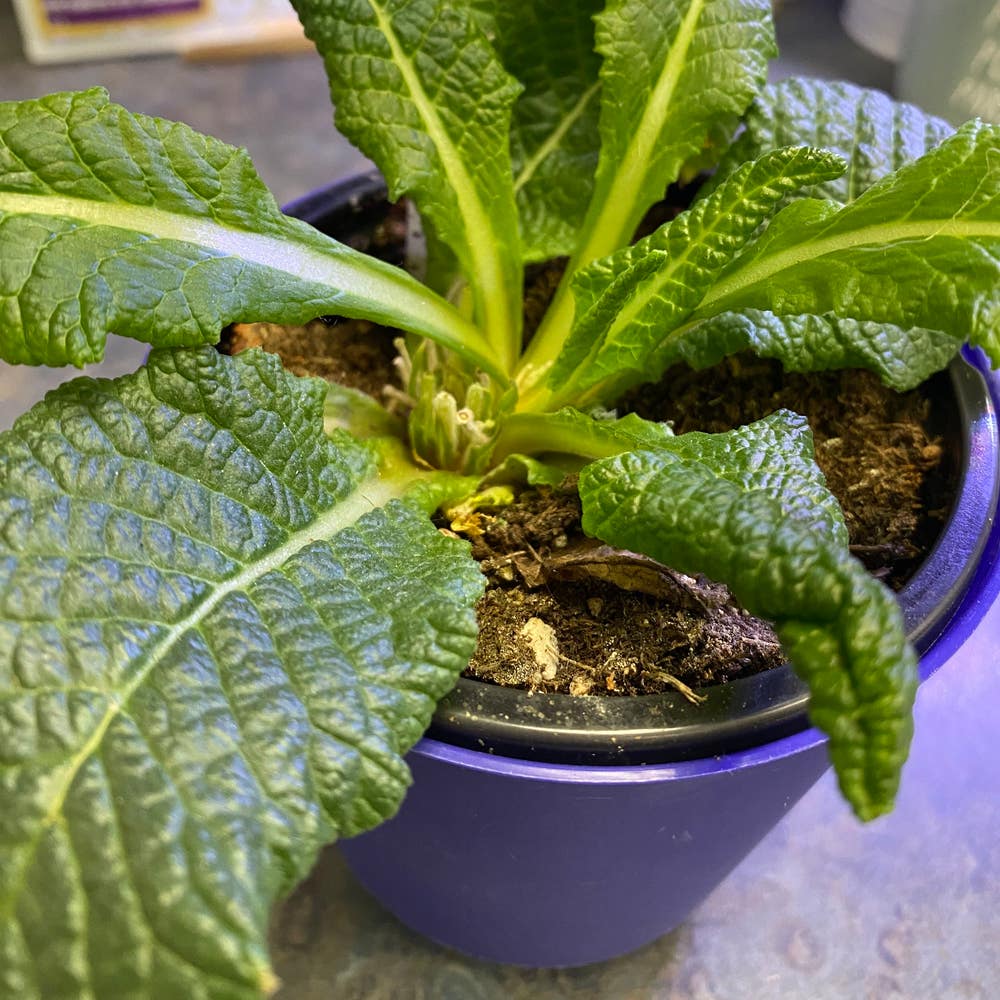
Best Fertilizer for Primula obconica 🌸
Primula obconica
By the Greg Editorial Team
Jan 07, 2025•5 min read
This article was created with the help of AI so we can cover more plants for you. May contain errors. See one? Report it here.
Nurture stunning Primula obconica blooms 🌸 by mastering essential nutrients and effective fertilization techniques!
- 🌱 Primula obconica thrives on balanced nutrients: nitrogen, phosphorus, and potassium are essential.
- 🥇 Organic fertilizers like fish emulsion offer slow-release nutrients for healthy growth.
- ⚠️ Avoid over-fertilization to prevent leaf burn and stunted growth; monitor your plant's health.
Nutrient Requirements
Essential Nutrients 🌱
Primula obconica thrives on a balanced diet of essential nutrients. Understanding these nutrients is key to nurturing vibrant, healthy plants.
Nitrogen (N)
Nitrogen is vital for promoting leafy growth and overall vigor. It helps your Primula obconica develop lush, green foliage, making it look robust and lively.
Phosphorus (P)
Phosphorus plays a crucial role in root development and flowering. This nutrient ensures that your plants establish strong roots and produce beautiful blooms.
Potassium (K)
Potassium aids in water regulation and enhances disease resistance. With adequate potassium, your Primula obconica can better withstand stress and maintain its health.
By ensuring your Primula obconica receives these essential nutrients, you set the stage for a flourishing garden. Next, let’s explore the types of fertilizers that can provide these nutrients effectively.
Types of Fertilizers
🌱 Organic vs. Synthetic
When it comes to fertilizing your Primula obconica, understanding the difference between organic and synthetic fertilizers is crucial.
Organic fertilizers are derived from natural sources and offer the benefit of slow-release nutrients, which means they feed your plants gradually. This not only promotes healthier growth but also improves soil health over time, fostering a thriving ecosystem for your plants.
On the other hand, synthetic fertilizers provide quick nutrient availability, which can be a double-edged sword. While they deliver immediate results, they may lead to nutrient imbalances and can harm beneficial soil organisms if used excessively.
🛒 Recommended Products
Choosing the right fertilizer can make all the difference in your Primula obconica's growth.
For organic options, consider using:
- Fish emulsion: A nutrient-rich liquid that boosts growth.
- Compost tea: Packed with beneficial microbes and nutrients.
- Balanced organic blends: These provide a well-rounded nutrient profile.
If you prefer synthetic fertilizers, here are a couple of reliable choices:
- 10-10-10 NPK: A balanced option that supports overall plant health.
- 20-20-20 liquid fertilizers: Great for a quick nutrient boost during the growing season.
Selecting the right fertilizer type and product can set your Primula obconica on the path to vibrant growth and stunning blooms.
Next, let’s explore how to apply these fertilizers effectively for the best results.
How to Apply Fertilizer
Best Methods for Application 🌱
When it comes to applying fertilizer to your Primula obconica, two main methods stand out: top-dressing and liquid fertilization.
Top-dressing involves spreading granular fertilizers evenly on the soil surface. This method allows nutrients to gradually seep into the soil as you water your plants.
Liquid fertilization is another effective approach. By mixing the fertilizer with water, you can directly apply it to the soil, ensuring that nutrients are quickly available to the roots.
Timing and Frequency ⏰
Timing your fertilization is crucial for optimal growth. Start with initial fertilization at planting or during early spring when your Primula is waking up from dormancy.
For ongoing care, aim to fertilize every 4-6 weeks throughout the growing season.
Keep in mind that indoor and outdoor plants may require different schedules. Indoor plants often need less frequent feeding due to lower light levels, while outdoor plants may thrive on a more regular regimen.
By following these guidelines, you can ensure your Primula obconica receives the nutrients it needs to flourish. Next, let’s explore the signs of over-fertilization to watch for as you care for your plants.
Signs of Over-Fertilization
Symptoms to Watch For 🌱
Over-fertilization can be detrimental to your Primula obconica. Watch for these key symptoms:
- Leaf burn: This manifests as browning tips and edges of leaves, signaling nutrient overload.
- Stunted growth: If your plant shows little to no new growth despite regular fertilization, it may be a sign of excess nutrients.
- Reduced flowering: Fewer blooms or smaller flowers indicate that your plant is struggling, possibly due to over-fertilization.
Remedies 🛠️
If you suspect your Primula obconica has been over-fertilized, take immediate action.
Immediate actions: Flush the soil with plenty of water to dilute the excess nutrients. This can help restore balance and alleviate stress on the plant.
Long-term solutions: Adjust your fertilization practices by following recommended guidelines. Incorporate soil amendments to improve overall soil health and nutrient absorption.
By being attentive to these signs and remedies, you can ensure your Primula obconica thrives beautifully. Next, let’s explore common fertilizer mistakes to avoid for optimal plant health.
Common Fertilizer Mistakes
🌱 Over-fertilizing
Over-fertilizing is a common pitfall for many gardeners. Excessive nutrient application can lead to leaf burn, stunted growth, and even plant death.
Following recommended guidelines is crucial. Stick to the suggested amounts to ensure your Primula obconica thrives without the risk of nutrient overload.
🏺 Ignoring Soil Quality
Neglecting soil quality can severely impact your plants' health. Soil amendments and organic matter play a vital role in nutrient absorption and overall plant vigor.
Healthy soil is the foundation for successful gardening. Regularly assess and improve your soil to create an optimal environment for your Primula obconica.
⏰ Inconsistent Schedule
An inconsistent fertilization schedule can hinder your plants' growth. Irregular feeding practices may lead to nutrient deficiencies or excesses, both of which can stress your plants.
Establishing a consistent fertilizer schedule is essential for optimal growth. Aim to fertilize every 4-6 weeks during the growing season to keep your Primula obconica flourishing.
By avoiding these common fertilizer mistakes, you can ensure your plants receive the care they need to thrive. Next, let’s explore how to apply fertilizer effectively for the best results.
⚠️ Safety First
This content is for general information and may contain errors, omissions, or outdated details. It is not medical, veterinary advice, or an endorsement of therapeutic claims.
Always consult a qualified healthcare professional before using any plant as food, medicine, or supplement.
Never eat any plant (or feed one to pets) without confirming its identity with at least two trusted sources.
If you suspect poisoning, call Poison Control (800) 222-1222, the Pet Poison Helpline (800) 213-6680, or your local emergency service immediately.
Spotted an error? Please report it here.
Feed your Primula obconica for stunning blooms 🌼 by using Greg's tailored fertilization reminders to keep your plants thriving and avoid common mistakes!