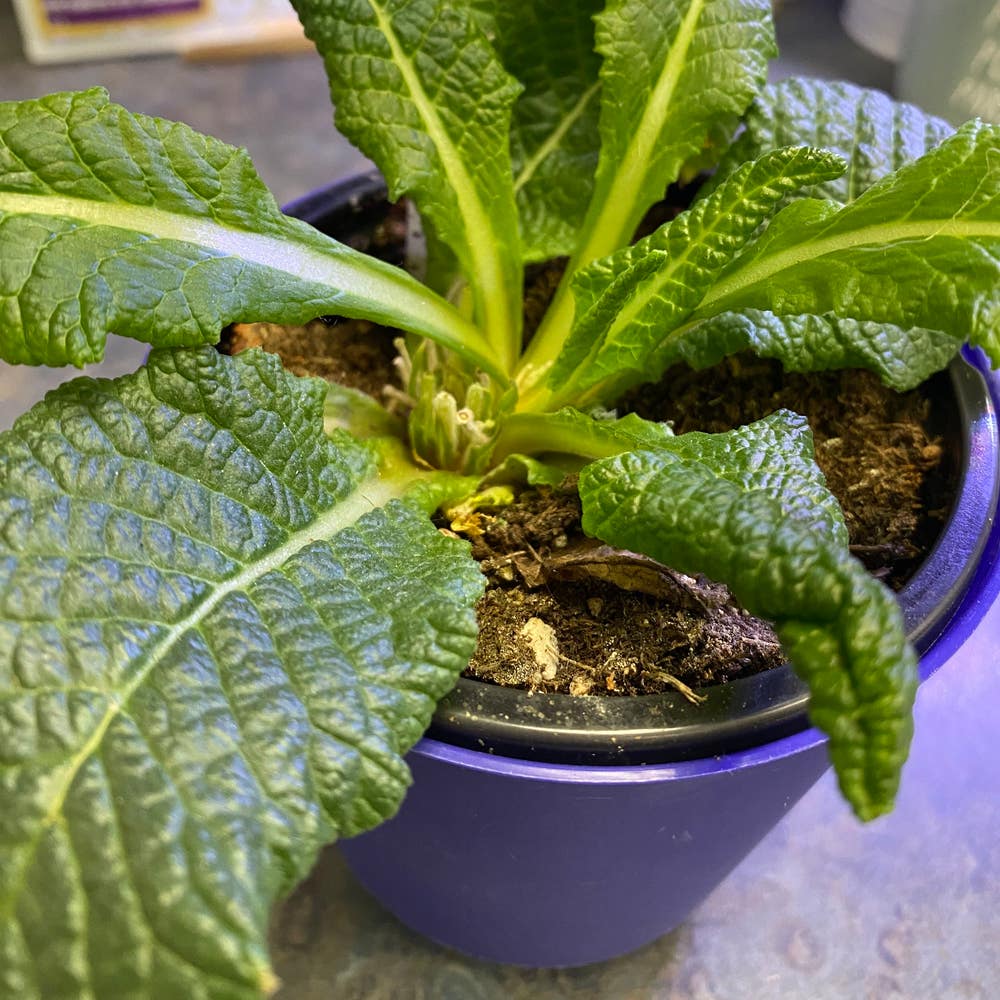
Ultimate Guide to Managing Bugs on Primula obconica 🐞
Primula obconica
By the Greg Editorial Team
Jan 07, 2025•6 min read
This article was created with the help of AI so we can cover more plants for you. May contain errors. See one? Report it here.
Safeguard your Primula obconica from pesky invaders with these vital pest control tips! 🌱🛡️
- 🐛 Primula obconica faces pests like spider mites, aphids, and mealybugs; know your enemies!
- 🔍 Regular inspections are crucial for early pest detection and effective management.
- 🌱 Integrated Pest Management (IPM) combines methods for healthier plants and reduced pest issues.
Common Pests
🕷️ Spider Mites
Identification
Spider mites are tiny, spider-like creatures that often hide on the undersides of leaves. Look for fine webbing and signs of stippling or yellowing leaves as indicators of their presence.
Damage Caused
These pests feed on plant sap, which weakens the plant and reduces its vigor. Additionally, they can cause sticky leaves due to the excretion of honeydew.
Treatment Options
For chemical control, use miticides specifically designed to target spider mites. If you prefer organic methods, neem oil or insecticidal soap can be effective, and increasing humidity around the plant can help deter them.
🐞 Scale Insects
Identification
Scale insects are small, oval-shaped pests that often appear as bumps on stems and leaves. Their protective shells make them difficult to spot, so regular inspection is key.
Damage Caused
By sucking sap from the plant, scale insects can lead to yellowing leaves and stunted growth. They also produce honeydew, which can attract other pests.
Treatment Options
Chemical treatments include systemic insecticides that penetrate the plant. For an organic approach, use rubbing alcohol on a cotton swab to remove scales or apply insecticidal soap.
🦟 Fungus Gnats / Fruit Flies
Identification
Fungus gnats are small, dark flies frequently seen flying around the soil surface. Their larvae are tiny, white, and live in the soil, feeding on organic matter.
Damage Caused
The larvae feed on roots, which can lead to root rot and poor plant health. While adult flies can be a nuisance, they do not harm the plant directly.
Treatment Options
Chemical options include insecticides targeting adult flies. For organic control, allow the soil to dry out between waterings and use yellow sticky traps to catch adults.
🐛 Mealybugs
Identification
Mealybugs appear as white, cottony masses found in leaf axils and on stems. They can easily be mistaken for mold or cotton fluff, so careful inspection is necessary.
Damage Caused
These pests suck sap from the plant, leading to yellowing leaves and overall decline. Their honeydew production can also result in sooty mold.
Treatment Options
Chemical treatments involve systemic insecticides or targeted sprays. For organic solutions, use neem oil or a mixture of water and dish soap, and consider manual removal with a cotton swab.
🐜 Aphids
Identification
Aphids are small, soft-bodied insects that can be green, black, or brown. They are often found in clusters on new growth and flower buds, making them relatively easy to spot.
Damage Caused
Feeding on sap can cause curling leaves and stunted growth. Additionally, aphids can transmit plant viruses, posing a significant threat to your plants.
Treatment Options
For chemical control, use insecticides specifically formulated for aphids. Organic methods include introducing beneficial insects like ladybugs or using insecticidal soap.
🦋 Whiteflies
Identification
Whiteflies are tiny, white, moth-like insects that fly up when the plant is disturbed. They lay eggs on the undersides of leaves, making them tricky to spot until they hatch.
Damage Caused
These pests suck sap, leading to yellowing leaves and reduced growth. Their honeydew can also attract sooty mold, further harming the plant.
Treatment Options
Chemical treatments include insecticides specifically targeting whiteflies. For organic control, yellow sticky traps and insecticidal soap can be effective.
🐞 Weevils
Identification
Weevils are small beetles with elongated snouts, and their larvae are white and C-shaped. They can often be found in the soil or on the plant itself.
Damage Caused
Adult weevils chew on leaves, while larvae feed on roots, leading to wilting and overall plant decline. Their presence can significantly impact plant health.
Treatment Options
For chemical control, use insecticides targeting adult weevils. Organic methods include handpicking adults and introducing beneficial nematodes to control larvae.
Understanding these common pests and their management options is crucial for maintaining the health of your Primula obconica. By staying vigilant and employing effective treatments, you can keep your plants thriving and pest-free.
Pest Resistance
Natural Resistance Characteristics 🌿
Primula obconica is not just a pretty face; it boasts some natural resistance to pests thanks to its robust foliage and vigorous growth habits. This resilience helps it fend off certain pests, but don’t let your guard down—common houseplant nuisances like aphids and spider mites can still pose a threat.
Vulnerabilities to Common Pests 🐛
Despite its strengths, Primula obconica isn't invincible. Regular monitoring and proactive care are essential to keep these pesky invaders at bay. By understanding its vulnerabilities, you can better prepare your plant for a healthy, thriving life.
In the next section, we’ll explore effective prevention strategies to help safeguard your Primula obconica from unwanted pests.
Prevention
🛡️ Preventative Measures
Keeping your Primula obconica healthy starts with regular inspections. Look for early signs of pests, as catching them early can save you a lot of trouble down the line.
Optimal watering practices are crucial too. Overwatering can lead to root rot, making your plants more susceptible to pests.
🧼 Plant Hygiene Tips
Cleanliness is key in pest prevention. Regularly wipe down leaves to remove dust and potential pests, ensuring your plant can breathe and photosynthesize effectively.
Don't forget to rotate your plants! This simple act ensures even light exposure and helps reduce pest habitats, keeping your Primula thriving and pest-free.
General Pest Management
🌱 Integrated Pest Management (IPM) Principles
Integrated Pest Management (IPM) is a holistic approach to pest control that combines cultural, biological, and chemical practices. By focusing on maintaining plant health, you can significantly reduce your Primula obconica's susceptibility to pests.
Cultural practices include proper watering and fertilization techniques that promote robust growth. Biological methods might involve introducing beneficial insects that prey on pests, while chemical treatments should be used judiciously to minimize harm to the environment.
🔍 Importance of Early Detection
Regular monitoring of your plants is crucial for early detection of pest issues. Catching problems early allows for more effective and less invasive treatments, saving your plants from severe damage.
Make it a habit to inspect your Primula obconica frequently. Look for any unusual signs, such as discoloration or webbing, which can indicate pest presence. Early action can make all the difference in keeping your plants healthy and thriving.
With a proactive approach, you can enjoy the beauty of your plants while keeping pests at bay. Now, let’s explore how to distinguish between similar pests to ensure you’re addressing the right issues effectively.
Distinguishing Between Similar Pests
🕵️ Identification Tips
Identifying pests accurately is crucial for effective management. Use magnification tools to closely examine the pests on your Primula obconica.
🧬 Physical Characteristics
Pay attention to physical characteristics such as color, size, and feeding habits. For instance, aphids can be green, black, or brown, while mealybugs are easily recognized by their white, cottony appearance.
👀 Behavior Observation
Observe their behavior as well. Some pests, like spider mites, create fine webbing, while others, such as whiteflies, will fly up when disturbed.
🔍 Comparison Techniques
When in doubt, compare the pests side by side. This can help you spot subtle differences that are key to identifying the specific pest affecting your plant.
📊 Importance of Accurate Identification
Accurate identification not only helps in choosing the right treatment but also prevents unnecessary damage to your plants. Remember, the sooner you identify the pest, the quicker you can act to protect your Primula obconica.
With these tips, you’ll be well-equipped to tackle pest problems effectively. Next, let’s explore the importance of early detection in pest management.
⚠️ Safety First
This content is for general information and may contain errors, omissions, or outdated details. It is not medical, veterinary advice, or an endorsement of therapeutic claims.
Always consult a qualified healthcare professional before using any plant as food, medicine, or supplement.
Never eat any plant (or feed one to pets) without confirming its identity with at least two trusted sources.
If you suspect poisoning, call Poison Control (800) 222-1222, the Pet Poison Helpline (800) 213-6680, or your local emergency service immediately.
Spotted an error? Please report it here.
Keep your Primula obconica thriving and pest-free 🌱 with Greg's personalized care reminders and pest identification tools that empower you to tackle any bug issue head-on!