🌸 How to Get Your Primula obconica to Bloom
Primula obconica
By the Greg Editorial Team
Jan 07, 2025•5 min read
This article was created with the help of AI so we can cover more plants for you. May contain errors. See one? Report it here.
Unlock the secret to vibrant Primula obconica blooms 🌸 and enjoy their beauty season after season!
- 🌸 Primula obconica blooms vibrantly in spring, lasting 2-3 weeks with proper care.
- 💡 Bright, indirect light and cooler temperatures are key to encouraging blooms.
- 🌱 Regular fertilization and humidity support healthy growth and vibrant flower production.
Flowering Status
Clarification on Flowering Status 🌸
Yes, Primula obconica does indeed produce flowers! This charming plant is known for its vibrant blooms that can brighten up any space.
Typically, you can expect Primula obconica to bloom in the spring. This seasonal display is a delightful reminder of nature's beauty as the weather warms up.
Flower Characteristics
Description of Colors and Structure 🌈
Primula obconica is celebrated for its vibrant flowers, showcasing stunning shades of pink, purple, and white. These colors create a delightful display, making it a favorite among gardeners.
The flowers are arranged in charming spikes, with clusters that bloom together, creating a lush, colorful effect. Each flower features a delicate structure, with soft petals that invite admiration and add a touch of elegance to any space.
Culturally, Primula obconica holds significance in various traditions, symbolizing youth and renewal. Its blooms often represent the arrival of spring, making it a popular choice for seasonal celebrations.
Pollination Methods 🐝
When it comes to pollination, Primula obconica is primarily self-pollinating. This means it can produce flowers without the need for external pollinators, ensuring a reliable blooming process.
However, while self-pollination is efficient, cross-pollination can enhance genetic diversity, potentially leading to more robust flower production. Understanding these methods can help gardeners optimize their care for this beautiful plant.
Blooming Process
Blooming Stages 🌸
The blooming process of Primula obconica is a fascinating journey that begins with bud formation. Initially, small buds emerge, gradually swelling and developing color as they prepare to burst into bloom.
As the buds mature, they transition through distinct stages. First, the buds elongate, followed by the opening of petals, which reveals the vibrant colors of pink, purple, or white. This entire process typically spans several weeks, with each stage offering a glimpse of the beauty to come.
Duration from Bud to Bloom ⏳
On average, it takes about 4 to 6 weeks for Primula obconica to go from bud formation to full bloom. This timeline can vary based on environmental conditions and care practices.
Once the flowers open, they usually last for about 2 to 3 weeks. During this time, the blooms showcase their stunning colors, bringing joy and vibrancy to any space.
With a clear understanding of the blooming stages and duration, you can better appreciate the beauty of Primula obconica as it unfolds. Next, let’s explore how to encourage these lovely blooms to flourish.
Encouraging Blooms
🌸 Tips for Encouraging Blooming
To encourage your Primula obconica to bloom, focus on three key environmental factors: light, temperature, and humidity. These plants thrive in bright, indirect light, so placing them near a window with filtered sunlight is ideal.
Temperature plays a crucial role as well. Primula obconica prefers cooler conditions, ideally between 60°F and 70°F (15°C to 21°C). Maintaining humidity levels around 50% can also help promote blooming, as these plants enjoy a slightly moist environment.
Nutritional needs are equally important for vibrant blooms. Use a balanced, water-soluble fertilizer every two to four weeks during the growing season. This will provide the necessary nutrients to support flower production.
🌱 Influencing Factors
Seasonal changes can significantly impact flowering. As temperatures rise in spring, your Primula obconica will respond positively, often leading to more blooms. Conversely, extreme heat or cold can hinder flower development.
Care practices also play a vital role. Regularly check soil moisture and ensure it remains consistently damp but not soggy. Proper watering and well-draining soil are essential for optimal bloom production, as they prevent root rot and promote healthy growth.
By paying attention to these factors, you can create the perfect environment for your Primula obconica to flourish and bloom beautifully.
Post-Flowering Care
After the Flowering Period 🌸
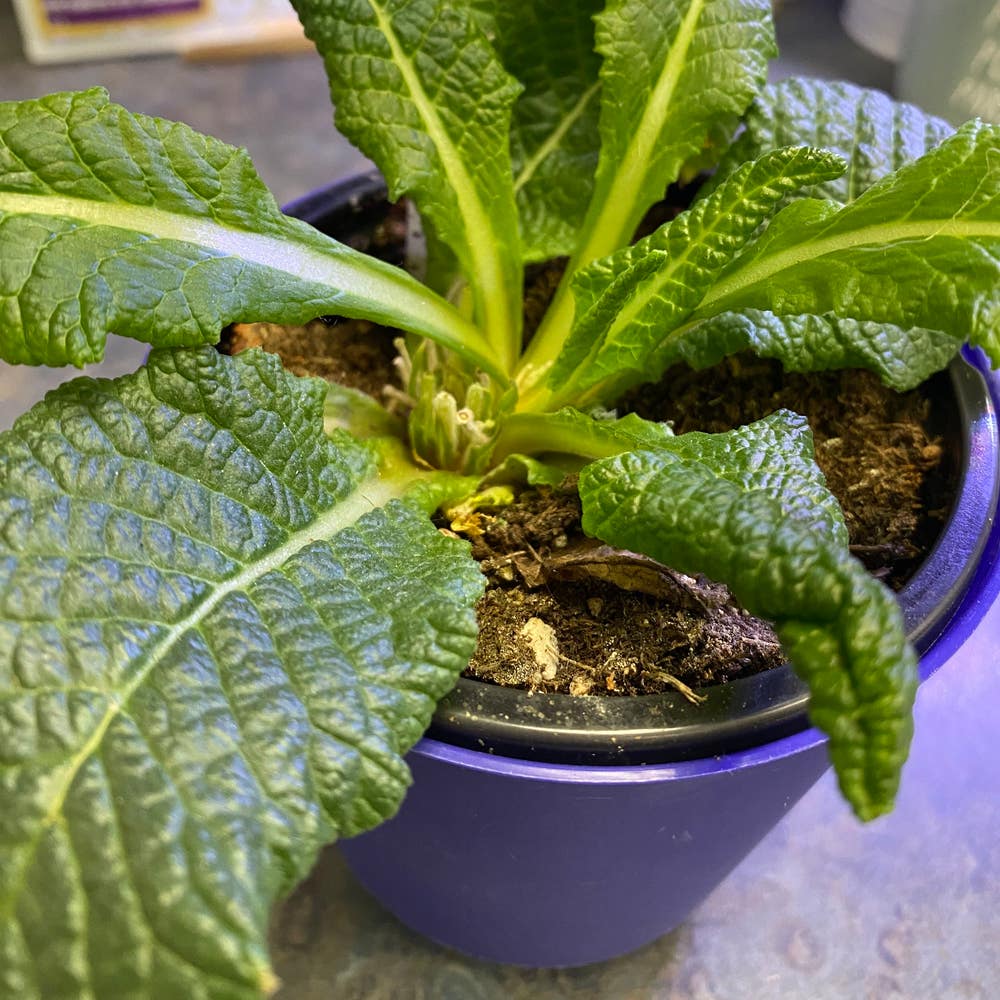
Once your Primula obconica has finished blooming, you may notice some changes in its appearance. The plant typically retains its lush green leaves, which continue to photosynthesize and support its growth.
During this time, the plant may enter a period of dormancy. This doesn't mean it's dying; rather, it's a natural phase where growth slows down, allowing the plant to conserve energy for the next blooming cycle.
Perennial Nature 🌼
It's important to clarify that Primula obconica is a perennial plant. This means it won't die after flowering; instead, it will come back year after year, bringing joy with its vibrant blooms.
Understanding this aspect of its life cycle can help you appreciate the care it needs during its dormant phase. With the right attention, your Primula obconica will thrive and reward you with beautiful flowers in the next blooming season.
As you transition into caring for your plant post-bloom, consider how to maintain its health and prepare for the next cycle. This will ensure your Primula obconica remains a stunning addition to your garden or home.
Unique Aspects
🌈 Unusual Characteristics
Primula obconica stands out in the world of flowering plants due to its vibrant colors and unique growth habits. Unlike many other primroses, it thrives in a variety of indoor environments, making it a popular choice for home gardeners.
One of its most fascinating traits is its ability to produce a profusion of flowers on tall spikes. This not only creates a stunning visual display but also allows for a longer blooming period, which can last for several weeks in optimal conditions.
🤔 Trivia About Reproductive Strategies
When it comes to reproduction, Primula obconica has some intriguing strategies. It is primarily self-pollinating, which means it can produce seeds without needing pollen from another plant. This adaptability is crucial for its survival, especially in environments where pollinators may be scarce.
Interestingly, this self-sufficiency does not hinder its ability to cross-pollinate. When conditions are right, it can also benefit from external pollination, leading to genetic diversity and potentially stronger offspring. This dual approach ensures that Primula obconica can thrive in various settings, making it a resilient and fascinating plant.
As you explore the unique aspects of Primula obconica, you’ll find that its charm goes beyond just its beautiful blooms. Understanding its reproductive strategies and growth habits can deepen your appreciation for this remarkable plant and enhance your gardening experience.
⚠️ Safety First
This content is for general information and may contain errors, omissions, or outdated details. It is not medical, veterinary advice, or an endorsement of therapeutic claims.
Always consult a qualified healthcare professional before using any plant as food, medicine, or supplement.
Never eat any plant (or feed one to pets) without confirming its identity with at least two trusted sources.
If you suspect poisoning, call Poison Control (800) 222-1222, the Pet Poison Helpline (800) 213-6680, or your local emergency service immediately.
Spotted an error? Please report it here.
Get your Primula obconica to bloom beautifully 🌸 this spring with Greg's tailored care reminders for light, humidity, and fertilization, ensuring your plant dazzles with vibrant colors!