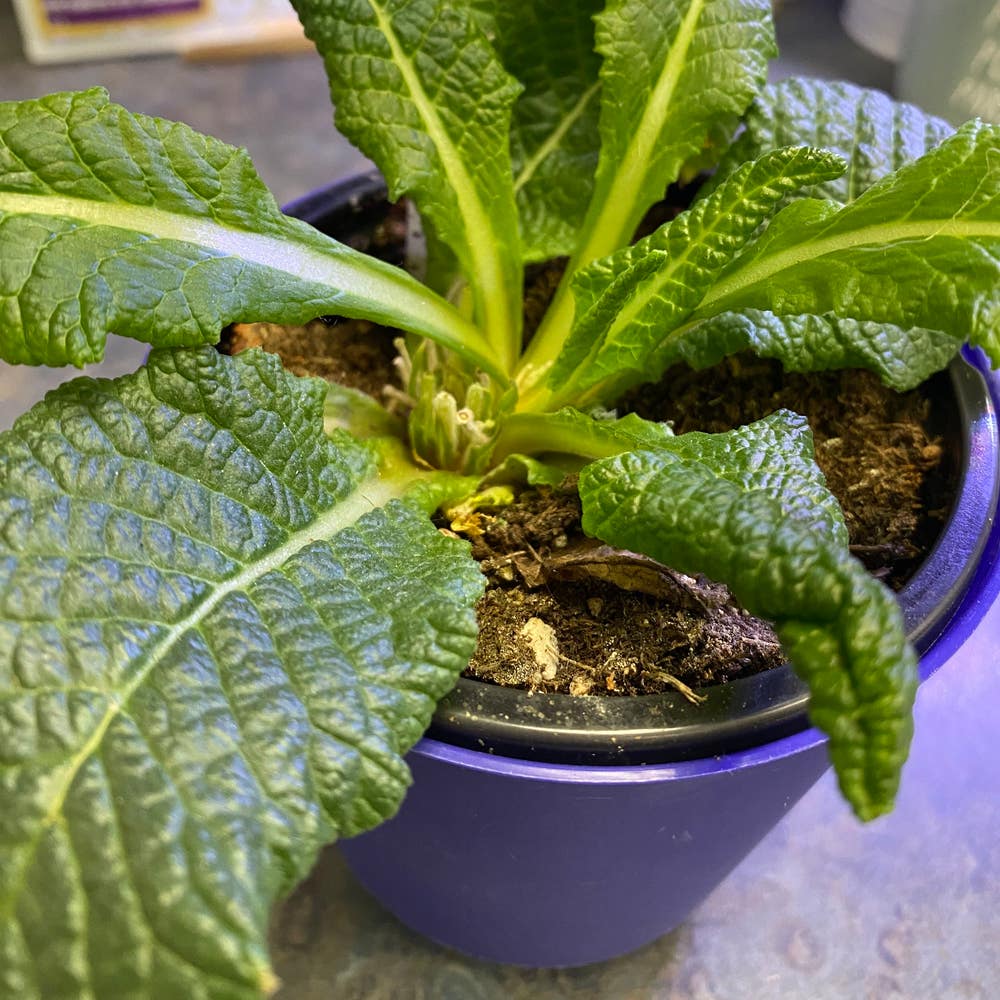
Top 5 Companions for a Healthy Primula obconica Garden 🌸
Primula obconica
By the Greg Editorial Team
Jan 07, 2025•5 min read
This article was created with the help of AI so we can cover more plants for you. May contain errors. See one? Report it here.
Boost your Primula obconica garden 🌼 with companion planting for vibrant growth and natural pest control! 🌱
- 🌱 Companion planting boosts Primula obconica's growth by fostering supportive plant relationships.
- 🐞 Certain companions deter pests naturally, reducing the need for chemicals in your garden.
- 🌼 Heuchera and Brunnera enhance aesthetics while improving soil health and attracting beneficial insects.
Benefits of Companion Planting for Primula obconica
🌱 Enhanced Growth and Health
Companion planting is a game-changer for your Primula obconica garden. By pairing supportive plants, you can create relationships that boost growth and overall health.
One of the key benefits is improved soil health. Companion plants can enhance nutrient availability, making it easier for Primula obconica to thrive.
Additionally, certain plants act as natural pest deterrents. This means fewer chemicals and a healthier garden ecosystem.
🤝 Supportive Plant Relationships
When you choose the right companions, you foster supportive relationships that promote growth. For instance, some plants can provide shade or moisture, creating an ideal environment for Primula obconica.
These relationships not only help your flowers flourish but also contribute to a vibrant garden community.
🦠 Natural Pest and Disease Deterrents
Companion planting can significantly reduce pest and disease issues. By incorporating plants that repel specific pests, you create a protective barrier around your Primula obconica.
This natural approach minimizes the need for chemical interventions, leading to a healthier garden.
In summary, companion planting offers numerous benefits for Primula obconica, from enhanced growth to natural pest control. Next, let’s explore the top companion plants that can elevate your garden experience.
Top Companion Plants
🌿 Heuchera
Heuchera, known for its attractive foliage and small flowers, is a fantastic companion for Primula obconica. This plant thrives in partial shade and moist conditions, making it a perfect match for your garden.
Heuchera not only adds beauty but also attracts pollinators while helping to retain soil moisture. Its vibrant leaves can create a stunning backdrop for the delicate blooms of Primula obconica.
💙 Brunnera macrophylla
Brunnera macrophylla features heart-shaped leaves adorned with small blue flowers, bringing a charming touch to your garden. It prefers shade and moisture, aligning well with the needs of Primula obconica.
This companion plant enhances garden diversity and attracts beneficial insects, promoting a healthier ecosystem. Its striking foliage and flowers can create a lovely contrast with your Primula obconica.
🌸 Astilbe
Astilbe showcases feathery flower plumes in a variety of colors, adding vertical interest to your garden. It enjoys moist, well-drained soil and partial shade, making it compatible with Primula obconica.
This plant not only complements the blooms of Primula obconica but also provides a stunning visual display. Its vibrant colors can brighten up any shaded area.
🍃 Ferns
Ferns bring lush green foliage that adds texture and depth to your garden. They thrive in shade and moist environments, making them ideal companions for Primula obconica.
By retaining soil moisture, ferns help create a conducive environment for your Primula obconica. Additionally, they provide habitat for beneficial insects, contributing to a balanced garden ecosystem.
🌼 Tiarella
Tiarella, with its delicate white or pink flowers and attractive foliage, enhances the visual appeal of your garden. This plant prefers shade and moisture, aligning perfectly with the needs of Primula obconica.
Not only does Tiarella attract pollinators, but it also adds a soft touch to your garden design. Its charming presence can create a serene atmosphere alongside your Primula obconica.
These companion plants not only support the growth of Primula obconica but also enrich your garden's aesthetic and ecological balance. Next, let’s explore which plants to avoid to ensure a thriving garden.
Plants to Avoid
🌸 Lavender
Lavender is a beautiful plant, but it prefers dry conditions and full sun. This can create competition for resources, making it less than ideal for your Primula obconica garden.
🌿 Rosemary
Rosemary is another herb to steer clear of. It thrives in well-drained soil and is sensitive to moisture, which can conflict with the needs of Primula obconica.
🌵 Cacti and Succulents
Cacti and succulents are fantastic for arid gardens, but they don't mix well with Primula obconica. Their preference for dry conditions can hinder the moisture levels essential for your primulas to flourish.
Avoiding these plants will help ensure your Primula obconica garden remains healthy and vibrant. Next, let’s explore effective pest management strategies that can further enhance your garden’s success.
Pest Management Strategies
How Companion Plants Can Deter Pests 🌱
Companion plants serve as natural pest deterrents, creating a balanced ecosystem in your garden. By strategically pairing plants, you can repel unwanted insects and promote a healthier environment for your Primula obconica.
Certain plants are known for their ability to ward off specific pests. For example, marigolds are excellent at repelling nematodes and aphids, while basil can deter flies and mosquitoes. Incorporating these plants into your garden can significantly reduce pest populations.
Specific Pests and Companion Benefits 🐛
Primula obconica can attract common pests like aphids and slugs, which can hinder their growth. However, companion plants can play a crucial role in minimizing these threats.
For instance, planting garlic nearby can deter aphids, while the presence of ferns can create a habitat for beneficial insects that prey on slugs. This natural pest control method not only protects your Primula obconica but also enhances the overall biodiversity of your garden.
Integrated Pest Management 🛠️
Integrated pest management (IPM) combines various strategies to manage pests effectively while minimizing harm to the environment. Companion planting is a vital component of IPM, offering a sustainable way to keep pests at bay.
Regularly monitoring plant health is essential in this approach. By observing your garden's dynamics, you can adjust your companion selections to ensure optimal growth and pest control. This proactive strategy fosters a thriving garden ecosystem, allowing your Primula obconica to flourish.
As we explore the next section, let's dive into the specific companion plants that can enhance your Primula obconica garden even further.
⚠️ Safety First
This content is for general information and may contain errors, omissions, or outdated details. It is not medical, veterinary advice, or an endorsement of therapeutic claims.
Always consult a qualified healthcare professional before using any plant as food, medicine, or supplement.
Never eat any plant (or feed one to pets) without confirming its identity with at least two trusted sources.
If you suspect poisoning, call Poison Control (800) 222-1222, the Pet Poison Helpline (800) 213-6680, or your local emergency service immediately.
Spotted an error? Please report it here.
Boost your Primula obconica's health and blooms 🌸 by using Greg's tailored care reminders and companion planting tips for a vibrant garden community!