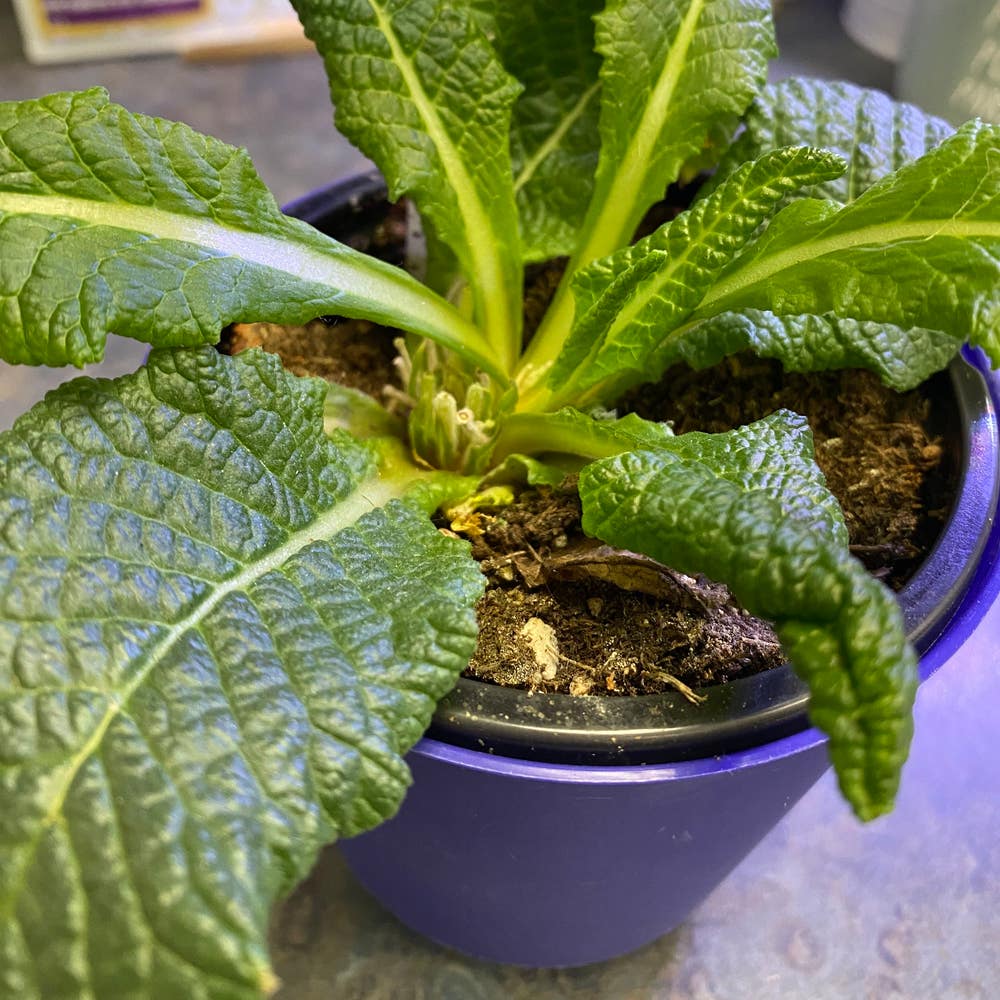
Top 10 Pot Features Your Primula obconica Will Love 🌸
Primula obconica
By the Greg Editorial Team
Jan 07, 2025•6 min read
This article was created with the help of AI so we can cover more plants for you. May contain errors. See one? Report it here.
Unlock vibrant blooms for your Primula obconica 🌸 by mastering pot size and material choices! 🪴
- 🌱 Choose the right pot size for each growth stage to ensure healthy Primula obconica.
- 💧 Ensure proper drainage to prevent root rot and promote vibrant blooms.
- 🔄 Repot during the growing season to minimize stress and support healthy growth.
Importance of Pot Size for Growth Stages
🌱 Container Size Recommendations
Choosing the right pot size is crucial for the healthy growth of your Primula obconica.
- Seedling Stage: Start with small pots, ideally 3-4 inches, to encourage initial growth.
- Young Plant Stage: Transition to medium pots of 5-6 inches as the roots begin to expand.
- Mature Plant Stage: Use larger pots, ranging from 7-10 inches, to support full growth and flowering.
As a general rule, increase the pot size by 1-2 inches in diameter as your plant matures. For specific cultivars like 'Blue Ice' and 'Pink Ice', ensure you follow these size guidelines to optimize their growth potential.
📏 Impact of Pot Size on Growth
The size of the container directly influences root development and overall plant health.
A properly sized pot allows roots to spread out, promoting robust growth and nutrient uptake. Conversely, using a pot that is too small can lead to root binding, while an excessively large pot may retain too much moisture, risking root rot.
Understanding these dynamics is essential for nurturing your Primula obconica effectively. By selecting the right pot size, you set the stage for vibrant blooms and healthy foliage.
Next, let's explore the ideal pot materials that can further enhance your plant's growth.
Ideal Pot Materials
🌱 Clay vs. Plastic
When it comes to choosing the right pot for your Primula obconica, clay and plastic each have their unique benefits and drawbacks.
Clay pots are celebrated for their breathability, allowing air to circulate around the roots. They also regulate moisture well, which can be a boon for your plants. However, they tend to dry out quickly, requiring more frequent watering. Their aesthetic appeal adds a touch of elegance to any space, but they can be quite heavy and fragile.
On the other hand, plastic pots are lightweight and come in a variety of sizes, making them easy to handle and move. They retain moisture better than clay, which can be advantageous in drier conditions. However, they lack breathability, increasing the risk of root rot if drainage isn't adequate.
⚖️ Comparison of Pot Materials
Here's a quick summary of the pros and cons of clay and plastic pots:
| Material | Pros | Cons |
|---|---|---|
| Clay | Breathable, moisture regulation, aesthetic appeal | Heavy, dries out quickly, fragile |
| Plastic | Lightweight, moisture retention, variety of sizes | Less breathable, potential for root rot |
When selecting a pot, consider your specific growing conditions. If you live in a humid environment, plastic pots might be your best bet. Conversely, if you prefer a more traditional look and can manage the watering needs, clay pots could be ideal.
Choosing the right pot material is crucial for the health of your Primula obconica. Understanding these differences will help you create the perfect environment for your plants to thrive.
How Drainage Holes Affect Plant Health
🌊 Importance of Drainage
Proper drainage is crucial for the health of your Primula obconica. It prevents overwatering, which can lead to root rot, a common issue that can devastate your plant.
For optimal water flow, aim for drainage holes that are at least 1/2 inch in diameter. The number of holes should be sufficient to allow excess water to escape, typically four to six holes for standard-sized pots.
🔍 Assessing Drainage Needs
Recognizing signs of poor drainage is essential for maintaining plant health. Look for yellowing leaves or wilting, even when you've watered adequately; these are clear indicators that your plant may be struggling.
When choosing pots, consider those with built-in drainage systems. If you opt for pots without drainage, be prepared to make modifications to ensure your Primula obconica thrives.
🛠️ Enhancing Drainage
Improving drainage can be as simple as adding materials like gravel or perlite to the bottom of your pot. These additions help create space for excess water to escape, promoting healthier roots.
Additionally, using well-draining soil mixes is vital for container gardening. A good mix allows moisture retention without suffocating the roots, ensuring your Primula obconica gets the best care possible.
With proper drainage in place, your Primula obconica will flourish, setting the stage for vibrant blooms and robust growth. Next, let’s explore how repotting can further enhance your plant's health and vitality.
Repotting Primula obconica
🌱 Signs That It's Time to Repot
Recognizing when your Primula obconica needs repotting is crucial for its health. Look for signs like roots growing out of drainage holes or circling the pot, which indicate that the plant is root-bound.
Additionally, if you notice stunted growth or yellowing leaves despite providing proper care, it's time to consider a new pot. These symptoms suggest that the plant is struggling for space and nutrients.
🛠️ Step-by-Step Guide to Repotting
Repotting your Primula obconica can be straightforward. Follow these steps for a successful transition:
- Choose a new pot that is 1-2 inches larger in diameter than the current one.
- Prepare fresh, well-draining potting mix to provide a healthy environment for your plant.
- Gently remove the plant from its current pot, loosening the roots if necessary to avoid damage.
- Place the plant in the new pot, ensuring it sits at the same depth as before.
- Fill in with potting mix, firming it gently around the roots to eliminate air pockets.
- Water thoroughly and place the pot in a suitable location with adequate light.
🪴 Choosing the Right Pot for Repotting
Selecting the right pot is essential for your plant's growth stage and environmental conditions. Consider the size and material that best suits your Primula obconica's needs.
Timing is also important; repotting during the growing season minimizes stress on the plant. This ensures a smoother transition and promotes healthy growth.
By keeping an eye on these signs and following the repotting guide, you can help your Primula obconica thrive in its new home. Next, let’s explore how the choice of pot can impact your plant's growth and flowering.
Impact of Pot Choice on Growth
🌱 How Pot Size Influences Growth and Flowering
The size of your pot plays a crucial role in the growth and flowering of your Primula obconica. Larger pots generally allow for more root expansion, leading to healthier plants that produce more blooms.
For instance, a plant in a 10-inch pot may exhibit more vibrant flowers compared to one confined to a smaller 5-inch pot. This is because the roots have more space to grow, which directly impacts the plant's overall vitality.
🧱 Effects of Pot Material on Moisture Retention
The material of your pot significantly affects moisture retention, which is vital for your plant's health. Clay pots are porous, allowing moisture to evaporate more quickly, while plastic pots retain water longer.
If you choose clay pots, you might need to water your Primula obconica more frequently. Conversely, with plastic pots, be cautious of overwatering, as they can lead to soggy soil conditions.
🚿 The Role of Drainage in Preventing Root Rot
Proper drainage is essential to prevent root rot, a common issue for container plants. Root rot occurs when excess water accumulates, suffocating the roots and leading to decay.
To avoid this, select pots with adequate drainage holes. Ensuring good drainage not only protects your plant but also promotes healthy growth and flowering.
⚠️ Safety First
This content is for general information and may contain errors, omissions, or outdated details. It is not medical, veterinary advice, or an endorsement of therapeutic claims.
Always consult a qualified healthcare professional before using any plant as food, medicine, or supplement.
Never eat any plant (or feed one to pets) without confirming its identity with at least two trusted sources.
If you suspect poisoning, call Poison Control (800) 222-1222, the Pet Poison Helpline (800) 213-6680, or your local emergency service immediately.
Spotted an error? Please report it here.
Keep your Primula obconica blooming beautifully 🌼 by using Greg's tailored reminders for pot size and drainage, ensuring your plant gets the care it deserves!