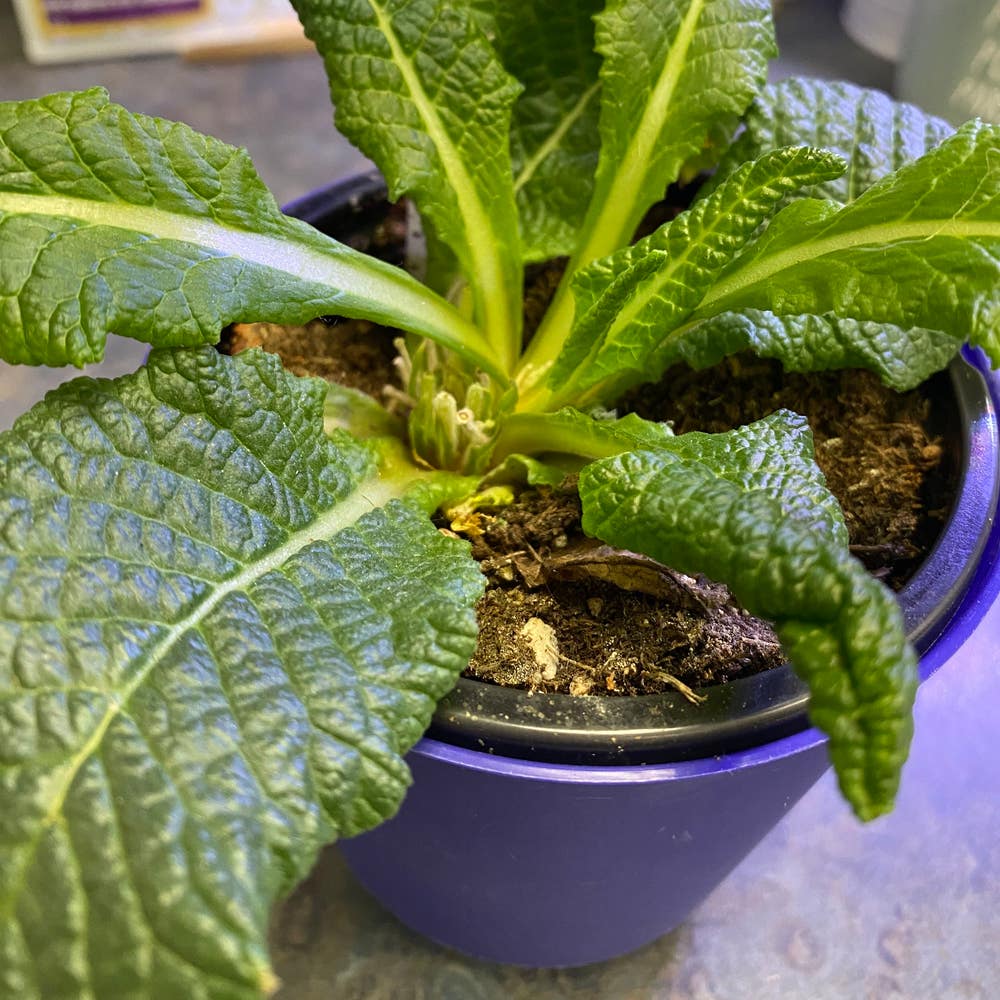
Managing Leaf Drop on Your Primula obconica 😢
Primula obconica
By the Greg Editorial Team
Jan 07, 2025•5 min read
This article was created with the help of AI so we can cover more plants for you. May contain errors. See one? Report it here.
Master watering and humidity 🌊 to keep your Primula obconica vibrant and prevent frustrating leaf drop!
- 💧 Proper watering prevents leaf drop; adjust based on season and humidity.
- 🌬️ Maintain humidity levels between 50-70% for optimal Primula obconica health.
- 🐛 Regular inspections for pests ensure early detection and plant vitality.
Preventing Leaf Drop
Proper Watering Techniques 🌊
Watering is crucial for the health of your Primula obconica. Understanding the right balance can prevent leaf drop and keep your plant thriving.
Signs of Overwatering
Overwatering can lead to serious issues. Look for yellowing leaves and drooping foliage, which indicate that your plant is struggling.
Additionally, check the soil condition. If it feels soggy or waterlogged, it’s a clear sign that you need to adjust your watering habits.
Signs of Underwatering
On the flip side, underwatering can also cause distress. Watch for wilting leaves and crispy edges, which signal that your plant is thirsty.
The soil will often feel dry and may pull away from the edges of the pot, indicating it’s time to give your Primula some much-needed moisture.
Ideal Humidity Levels 💧
Humidity plays a significant role in the health of your Primula obconica. Maintaining the right levels can help prevent leaf drop and promote lush growth.
How to Increase Humidity
To boost humidity, consider using pebble trays, humidifiers, or misting your plants regularly. These methods can create a more favorable environment for your Primula.
Aim for humidity levels around 50-70% for optimal growth. This range helps your plant thrive and reduces the risk of leaf drop.
Humidity Monitoring Tools
Investing in humidity monitoring tools can be a game changer. Use hygrometers and moisture meters to keep an eye on your plant's environment.
Regular monitoring is essential. It allows you to make timely adjustments to humidity levels, ensuring your Primula remains healthy and vibrant.
With proper watering techniques and ideal humidity levels, you can significantly reduce the chances of leaf drop in your Primula obconica. Next, let’s explore how to treat leaf drop effectively when it occurs.
Treating Leaf Drop
🌊 Immediate Actions to Take
Assessing Soil Moisture
To tackle leaf drop effectively, start by assessing the soil moisture. Use the finger test: insert your finger into the soil up to the second knuckle. If it feels dry, your Primula obconica likely needs watering. Alternatively, a moisture meter can provide a more precise reading, ensuring you don't over or under-water.
Adjusting Watering Schedule
Once you've determined the moisture level, adjust your watering schedule accordingly. Aim to water every 1-2 weeks, depending on your plant's environment and the season. Consistency is key; regular watering helps maintain healthy foliage and prevents further leaf drop.
🌱 Long-Term Care Strategies
Soil Selection and Drainage
Choosing the right soil is crucial for your plant's health. A well-draining potting mix is recommended to prevent waterlogging, which can lead to root rot. Additionally, ensure your pots have drainage holes to allow excess water to escape, promoting a healthy root system.
Fertilization Practices
Fertilization plays a vital role in supporting your Primula obconica's growth. A monthly fertilization schedule during the growing season will provide essential nutrients. Opt for balanced NPK fertilizers or organic options to keep your plant thriving.
Repotting Considerations
Keep an eye on your plant's growth to determine when it needs repotting. Signs of a root-bound plant include roots growing out of the drainage holes or stunted growth. When repotting, handle the roots gently and use fresh soil to give your Primula a fresh start.
By implementing these immediate actions and long-term strategies, you can effectively manage leaf drop and promote a healthy, vibrant Primula obconica. Next, let’s explore pest management to ensure your plant remains pest-free and flourishing.
Pest Management
Common Pests Affecting Primula obconica 🐜
Primula obconica can fall victim to several pests that threaten its health and beauty. Identifying these pests early is crucial for effective management.
Identifying Pests
Aphids are a common nuisance, leaving behind a sticky residue and curling the leaves. On the other hand, spider mites create fine webbing and cause speckled leaves, indicating their presence.
Treatment Options 💊
When it comes to treatment, organic options like neem oil and insecticidal soap are effective and environmentally friendly. If infestations persist, consider stronger chemical treatments as a last resort.
Preventative Measures Against Pests 🚫
Preventing pests is often easier than dealing with them after they appear. Regular inspections and proper care can significantly reduce the risk of infestations.
Regular Inspections
Conduct weekly checks on your Primula obconica for early detection of pests. Look for signs like discoloration, webbing, or unusual growth patterns.
Maintaining Plant Health 🌱
Healthy plants are less susceptible to pests. Focus on consistent watering, proper fertilization, and maintaining ideal humidity levels to keep your Primula thriving.
By staying vigilant and proactive, you can enjoy a vibrant Primula obconica free from pest problems. Next, let’s explore seasonal considerations to adapt your care routine throughout the year.
Seasonal Considerations
Adapting Care Routines Throughout the Year 🌱
Understanding the seasonal needs of your Primula obconica is crucial for its health and vitality. Each season brings unique challenges and opportunities that can significantly impact your plant's growth.
Importance of Seasonal Awareness in Primula Care 🌍
Being aware of seasonal changes helps you anticipate your plant's needs. For instance, during winter, lower light levels and cooler temperatures may require adjustments in watering and humidity.
Tailoring Humidity, Temperature, and Watering 🌡️
Humidity: In winter, indoor air can become dry due to heating. Consider using a humidifier or pebble trays to maintain adequate moisture levels.
Temperature: Primula obconica thrives in cooler temperatures, ideally between 60-70°F. Monitor your home’s temperature and avoid placing your plant near drafts or heat sources.
Watering: Adjust your watering schedule based on the season. In the warmer months, your plant may need more frequent watering, while in cooler months, reduce the frequency to prevent overwatering.
By adapting your care routine to the seasons, you can ensure your Primula obconica remains healthy and vibrant year-round. This proactive approach not only enhances your plant's growth but also deepens your connection with it, making gardening a more rewarding experience.
Next, we’ll explore pest management strategies to keep your Primula thriving.
⚠️ Safety First
This content is for general information and may contain errors, omissions, or outdated details. It is not medical, veterinary advice, or an endorsement of therapeutic claims.
Always consult a qualified healthcare professional before using any plant as food, medicine, or supplement.
Never eat any plant (or feed one to pets) without confirming its identity with at least two trusted sources.
If you suspect poisoning, call Poison Control (800) 222-1222, the Pet Poison Helpline (800) 213-6680, or your local emergency service immediately.
Spotted an error? Please report it here.
Keep your Primula obconica thriving 🌱 by using Greg's personalized watering reminders and humidity tracking to prevent leaf drop and boost its vitality all year round!