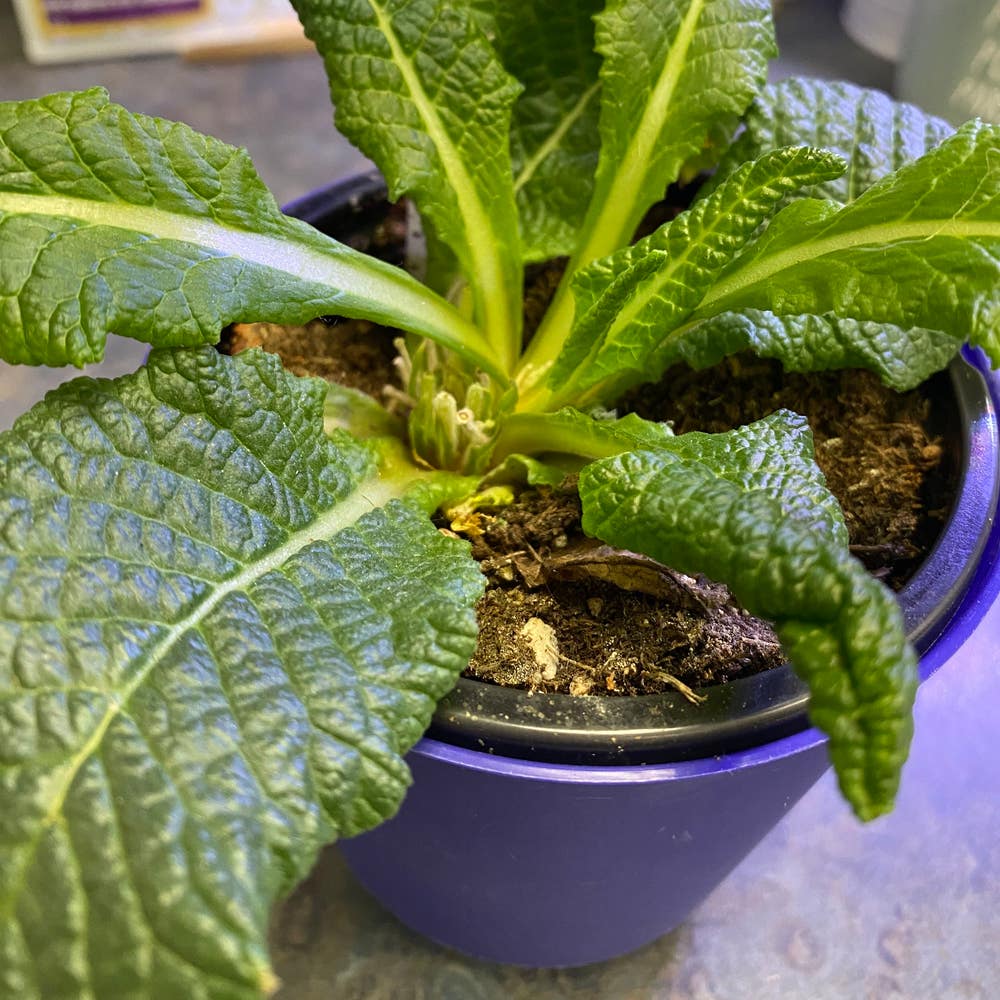
Understanding Black Spots on Your Primula obconica Leaves
Primula obconica
By the Greg Editorial Team
Jan 07, 2025•6 min read
This article was created with the help of AI so we can cover more plants for you. May contain errors. See one? Report it here.
Revive your Primula obconica by mastering the art of diagnosing and treating black spots! 🌱
- 🌱 Black spots on Primula obconica arise from fungal, bacterial infections, or environmental stress.
- 💧 Prevent overwatering and ensure good drainage to avoid root rot and discoloration.
- 🌞 Maintain ideal humidity and temperature for healthy Primula obconica leaves.
Causes of Black Spots on Leaves
🦠 Fungal Infections
Fungal infections are a common culprit behind black spots on Primula obconica leaves. Look for dark, irregular spots that can spread rapidly under the right conditions.
High humidity and poor air circulation create a perfect environment for these pathogens to thrive. If you notice these symptoms, it’s crucial to act quickly to prevent further damage.
🦠 Bacterial Infections
Bacterial leaf spot presents a different challenge. You’ll typically see water-soaked spots that may eventually turn black, signaling a serious issue.
These infections often worsen in wet conditions and overcrowded spaces. Keeping your plants spaced out can help mitigate the spread of bacteria.
🌧️ Environmental Stress Factors
Overwatering and poor drainage can lead to root rot, which manifests as leaf discoloration. Managing soil moisture is essential for maintaining healthy leaves.
Temperature fluctuations also play a significant role in leaf health. Ideally, keep your Primula obconica in temperatures ranging from 15°C to 20°C (59°F to 68°F) to avoid stress on the plant. Extreme temperatures can lead to further complications, so monitoring your plant's environment is key.
Diagnosing the Problem
How to Examine Leaves for Black Spots 🌿
Diagnosing black spots on your Primula obconica leaves starts with a thorough inspection. Follow these simple steps to identify the issue effectively:
- Check the underside of leaves for spots. This area often harbors hidden problems that are not visible from the top.
- Observe leaf texture and overall health. Look for any signs of wilting or discoloration that may indicate a deeper issue.
- Assess surrounding environmental conditions. Consider factors like humidity and air circulation that could contribute to leaf problems.
Differentiating Between Fungal and Bacterial Issues 🦠
Once you've examined the leaves, it's crucial to differentiate between fungal and bacterial infections. Here are the key characteristics to look for:
- Fungal spots typically have irregular shapes and may feature a yellow halo around them. This can indicate a more advanced infection.
- Bacterial spots present as water-soaked areas that might ooze when pressed. These spots often spread quickly, especially in humid conditions.
Identifying Environmental Stressors 🌍
Environmental factors can also play a significant role in leaf health. Start by assessing your watering practices and soil moisture levels. Overwatering can lead to root rot, which manifests as leaf discoloration.
Next, evaluate light exposure and temperature consistency. Ensure your Primula obconica is receiving bright, indirect sunlight and is kept within the ideal temperature range of 15°C to 20°C (59°F to 68°F). Fluctuations outside this range can stress the plant, leading to further complications.
By carefully examining these aspects, you can pinpoint the cause of black spots and take appropriate action to restore your plant's health. Now that you have a clear understanding of diagnosing the problem, let’s explore treatment options to tackle these pesky spots effectively.
Treatment Options
🧪 Chemical Treatments for Fungal Infections
When dealing with fungal infections on your Primula obconica, using the right fungicides can make a significant difference. Recommended options include products containing copper or sulfur, which can effectively target those pesky fungal pathogens.
For application, you can either spray the leaves directly or use a soil drench method. Timing is crucial; aim to apply these treatments early in the morning or late in the afternoon to prevent leaf burn from the sun.
🌱 Organic Solutions for Black Spots
If you prefer a more natural approach, consider using organic fungicides like neem oil or baking soda solutions. Neem oil is a powerful natural pesticide that can help combat fungal issues without harming beneficial insects.
To prepare a baking soda solution, mix one tablespoon of baking soda with a gallon of water and a few drops of dish soap. Spray this mixture on affected leaves every 7 to 14 days for best results.
🏡 Home Remedies for Leaf Spot Issues
DIY treatments can also be effective in managing black spots on your leaves. A simple solution involves diluting milk with water in a 1:1 ratio and spraying it on the affected areas.
Chamomile tea is another great option; brew a strong cup, let it cool, and spray it on your plants. Apply these remedies every week to keep the black spots at bay and promote healthier foliage.
With these treatment options, you can tackle black spots effectively and keep your Primula obconica thriving. Next, let’s explore preventive measures to ensure your plants stay healthy and vibrant.
Preventive Measures
Proper Watering Techniques 🌊
Watering your Primula obconica correctly is crucial for preventing black spots. Aim to let the top inch of soil dry out between waterings to maintain optimal moisture levels.
Avoiding waterlogged conditions is essential. Overwatering can lead to root rot, which contributes to leaf discoloration and black spots.
Ideal Light Conditions ☀️
Your plant thrives in bright, indirect sunlight. Too much direct sunlight can scorch the leaves, leading to stress and potential black spots.
Monitor your plant's light exposure to ensure it remains healthy. Adjust its position if you notice signs of leaf burn.
Soil Requirements and Drainage 🪴
Using a well-draining potting mix is vital for your Primula obconica. This type of soil helps prevent excess moisture retention, which can lead to root rot.
Ensure your pots have drainage holes. Proper drainage allows excess water to escape, further protecting your plant's roots.
Regular Maintenance and Inspection 🔍
Routine checks for pests and diseases can save your plant from severe issues. Regular inspections help you catch problems early before they escalate.
Stay vigilant and proactive. Early detection is key to maintaining the health of your Primula obconica and preventing black spots from taking hold.
With these preventive measures in place, your plant will be better equipped to thrive. Next, let’s explore effective treatment options if you do encounter black spots on your leaves.
Long-term Care Strategies
🌦️ Seasonal Care Adjustments
As the seasons change, so should your care practices for Primula obconica. In winter, reduce watering frequency since the plant's growth slows down, allowing the top inch of soil to dry out between waterings.
🌱 Fertilization Practices to Promote Healthy Growth
Fertilizing your Primula obconica is crucial for vibrant growth. Use a balanced, water-soluble fertilizer every 4 to 6 weeks during the growing season, applying it in the morning for best results.
🏡 Best Practices for Indoor vs. Outdoor Care
Caring for your Primula obconica varies significantly between indoor and outdoor environments. Indoors, maintain controlled humidity and temperature, while outdoors, ensure your plant receives adequate natural light without direct sun exposure.
By following these long-term care strategies, you can keep your Primula obconica thriving and free from black spots. Transitioning to the next topic, let's explore preventive measures to safeguard your plant's health.
⚠️ Safety First
This content is for general information and may contain errors, omissions, or outdated details. It is not medical, veterinary advice, or an endorsement of therapeutic claims.
Always consult a qualified healthcare professional before using any plant as food, medicine, or supplement.
Never eat any plant (or feed one to pets) without confirming its identity with at least two trusted sources.
If you suspect poisoning, call Poison Control (800) 222-1222, the Pet Poison Helpline (800) 213-6680, or your local emergency service immediately.
Spotted an error? Please report it here.
Keep your Primula obconica thriving 🌱 by using Greg's tailored care reminders to prevent black spots and maintain the perfect environment for your plant!