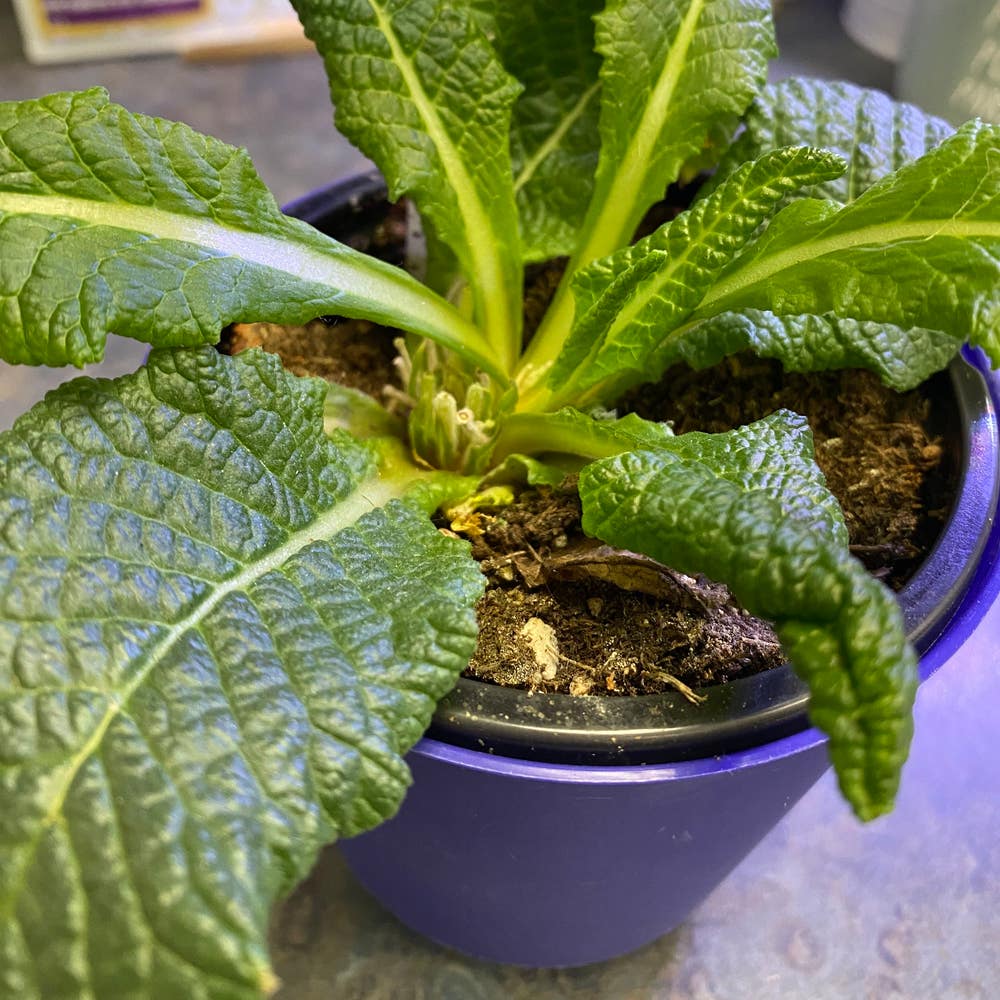
Step-by-Step Guide to Winterizing Primula obconica ❄️
Primula obconica
By the Greg Editorial Team
Jan 07, 2025•4 min read
This article was created with the help of AI so we can cover more plants for you. May contain errors. See one? Report it here.
Ensure your Primula obconica thrives this winter with essential frost protection and care tips! 🌱❄️
- ❄️ Protect Primula obconica from frost using cloth or burlap for survival.
- 🌱 Adjust winter watering to prevent root rot; water only when soil is dry.
- 🌡️ Maintain indoor conditions between 60°F-70°F for optimal plant health during winter.
Frost Protection Strategies
🌨️ Methods for Protecting from Frost
Protecting your Primula obconica from frost is crucial for its survival during the colder months. One effective method is to cover the plants with frost cloth or burlap during unexpected cold snaps, providing a barrier against harsh temperatures.
Another option is to use cloches or row covers. These create a microenvironment that traps heat and shields your plants from frost. Additionally, mulching around the base of the plant helps insulate the roots, keeping them warm and protected from freezing temperatures.
🛡️ Best Practices for Covering Outdoor Plants
Timing is everything when it comes to covering your outdoor plants. Aim to cover them before the first expected frost date to ensure they are adequately protected.
Ventilation is also key. Make sure to allow for adequate airflow to prevent moisture buildup, which can lead to mold or rot. During the day, when temperatures rise above freezing, remove the covers to let sunlight in, helping your plants stay healthy and vibrant.
Watering and Fertilizing Adjustments
💧 How to Adjust Watering Schedules During Winter
During winter, it's crucial to adjust your watering routine for Primula obconica. Reduce the frequency of watering to prevent root rot; only water when the top inch of soil feels dry.
Maintaining slightly moist soil is essential, but be cautious of waterlogging. Overwatering can lead to serious issues, so always check the soil moisture before adding more water.
❄️ Fertilizing in Winter: What to Know
When it comes to fertilizing during winter, the general recommendation is to avoid it altogether while the plant is dormant. However, if you notice growth resuming in late winter, you can apply a diluted, balanced fertilizer to give your Primula a boost.
Timing is key for fertilization. Aim to start fertilizing in early spring as new growth appears, ensuring your plant is ready to thrive as the weather warms up.
With these adjustments, your Primula obconica will be well-prepared for the winter months, setting the stage for a vibrant spring. Next, let’s explore how to care for your plants indoors during the colder season.
Indoor Winter Care
Transitioning Indoors for Winter 🌬️
Bringing your Primula obconica indoors for the winter is crucial for its survival. Start by inspecting the plant for pests and diseases; this step ensures you don’t introduce any unwanted guests into your home.
Next, gradually acclimate the plant to indoor conditions over the course of a week. This slow transition helps reduce shock and allows the plant to adjust to its new environment.
Finally, choose a location with bright, indirect light. This setup mimics the plant's natural habitat and promotes healthy growth during the winter months.
Ideal Indoor Conditions for Wintering 🏡
Creating the right indoor environment is essential for your plant's well-being. Aim for a temperature range of 60°F to 70°F (15°C to 21°C) to keep your Primula comfortable.
Humidity levels should be maintained between 40-60%. This moderate humidity helps prevent the plant from drying out, which is especially important during the dry winter months.
Adjust your watering needs accordingly, as indoor plants typically require less frequent watering than their outdoor counterparts. Water only when the top inch of soil feels dry, ensuring the roots remain healthy and free from rot.
As you care for your Primula obconica indoors, remember that a little attention goes a long way. By providing the right conditions, you set the stage for a vibrant spring revival.
Now that your plant is cozy indoors, let’s explore how to prepare it for the upcoming spring growth.
Spring Preparation and Recovery
🌱 Signs of Recovery from Winter Damage
As winter fades, look for signs that your Primula obconica is bouncing back. New leaf growth emerging from the base is a positive indicator of recovery.
Additionally, check the color and texture of the remaining foliage. Healthy plants will show resilience, while any signs of stress or disease should be monitored closely.
🌼 Preparing for Spring Growth
To help your plants thrive, gradually reintroduce them to outdoor conditions. This hardening off process should take about 7-10 days, allowing them to acclimate to the changing environment.
During this time, assess the soil conditions. If necessary, amend the soil to ensure your plants have the nutrients they need for robust growth.
🌞 Tips for Transitioning Back Outdoors in Spring
Timing is crucial when transitioning your plants outdoors. Wait until after the last frost date in your area to avoid any potential damage.
Choose a sheltered location for your plants to minimize shock. This will help them adjust more comfortably to their outdoor environment.
Lastly, keep a close eye on your plants for any pests or diseases as they acclimate. Regular monitoring will help ensure a smooth transition and promote healthy growth.
⚠️ Safety First
This content is for general information and may contain errors, omissions, or outdated details. It is not medical, veterinary advice, or an endorsement of therapeutic claims.
Always consult a qualified healthcare professional before using any plant as food, medicine, or supplement.
Never eat any plant (or feed one to pets) without confirming its identity with at least two trusted sources.
If you suspect poisoning, call Poison Control (800) 222-1222, the Pet Poison Helpline (800) 213-6680, or your local emergency service immediately.
Spotted an error? Please report it here.
Keep your Primula obconica thriving through winter ❄️ with Greg's tailored care reminders and expert tips to protect it from frost and ensure a vibrant spring!