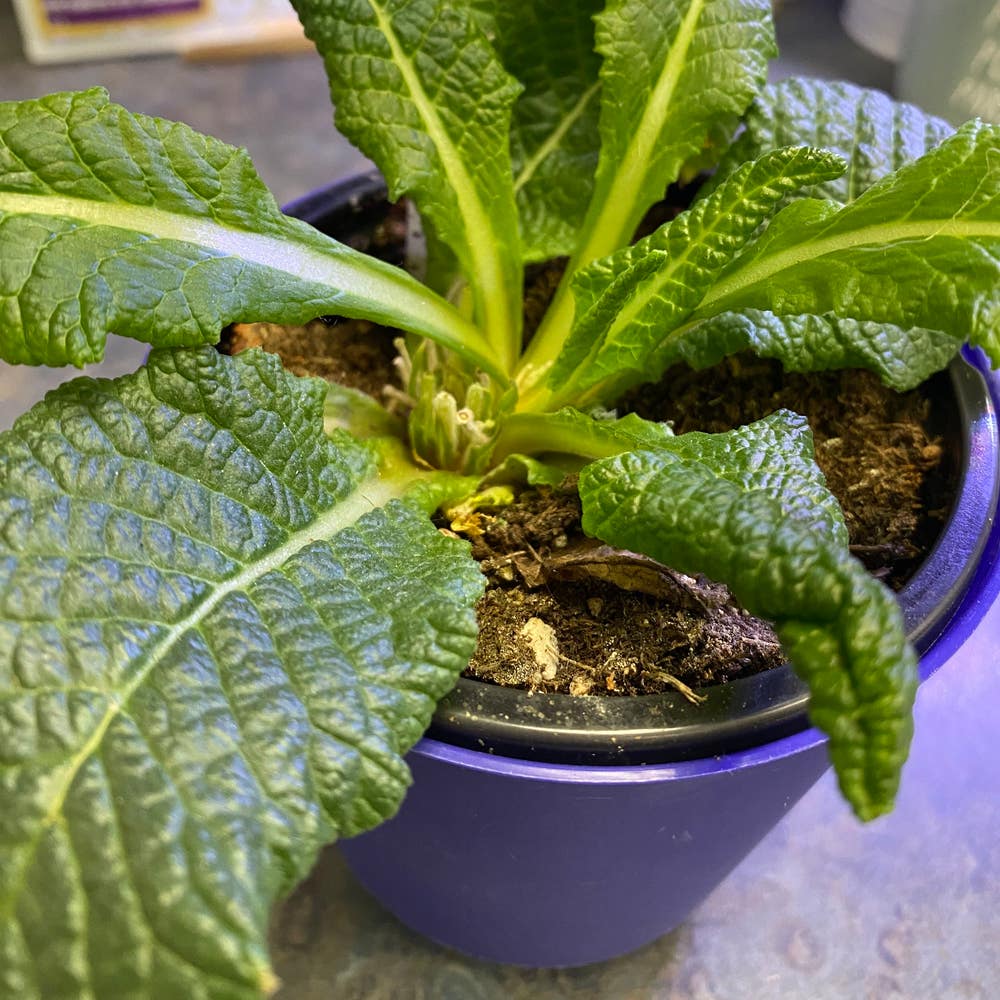
What You Should Know About German Primrose 🌼
Primula obconica
By the Greg Editorial Team
Jan 24, 2025•12 min read
This article was created with the help of AI so we can cover more plants for you. May contain errors. See one? Report it here.
Elevate your garden with stunning German Primrose blooms 🌸 and master essential care tips for thriving plants!
- 🌱 German Primrose thrives in partial shade and prefers cooler temperatures (15°C to 20°C).
- 💧 Consistent watering is key; keep soil moist but avoid waterlogging to prevent root rot.
- 🌼 Prune and deadhead regularly to encourage new blooms and maintain plant health.
How to Grow
🌳 Choosing a Location
German Primrose thrives in partial to full shade, making it an excellent choice for those shadier spots in your garden. It prefers cooler temperatures, ideally between 15°C to 20°C (59°F to 68°F), and enjoys moderate humidity levels.
🏗️ Soil Preparation
For optimal growth, use well-draining soil rich in organic matter. Aim for a slightly acidic to neutral pH, ideally between 6.0 and 7.0, and ensure good drainage to prevent root rot.
🌱 Planting Techniques
When planting, space your German Primrose 12-18 inches apart to allow for healthy growth. Make sure to plant them at the same depth they were in their nursery pot for best results.
💧 Watering Requirements
Keep the soil consistently moist, but avoid waterlogging. Water at the base of the plant to prevent wetting the foliage, which can lead to disease.
🥬 Fertilizing Schedule
Use a balanced, water-soluble fertilizer to nourish your plants. Fertilize every 4-6 weeks during the growing season to support robust growth.
✂️ Pruning and Deadheading
Prune your German Primrose after flowering to encourage new growth. Deadheading spent flowers will promote further blooming and keep your plants looking tidy.
🔍 Ongoing Care
Regularly monitor your plants for signs of stress or disease. Adjust your watering and fertilization based on seasonal changes to keep your German Primrose thriving.
With these tips, you’re well on your way to cultivating a stunning display of German Primrose in your garden. Next, let’s explore how to propagate these beautiful plants for even more blooms!
Propagation
Seed Propagation 🌱
To propagate German Primrose from seeds, start by sowing them on the surface of moist soil. Germination usually occurs within 14 to 30 days, so keep an eye on your seeds during this period.
Division of Established Plants ✂️
Dividing established plants is a great way to propagate. Aim to do this every 3 to 4 years, preferably in early spring or fall, and carefully separate the clumps before replanting them in your garden.
Cuttings 🌿
Taking cuttings is another effective propagation method. Use healthy stems that have at least two leaves, and place them in a moist potting mix until roots develop, which can take some time but is well worth the wait.
This section on propagation sets the stage for understanding how to expand your German Primrose collection. Next, let’s explore the lifecycle of this beautiful plant and how it grows over time.
Lifecycle
Lifecycle Stages 🌱
The lifecycle of the German Primrose consists of five distinct stages: seed, seedling, vegetative growth, flowering, and seed production. Typically, it takes about 6 to 12 months for the plant to reach maturity, depending on environmental conditions.
Growth Rate and Environmental Influences 🌞
On average, you can expect your German Primrose to be fully grown in approximately one year. However, several factors can influence its growth rate, including light availability, water supply, and soil quality.
By providing optimal conditions, you can help your German Primrose thrive and enjoy its vibrant blooms for years to come. Next, let’s explore the size characteristics of this beautiful plant.
Size
Mature Height and Spread 🌱
German Primrose typically grows to about 6-12 inches tall, with a spread of 12-18 inches. This compact size makes it an excellent choice for borders or as ground cover in shaded areas.
Growth Habits 🌿
These plants form dense rosettes that can spread over time, creating a lush carpet of foliage. Their growth habit not only enhances visual appeal but also helps suppress weeds.
Factors Affecting Size 📏
Several factors influence the size of German Primrose.
- Light Conditions: More light can lead to taller plants, so consider the amount of shade in your garden.
- Soil and Water: Rich soil and consistent moisture promote larger growth, ensuring your primrose thrives.
Understanding these elements can help you cultivate a vibrant display of German Primrose in your garden. With the right conditions, you can enjoy their beauty and resilience for years to come.
Roots
Description of Root System 🌱
German Primrose features a fibrous root system that is essential for nutrient absorption. This structure allows the plant to efficiently gather water and nutrients from the soil.
Root Depth and Spread Characteristics 🌍
Typically, the roots are shallow and spread horizontally. This growth pattern helps the plant stabilize itself while maximizing its access to surface-level nutrients.
Common Root Issues ⚠️
Root rot is a common problem, often caused by overwatering. Symptoms include mushy roots that can lead to plant decline.
Another issue is becoming rootbound, which occurs when the roots fill the pot. Signs of this condition include stunted growth and a lack of vigor.
Visual Cues for Healthy vs. Unhealthy Roots 👀
Healthy roots are firm, white, and spread out, indicating a robust plant. In contrast, unhealthy roots appear dark, mushy, or may even emit a foul smell, signaling trouble.
Understanding these root characteristics is crucial for maintaining the health of your German Primrose. By monitoring root health, you can ensure your plant thrives and flourishes in your garden.
Next, let's explore the numerous benefits that German Primrose brings to your garden.
Benefits
Aesthetic Appeal 🌸
German Primrose is a stunning addition to any garden, bringing vibrant colors that can brighten up even the dullest spaces. Its cheerful blooms create a lively atmosphere, making it a favorite among gardeners.
Attracts Pollinators 🐝
These flowers are not just pretty; they play a crucial role in the ecosystem. By attracting bees and butterflies, German Primrose enhances biodiversity and supports local wildlife.
Erosion Control 🌍
Beyond beauty, German Primrose serves a practical purpose. Its roots help stabilize soil in garden beds, preventing erosion and maintaining the integrity of your landscape.
Cultural Significance 🎉
In many cultures, German Primrose symbolizes spring and renewal. Its presence in gardens often evokes feelings of hope and new beginnings, making it a meaningful plant to cultivate.
Medicinal Uses 🌿
Historically, German Primrose has been utilized in traditional medicine for various ailments. While it's not a substitute for professional care, its rich history adds to its charm and value in the garden.
Incorporating German Primrose into your garden not only enhances its beauty but also contributes to a healthier ecosystem and carries cultural significance. Next, let’s explore the best companion plants to pair with this lovely flower for optimal growth and health.
Companion Plants
🌱 Explanation of Companion Planting Benefits
Companion planting is a fantastic strategy that enhances growth, pest management, and overall garden diversity. By pairing plants with complementary needs and characteristics, you create a thriving ecosystem that benefits all involved.
🌼 Recommended Companion Plants
For German Primrose, consider planting ferns and hostas. These companions share similar care requirements and add aesthetic appeal to your garden.
🚫 Plants to Avoid
Be cautious of aggressive weeds that compete for nutrients. These plants can hinder the growth of your German Primrose and disrupt the balance in your garden.
🌍 Impact on Garden Diversity and Pest Management
Incorporating companion plants promotes a balanced ecosystem. This diversity not only enhances the beauty of your garden but also helps reduce pest populations, making your gardening experience more enjoyable and successful.
By thoughtfully selecting companion plants, you can create a vibrant and healthy garden environment that supports your German Primrose and other flora. Next, let’s explore the potential toxicity of German Primrose to humans, dogs, and cats.
Toxicity to Humans
Parts of the Plant That May Cause Irritation 🌿
German Primrose is generally safe, but its leaves and flowers can cause mild irritation. It's important to be aware of these parts when handling the plant.
Symptoms of Irritation 🤕
If irritation occurs, symptoms may include skin rashes, itching, mild gastrointestinal upset, or eye irritation. These reactions are typically not severe but can be uncomfortable.
Handling Precautions 🧤
To minimize the risk of irritation, always wear gloves when handling German Primrose. This simple step can protect your skin from potential contact with irritating compounds.
When to Seek Medical Care 🚑
If you experience persistent or worsening symptoms after contact, it's wise to consult a healthcare professional. Taking prompt action can ensure any irritation is managed effectively.
Understanding the potential toxicity of German Primrose helps you enjoy its beauty while staying safe. Next, let’s explore how this plant can affect our furry friends, particularly dogs.
Toxicity to Dogs
Parts of the Plant That May Irritate Dogs 🌿
German Primrose can pose mild risks to dogs, particularly its leaves and flowers. While not highly toxic, these parts can lead to discomfort if ingested.
Symptoms of Discomfort 🤢
If your dog interacts with the plant, watch for signs like drooling, pawing at the mouth, mild vomiting, or skin irritation. These symptoms indicate that your furry friend may be experiencing some irritation.
Likelihood of Interaction 🐶
Dogs are often attracted to the scent of plants, including German Primrose. Their curiosity can lead them to nibble on the leaves or flowers, so it's essential to monitor their behavior around these plants.
When to Seek Veterinary Care 🚑
If your dog shows persistent symptoms or if their condition worsens, it's wise to consult a veterinarian. Quick action can ensure your pet receives the appropriate care and relief.
In the next section, we'll explore how German Primrose can affect cats, as their reactions can differ from those of dogs.
Toxicity to Cats
Parts of the Plant That May Irritate Cats 🐾
German Primrose can be a source of mild irritation for our feline friends. The leaves and flowers are the primary culprits, so it's best to keep an eye on curious cats.
Symptoms of Discomfort 😿
If a cat interacts with the plant, you might notice them pawing at their mouth, drooling, or experiencing mild vomiting. These symptoms are generally not severe but can be uncomfortable for your pet.
Likelihood of Interaction 🐱
Cats are naturally curious creatures and may nibble on the plant out of sheer curiosity. This behavior can lead to the mild irritation mentioned earlier.
When to Seek Veterinary Care 🩺
If your cat shows persistent symptoms or if their condition worsens, it's wise to consult a veterinarian. Keeping your furry companion safe is always a priority, so don't hesitate to seek professional advice if needed.
Problems
Common Issues 🌱
German Primrose can face several challenges that affect its health and growth.
Overwatering: This is a common mistake, leading to yellowing leaves and root rot.
Incorrect Light Conditions: Insufficient or excessive light can cause leggy growth or scorched leaves.
Diseases: Fungal issues, such as powdery mildew and blight, can plague your plants.
Leaf Issues: Environmental stress can result in scorching or yellowing leaves.
Growth Problems: Inadequate light may lead to stunted growth or leaning plants.
Symptoms and Causes of Each Problem 🧐
Understanding the symptoms is crucial for effective care.
Overwatering: Look for yellowing leaves and a mushy root system, indicating too much moisture.
Light Issues: Leggy growth suggests insufficient light, while scorched leaves indicate too much direct sunlight.
Diseases: Fungal infections often manifest as white powdery spots or dark patches on leaves.
Leaf Issues: Scorched leaves can be a sign of high temperatures or low humidity.
Growth Problems: Leaning or stunted growth typically results from inadequate light or poor soil conditions.
Solutions and Preventive Measures 🛠️
Addressing these problems early can save your plants.
Overwatering: Allow the soil to dry out between waterings. Ensure pots have drainage holes.
Light Conditions: Adjust the plant's location to provide the right amount of light. Aim for partial shade.
Diseases: Improve air circulation around the plants and avoid overhead watering to reduce fungal growth.
Leaf Issues: Monitor environmental conditions and adjust watering and humidity levels as needed.
Growth Problems: Ensure your plants receive adequate light and nutrients to promote healthy growth.
By staying vigilant and proactive, you can keep your German Primrose thriving and vibrant. Next, let’s explore the fascinating world of pests that may threaten your plants.
Bugs
🐜 Common Pests Affecting German Primrose
German Primrose can attract several pests that may threaten its health.
- Spider Mites: These tiny pests create fine webbing and cause stippled leaves, indicating their presence.
- Aphids: Look for clusters of these small insects on new growth, as they suck sap and weaken the plant.
- Mealybugs: Identified by their cotton-like masses on stems and leaves, these pests can severely damage your primrose.
🔍 Identification and Damage Caused by Each Pest
Recognizing these pests early can save your plants from significant damage.
- Spider Mites: They thrive in dry conditions, leading to yellowing and dropping leaves.
- Aphids: Their feeding can cause leaves to curl and distort, ultimately stunting growth.
- Mealybugs: These pests can lead to wilting and yellowing as they drain nutrients from the plant.
🛠️ Treatment Options
Controlling these pests is crucial for maintaining healthy German Primrose.
- Organic Methods: Introduce beneficial insects like ladybugs or use insecticidal soap to manage infestations naturally.
- Chemical Methods: If the infestation is severe, consider using a targeted pesticide, but always follow the manufacturer's instructions.
By staying vigilant and addressing pest issues promptly, you can ensure your German Primrose thrives beautifully.
What Eats German Primrose
🦌 Common Garden Animals That May Damage the Plant
German Primrose can attract a few hungry visitors.
- Deer: These graceful creatures often leave behind signs of their feasting, such as chewed leaves and broken stems.
- Rabbits: If you notice clipped stems and missing foliage, it’s likely that rabbits have been nibbling on your plants.
🕵️♂️ Signs of Animal Presence and Damage Types
Identifying the culprits is key to protecting your German Primrose.
Deer typically leave behind larger bites and broken branches, indicating their presence. In contrast, rabbits create a more subtle impact, with clean cuts on stems and a general lack of foliage.
🚫 Deterrent Methods
Preventing damage from these garden pests is essential for maintaining healthy plants.
- Fencing: Installing a sturdy fence can effectively keep deer and rabbits at bay.
- Repellents: Using commercial or homemade repellents can deter these animals from approaching your garden.
- Companion Planting: Strategically planting certain species alongside your primrose can help mask their scent and make them less appealing to hungry herbivores.
By employing these methods, you can enjoy the beauty of your German Primrose without the worry of unwanted munchers.
⚠️ Safety First
This content is for general information and may contain errors, omissions, or outdated details. It is not medical, veterinary advice, or an endorsement of therapeutic claims.
Always consult a qualified healthcare professional before using any plant as food, medicine, or supplement.
Never eat any plant (or feed one to pets) without confirming its identity with at least two trusted sources.
If you suspect poisoning, call Poison Control (800) 222-1222, the Pet Poison Helpline (800) 213-6680, or your local emergency service immediately.
Spotted an error? Please report it here.
Unlock a vibrant garden 🌼 with thriving German Primrose by using Greg's tailored care reminders to keep your plants healthy and blooming beautifully!