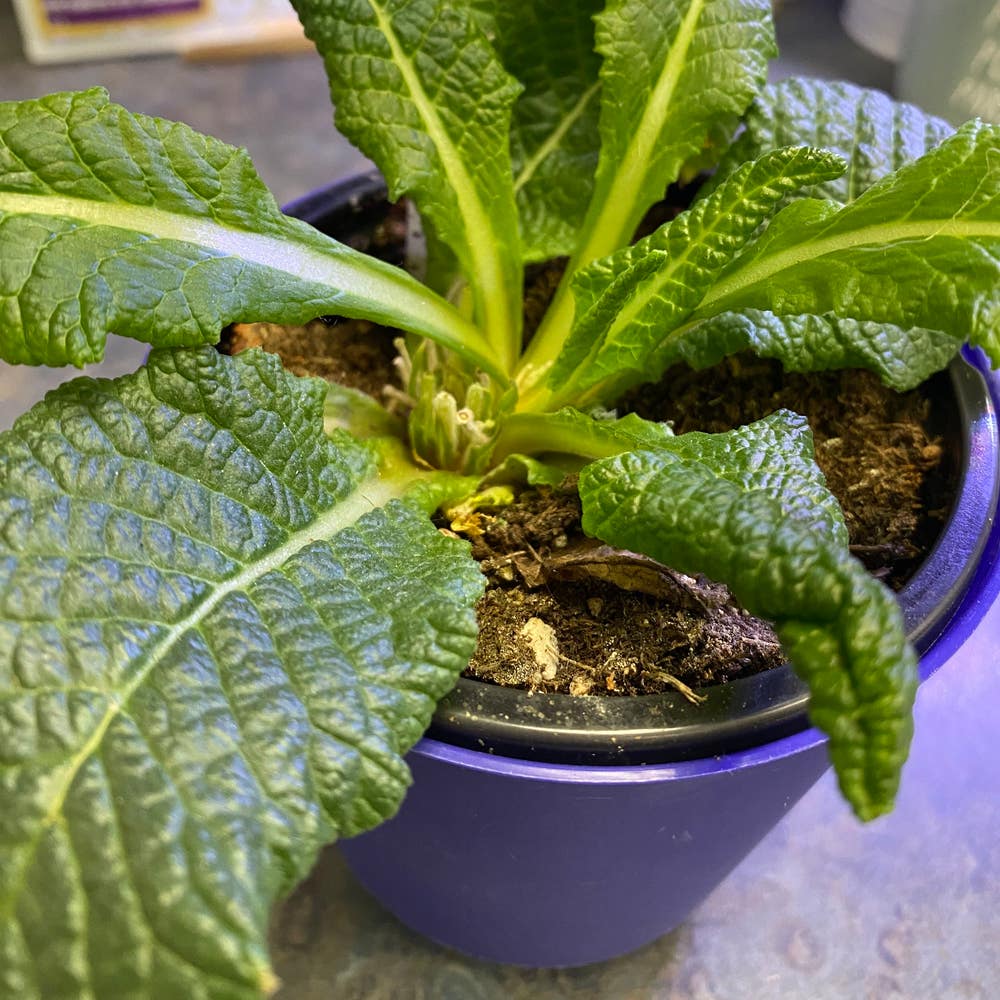
Dealing with Droopy Leaves on Your Primula obconica 🌸
Primula obconica
By the Greg Editorial Team
Jan 07, 2025•4 min read
This article was created with the help of AI so we can cover more plants for you. May contain errors. See one? Report it here.
Revive your droopy Primula obconica 🌱 with essential tips for diagnosis and prevention! Keep your plant thriving! 🌿
- 💧 Droopy leaves indicate overwatering or underwatering; diagnose correctly for proper care.
- 🌡️ Temperature and humidity impact health; maintain optimal conditions for your Primula obconica.
- 🐜 Regular pest inspections are crucial; pests like aphids can cause droopy leaves.
Diagnosing Droopy Leaves
🌧️ Identifying Symptoms of Overwatering
Overwatering is a common issue for Primula obconica, and it often manifests through clear visual indicators. Look for yellowing leaves that appear wilted, and inspect the roots; if they are brown and mushy, it's a sign that your plant is drowning.
💦 Identifying Symptoms of Underwatering
On the flip side, underwatering can also lead to droopy leaves. If the leaves look shriveled or crispy, check the soil; it should feel dry and compacted if your plant is thirsty.
🌍 Assessing Environmental Conditions
Environmental factors play a crucial role in the health of your Primula obconica. Use hygrometers and thermometers to check temperature and humidity levels, ensuring they align with the ideal conditions for your plant.
🌱 Checking Soil Moisture Levels
To assess soil moisture, employ simple techniques. The finger test is effective—insert your finger into the soil up to two inches. Alternatively, a soil moisture meter can provide a more precise reading.
🐜 Recognizing Pest Infestations
Pests can also contribute to droopy leaves, so it's essential to keep an eye out for common culprits. Aphids leave sticky residue and cause distorted leaves, while spider mites create fine webbing and stippling on the foliage.
With these diagnostic tips, you can better understand the causes behind droopy leaves on your Primula obconica. Next, let’s explore effective solutions to revive your plant and restore its health.
Solutions for Droopy Leaves
🌊 Adjusting watering practices
To revive your Primula obconica, start by adjusting your watering routine. Water the plant when the top inch of soil feels dry to the touch.
Effective watering is key. Make sure to water thoroughly until you see it draining from the bottom of the pot.
🕳️ Improving soil drainage
Next, focus on improving soil drainage. A recommended soil mix for Primula obconica includes 50% potting soil, 30% perlite, and 20% peat moss.
When repotting, ensure your pots have drainage holes. Avoid compacting the soil too tightly to allow for proper airflow.
💧 Increasing humidity levels
Humidity is crucial for your plant's health. You can boost humidity by using pebble trays filled with water placed under the pot.
Regular misting of the leaves can also help maintain the moisture levels your Primula craves.
🌱 Fertilizing appropriately
Fertilization plays a significant role in plant vitality. Use a balanced, water-soluble fertilizer, like a 20-20-20 mix, to nourish your Primula obconica.
Stick to a fertilization schedule of every 4-6 weeks during the growing season for optimal results.
✂️ Pruning damaged leaves
Finally, don't forget about pruning. Use clean, sharp scissors to trim away any severely affected leaves, promoting new growth.
This simple act can rejuvenate your plant and encourage it to thrive once again.
With these solutions in hand, your Primula obconica will be on its way to vibrant health. Next, let’s explore how to prevent droopy leaves in the future.
Preventing Droopy Leaves
🌊 Best Practices for Watering Primula obconica
Establishing a consistent watering routine is crucial for the health of your Primula obconica. Regularly monitor soil moisture and adjust your watering schedule based on seasonal changes to keep your plant thriving.
🌱 Ideal Soil Mix for Drainage
Using the right soil mix can make a significant difference in preventing droopy leaves. Incorporate coarse materials like perlite for aeration and avoid heavy soils that retain too much moisture, which can lead to root rot.
🌡️ Maintaining Optimal Humidity and Temperature
Humidity and temperature play vital roles in your plant's well-being. Grouping plants together can create a microclimate, while using humidifiers in dry indoor environments helps maintain the necessary humidity levels.
🐛 Regular Monitoring for Pests
Keeping an eye out for pests is essential for maintaining healthy Primula obconica. Conduct weekly checks for signs of pests or disease, and ensure your plant remains clean and dust-free to prevent infestations.
🍂 Seasonal Care Adjustments
Adjusting your care routine according to the seasons can help your plant flourish. Reduce watering during the winter months and increase humidity during dry summer months to keep your Primula obconica in top shape.
By following these preventive measures, you can ensure your Primula obconica remains vibrant and healthy, steering clear of droopy leaves. Next, let's explore effective solutions for addressing droopy leaves when they do occur.
⚠️ Safety First
This content is for general information and may contain errors, omissions, or outdated details. It is not medical, veterinary advice, or an endorsement of therapeutic claims.
Always consult a qualified healthcare professional before using any plant as food, medicine, or supplement.
Never eat any plant (or feed one to pets) without confirming its identity with at least two trusted sources.
If you suspect poisoning, call Poison Control (800) 222-1222, the Pet Poison Helpline (800) 213-6680, or your local emergency service immediately.
Spotted an error? Please report it here.
Revive your droopy Primula obconica 🌱 by diagnosing the issue and adjusting your care routine, and let Greg's personalized reminders guide you to thriving plant health!