Primula obconica: Not an Annual
Primula obconica
By the Greg Editorial Team
Jan 07, 2025•6 min read
This article was created with the help of AI so we can cover more plants for you. May contain errors. See one? Report it here.
Unlock the secret to vibrant Primula obconica blooms 🌼 that thrive year after year in your garden!
- 🌼 Primula obconica is a perennial, thriving for years unlike typical annuals.
- 🌱 It adapts to various climates, ensuring versatility in different gardening environments.
- 🌞 Proper care maximizes its perennial nature, providing year-after-year blooms with minimal replanting.
Genetic and Physiological Characteristics
Long-term Lifecycle 🌱
Primula obconica has a fascinating lifecycle that spans several months. From germination to maturity, you can expect this plant to take about 6 to 12 months, depending on environmental conditions.
In terms of lifespan, Primula obconica can thrive for several years, often outlasting many annuals. This longevity makes it a valuable addition to any garden.
Growth Patterns and Adaptations 🌿
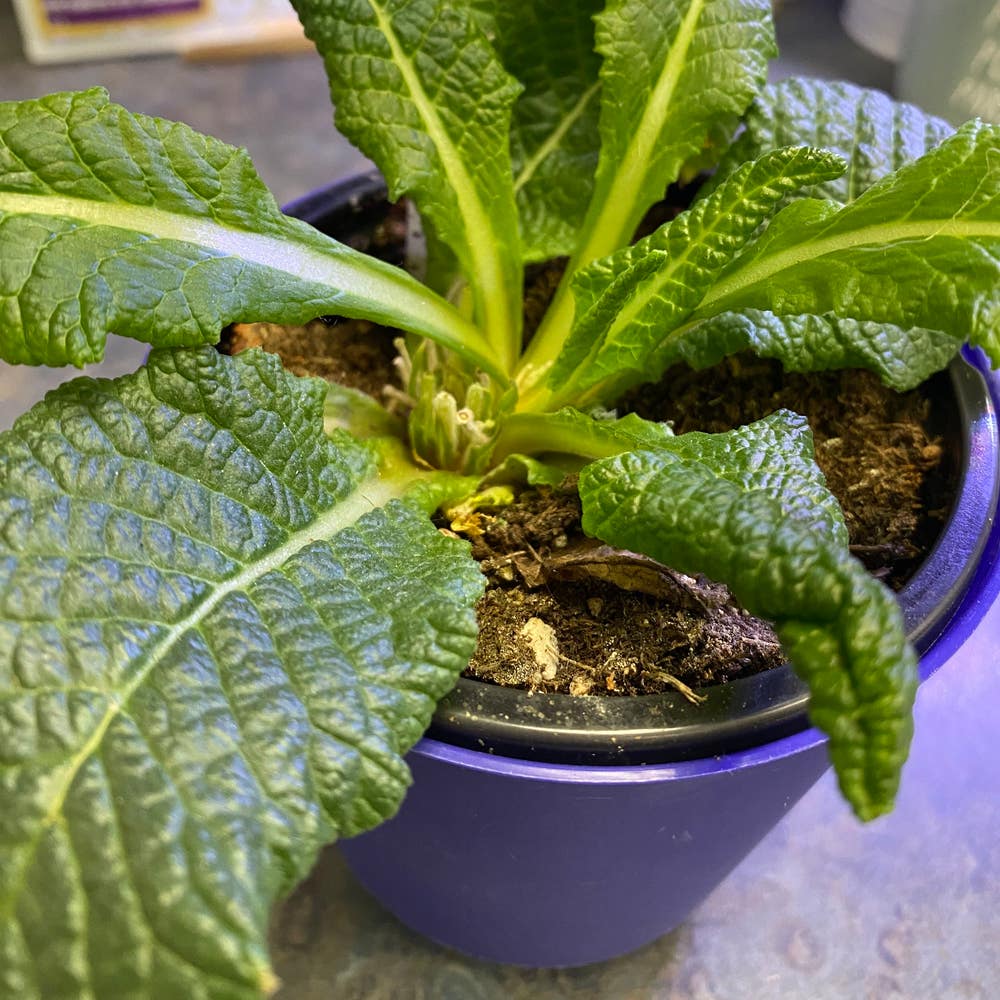
One of the most striking features of Primula obconica is its rosette growth form. This unique structure allows the plant to efficiently gather sunlight and moisture, making it well-suited for various environments.
Additionally, Primula obconica has developed several adaptations to thrive in different climates. Whether in cooler, shaded areas or warmer, sunnier spots, this plant can adjust its growth patterns to optimize survival.
Reproductive Strategies 🌼
When it comes to reproduction, Primula obconica employs both seed production and vegetative propagation. The plant produces seeds that can be dispersed to create new plants, ensuring its continuation.
Moreover, vegetative propagation allows Primula obconica to spread through offsets or divisions. This strategy not only enhances its survival but also contributes to its appeal in garden settings.
As we explore further, we'll delve into the lifecycle implications of these genetic and physiological traits.
Lifecycle Implications
🌱 Growth and Flowering Cycles
Primula obconica exhibits distinct seasonal growth patterns that set it apart from annuals. Unlike annuals that complete their life cycle in one season, this perennial plant can thrive for multiple years, showcasing its resilience and adaptability.
During the spring, Primula obconica bursts into bloom, often producing vibrant flowers that attract pollinators. As the seasons change, its growth slows, allowing it to conserve energy for the next cycle, a strategy that annuals simply cannot replicate.
🌼 Seed Production Compared to Annuals
When it comes to seed production, Primula obconica operates on a different timeline than annuals. While annuals may produce a large quantity of seeds in a short period, Primula obconica tends to produce seeds more gradually, allowing for a sustained reproductive strategy.
The timing of seed production is also influenced by environmental factors. For instance, warmer temperatures can trigger earlier flowering and seed set, ensuring that the plant maximizes its reproductive potential in favorable conditions.
🌍 Environmental Factors Affecting Behavior
Climate plays a crucial role in the growth and flowering of Primula obconica. Variations in temperature and moisture levels can significantly impact its lifecycle, affecting everything from flowering times to overall plant vigor.
To adapt to these environmental changes, Primula obconica has developed several strategies. For example, in cooler climates, it may enter a dormant phase during harsh winters, while in milder regions, it can continue to grow and flower, demonstrating its remarkable versatility.
As we explore the next section, we'll delve into common misconceptions surrounding Primula obconica and how these misunderstandings can affect gardening practices.
Common Misconceptions
🌱 Situations Where Treated as an Annual
Many gardeners mistakenly treat Primula obconica as an annual plant. This misconception often arises from its flowering patterns, which can resemble those of annuals, leading to premature assumptions about its lifecycle.
Understanding that Primula obconica is a perennial can change how you approach its care. Instead of replanting each year, you can focus on nurturing the same plants for multiple seasons.
🌡️ Variations in Growth Based on Climate and Care
The growth of Primula obconica is significantly influenced by temperature and humidity. In warmer climates, these plants may struggle, while cooler, more humid environments can promote lush growth.
Care practices also play a crucial role in their development. Proper watering, fertilization, and attention to light conditions can enhance their perennial nature, allowing them to thrive year after year.
By recognizing these factors, you can better appreciate the resilience of Primula obconica and adjust your gardening strategies accordingly. This understanding fosters a deeper connection with your plants and encourages a more sustainable gardening approach.
Garden Design and Planning
Advantages in Perennial Gardens 🌼
Perennial plants, like Primula obconica, offer numerous benefits in garden design. They provide year-after-year blooms, reducing the need for replanting and creating a stable, vibrant landscape.
Their aesthetic contributions are significant as well. With diverse colors and forms, perennials can enhance visual interest and create a lush, inviting atmosphere in any garden.
Planting Strategies for Maximizing Benefits 🌱
To maximize the benefits of perennials, consider ideal planting locations and conditions. Choose spots with adequate sunlight and well-drained soil to ensure healthy growth.
Timing is crucial for planting and transplanting. Early spring or fall are the best seasons to establish perennials, allowing them to acclimate before extreme temperatures set in.
Companion Planting 🌿
Companion planting can elevate your garden's success. Suitable companions for Primula obconica include other perennials that thrive in similar conditions, such as ferns or hostas.
Effective companion planting strategies involve grouping plants with complementary needs. This not only optimizes space but also enhances biodiversity, leading to a healthier garden ecosystem.
Transitioning from garden design to management tips, understanding how to care for your perennials will ensure their longevity and beauty.
Management Tips for Longevity
🌱 Best Practices for Caring as a Perennial
Caring for Primula obconica as a perennial involves understanding its specific watering and fertilization needs. Ensure the soil remains consistently moist but not waterlogged, as overwatering can lead to root rot.
Fertilize with a balanced, water-soluble fertilizer every four to six weeks during the growing season. This will support healthy growth and vibrant blooms.
🌦️ Seasonal Considerations
Adapting your care routine to the seasons is crucial for the longevity of your Primula obconica. In spring, focus on promoting growth by increasing watering frequency and applying a slow-release fertilizer.
As temperatures rise in summer, monitor soil moisture closely, especially during dry spells. In fall, reduce watering as the plant enters dormancy, and prepare for winter by mulching to protect the roots.
🐛 Troubleshooting Common Issues
Identifying and addressing common problems can significantly enhance the resilience of your Primula obconica. Watch for signs of pests, such as aphids or spider mites, which can weaken the plant.
If you notice yellowing leaves, it may indicate overwatering or nutrient deficiency. Adjust your care accordingly, and consider using organic pest control methods to maintain plant health.
By following these management tips, you can ensure that your Primula obconica thrives as a perennial, bringing beauty to your garden year after year.
Next, we will explore how to effectively incorporate these plants into your garden design for maximum impact.
⚠️ Safety First
This content is for general information and may contain errors, omissions, or outdated details. It is not medical, veterinary advice, or an endorsement of therapeutic claims.
Always consult a qualified healthcare professional before using any plant as food, medicine, or supplement.
Never eat any plant (or feed one to pets) without confirming its identity with at least two trusted sources.
If you suspect poisoning, call Poison Control (800) 222-1222, the Pet Poison Helpline (800) 213-6680, or your local emergency service immediately.
Spotted an error? Please report it here.
Ensure your Primula obconica thrives for years 🌼 by using Greg for personalized watering reminders and care tips that will keep your garden vibrant!