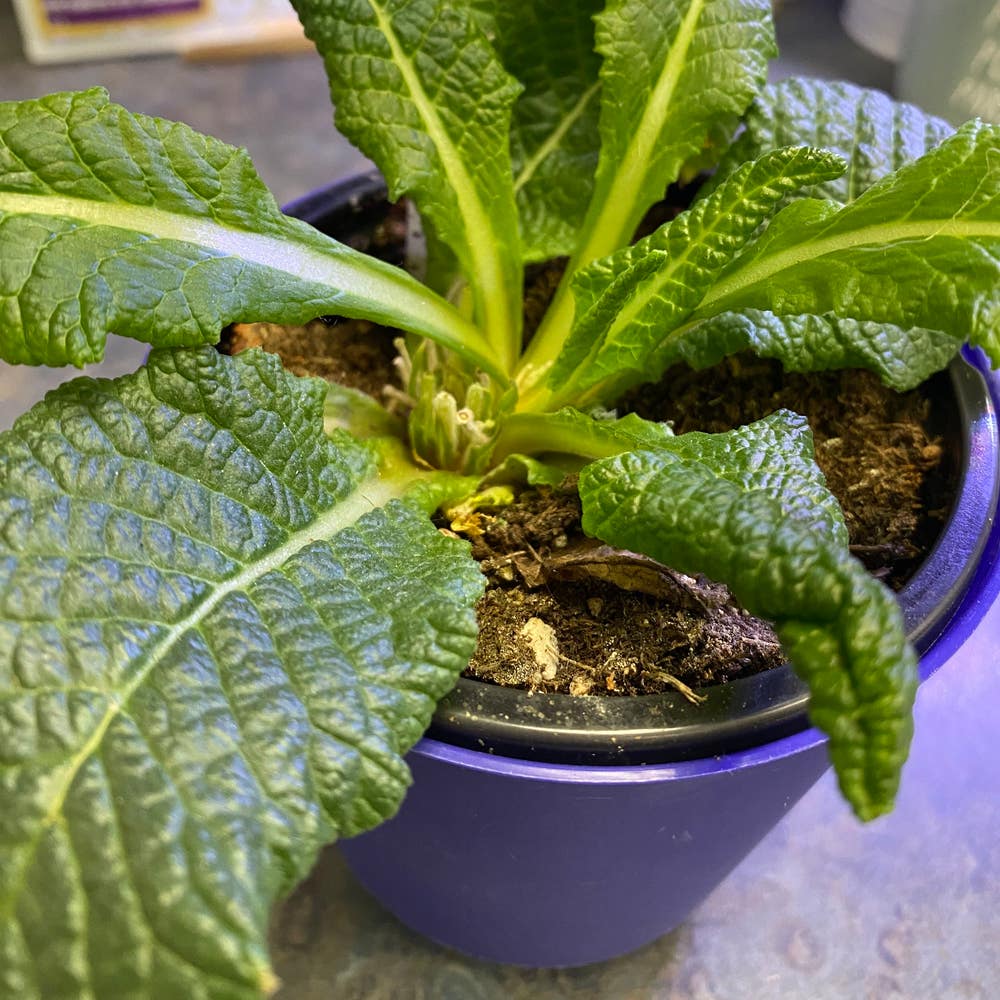
🌸 How to Fix Brown Spots on Your Primula obconica
Primula obconica
By the Greg Editorial Team
Jan 07, 2025•5 min read
This article was created with the help of AI so we can cover more plants for you. May contain errors. See one? Report it here.
Revive your Primula obconica and banish brown spots for good with these essential care tips! 🌱
- 🌧️ Brown spots arise from overwatering, underwatering, pests, or fungal infections.
- 🐛 Identify pests like aphids and spider mites causing discoloration.
- 🌱 Adjust watering and use fungicides to restore your Primula obconica's health.
Causes of Brown Spots
💧 Overwatering and Root Rot
Overwatering is a common culprit behind brown spots on your Primula obconica. Symptoms include yellowing leaves, mushy stems, and, of course, those pesky brown spots.
Root rot occurs when fungal pathogens thrive in waterlogged soil, leading to root decay. To prevent this, ensure your plant has well-draining soil and pots with drainage holes.
🚰 Underwatering and Leaf Stress
On the flip side, underwatering can also lead to brown spots. Signs of underwatering include wilting leaves, dry soil, and browning leaf edges.
When your Primula obconica lacks moisture, it experiences stress that can manifest as brown spots. Aim to keep the soil consistently moist but not soggy for optimal health.
🦠 Fungal Infections and Diseases
Fungal infections are another significant factor in the appearance of brown spots. Common diseases include leaf spot disease and powdery mildew.
Symptoms of these infections often present as dark brown or black spots and wilting leaves. High humidity and poor air circulation create ideal conditions for fungal growth, so keep an eye on your plant's environment.
🐛 Pest Infestations
Pests can wreak havoc on your Primula obconica, leading to brown spots as well. Common offenders include aphids, spider mites, and thrips.
You might notice discoloration, stippling, or brown spots on leaves as signs of pest damage. Regular monitoring and treatment are crucial to prevent infestations and keep your plant thriving.
Understanding these causes is the first step in addressing brown spots effectively. Next, we’ll explore how to diagnose these issues accurately.
Diagnosing Brown Spots
Identifying Symptoms 🌱
Diagnosing brown spots on your Primula obconica starts with observing key indicators. Look for leaf yellowing, soft stems, and inspect the roots for signs of rot.
Next, check the soil moisture. A moisture meter or a simple finger test can help you assess whether the soil is too dry or too wet.
Visual Symptoms of Fungal Infections 🍄
Fungal infections can manifest in distinct ways. Watch for dark spots accompanied by yellow halos and leaf curling, which indicate a potential problem.
Pest Damage Characteristics 🐛
Pest infestations can also lead to brown spots. Look for visible insects, webbing, or sticky residue on the leaves, as these are clear signs of pest damage.
By identifying these symptoms early, you can take action to restore your plant's health. Understanding the signs will empower you to tackle the issues effectively, ensuring your Primula obconica thrives.
Next, let’s explore treatment options to address these brown spots and keep your plant flourishing.
Treatment Options
🌊 Adjusting Watering Practices
To keep your Primula obconica thriving, it's crucial to adjust your watering practices. Water your plant when the top inch of soil feels dry to the touch, ensuring it receives just the right amount of moisture.
When watering, do so thoroughly until water drains from the bottom of the pot. This technique helps prevent both overwatering and underwatering, promoting healthy root development.
🦠 Applying Fungicides
If you suspect fungal infections, applying fungicides can be an effective treatment. Consider using organic options like neem oil or chemical fungicides, depending on your preference and the severity of the issue.
Always follow the label instructions for dosage and frequency to ensure safe and effective application. This step is vital for protecting your plant from further damage.
🐛 Treating Pests
Pest infestations can lead to brown spots and other damage on your Primula obconica. Recommended products for pest control include insecticidal soap or neem oil, both of which are effective against common pests.
For best results, spray directly on the affected areas and repeat the treatment every 7-10 days. Regular monitoring will help you catch any infestations early.
🌱 Fertilizing for Nutrient Deficiencies
Nutrient deficiencies can also contribute to brown spots, so fertilizing your plant is essential. Use a balanced NPK fertilizer, such as 10-10-10, to provide the necessary nutrients.
Apply fertilizer every 4-6 weeks during the growing season to keep your Primula obconica healthy and vibrant. This proactive approach will support its overall growth and resilience.
By implementing these treatment options, you can effectively address brown spots and ensure your Primula obconica flourishes. Next, let’s explore preventive measures to keep your plant healthy in the long run.
Preventive Measures
Best Practices 🌱
To keep your Primula obconica thriving, start with proper watering techniques. Use room temperature water and avoid overhead watering to minimize leaf stress.
Soil Moisture Monitoring 💧
Regularly check soil moisture levels to prevent extremes. This simple habit can save your plant from the perils of both overwatering and underwatering.
Recommended Soil Type 🌿
Opt for a well-draining potting mix enriched with organic matter. This type of soil promotes healthy root growth and prevents waterlogging.
Humidity-Boosting Methods 💦
Enhance humidity around your plant by using a humidity tray or misting the leaves regularly. Primula obconica loves a bit of moisture in the air!
Inspection Frequency 🔍
Make it a routine to check your plants weekly for early signs of issues. Early detection can make all the difference in maintaining a healthy, vibrant plant.
By implementing these best practices, you can significantly reduce the risk of brown spots and ensure your Primula obconica remains healthy and beautiful. Next, let’s explore the various treatment options available if you do encounter brown spots.
⚠️ Safety First
This content is for general information and may contain errors, omissions, or outdated details. It is not medical, veterinary advice, or an endorsement of therapeutic claims.
Always consult a qualified healthcare professional before using any plant as food, medicine, or supplement.
Never eat any plant (or feed one to pets) without confirming its identity with at least two trusted sources.
If you suspect poisoning, call Poison Control (800) 222-1222, the Pet Poison Helpline (800) 213-6680, or your local emergency service immediately.
Spotted an error? Please report it here.
Transform your Primula obconica from sad to spectacular 🌼 by using Greg's tailored watering alerts and care tips to keep those pesky brown spots at bay!