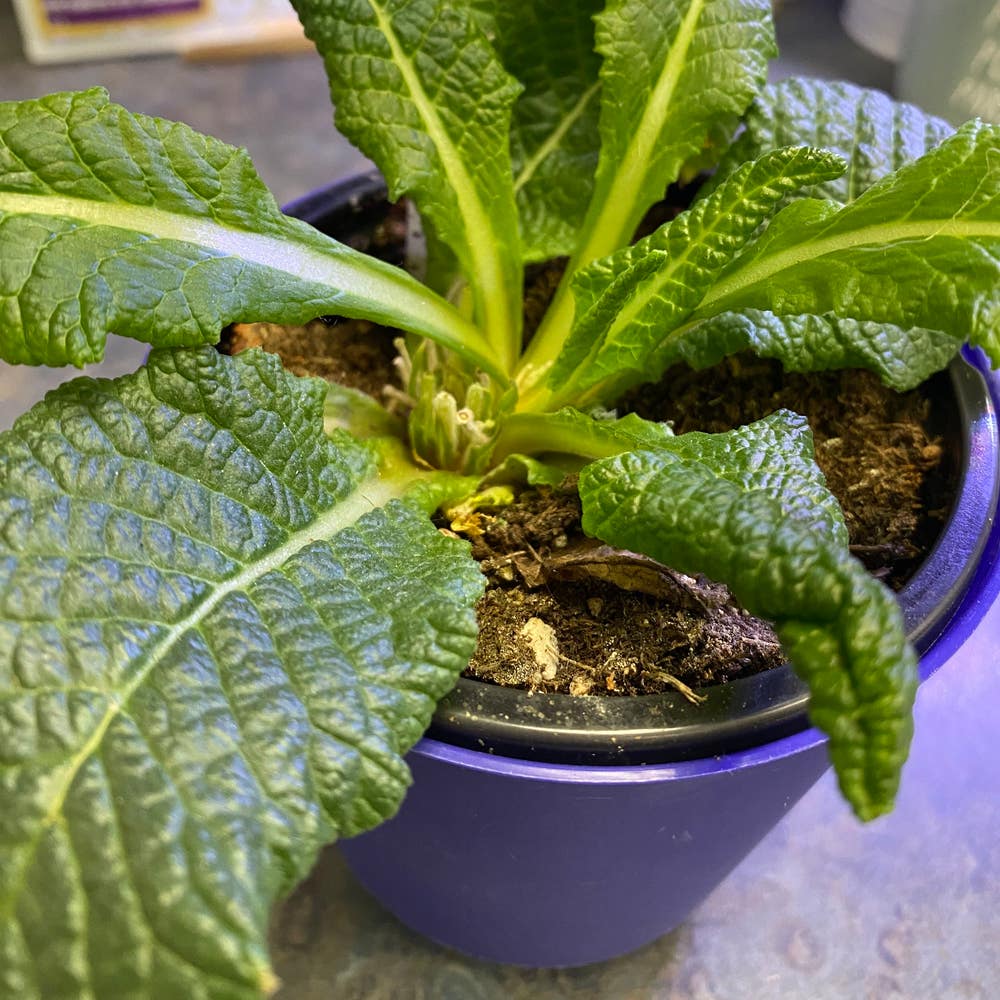
Ultimate Guide to Pruning Primula obconica 🌸
Primula obconica
By the Greg Editorial Team
Jan 07, 2025•4 min read
This article was created with the help of AI so we can cover more plants for you. May contain errors. See one? Report it here.
Unlock vibrant blooms for your Primula obconica 🌼 by mastering essential pruning and deadheading techniques today!
- 🌱 Prune Primula obconica in early spring and after flowering for best results.
- 🌼 Deadheading promotes new blooms; do it immediately after flowering for vibrant growth.
- ✂️ Use sanitized tools to prevent disease; proper care ensures plant health and beauty.
When to Prune
Best Seasons for Pruning 🌱
Pruning Primula obconica is best done in early spring, just before new growth starts. This timing allows you to shape the plant and remove any dead or damaged parts, setting the stage for a vibrant growing season.
Another ideal time to prune is after flowering. This encourages further blooming and helps maintain the plant's overall health and appearance.
Signs That Indicate When to Prune 🔍
Look for yellowing or wilting leaves as clear indicators that pruning is necessary. These signs suggest that the leaves are no longer contributing positively to the plant's health and should be removed.
Additionally, spent flowers signal it's time to deadhead. Tidying up these faded blooms not only enhances the plant's look but also promotes new growth.
Timing for Deadheading ⏰
Deadheading should be done immediately after flowering to stimulate new blooms. This practice redirects the plant's energy away from seed production and back into creating more flowers.
It's also beneficial to deadhead at regular intervals during the blooming season. This keeps the plant looking its best and encourages a longer flowering period.
By staying attentive to these signs and timings, you can ensure your Primula obconica thrives beautifully throughout its growing season.
How to Deadhead
🌼 Rationale for Deadheading
Deadheading is essential for keeping your Primula obconica blooming beautifully. By removing spent flowers, you redirect the plant's energy towards producing new blooms instead of seeds, ensuring a vibrant display throughout the season.
✂️ Step-by-Step Instructions
- Identify spent flowers: Look for wilted or brown blooms that have outlived their beauty.
- Use clean pruning shears: Always sanitize your tools to prevent any potential disease transmission.
- Cut the flower stem: Trim just above the first set of healthy leaves to encourage new growth.
- Dispose of removed flowers: Properly discard the spent blooms to minimize the risk of disease.
🌿 Benefits of Deadheading for Plant Health and Aesthetics
Deadheading not only promotes longer flowering periods but also enhances the overall visual appeal of your plant. Additionally, it reduces the risk of disease by eliminating decaying material, keeping your Primula obconica healthy and thriving.
By incorporating these deadheading techniques, you can enjoy a more vibrant and resilient garden. Now that you know how to deadhead effectively, let's explore some common pruning mistakes to avoid.
Common Pruning Mistakes
Mistakes to Avoid 🌪️
Pruning can be a delicate balance, and several common mistakes can hinder your Primula obconica's health.
- Over-pruning: Removing too much foliage can stress the plant, leading to stunted growth and fewer blooms.
- Pruning at the wrong time: Timing is crucial; improper pruning can disrupt flowering and overall growth.
- Not sterilizing tools: Failing to clean your pruning tools increases the risk of disease transmission, which can be detrimental to your plants.
How to Correct Pruning Errors 🔧
If you find yourself in a pruning predicament, don’t worry—there are ways to recover.
- Assess the extent of damage: Take a close look at your plant to determine if it can bounce back from your pruning mistakes.
- Adjust future pruning techniques: Learn from your errors and refine your approach for better results next time.
- Provide extra care: Support your plant's recovery with additional fertilization and consistent watering to help it regain strength.
By avoiding these common pitfalls and correcting any mistakes, you can ensure your Primula obconica thrives and continues to bloom beautifully. Now that you’re aware of what not to do, let’s explore how to care for your plants after pruning.
Post-Pruning Care
Care Tips After Pruning 🌱
After pruning your Primula obconica, it's crucial to provide the right care to help it bounce back. Start with watering; ensure the soil remains consistently moist but avoid waterlogging, which can lead to root rot.
Next, fertilization plays a key role in recovery. Apply a balanced fertilizer to give your plant the nutrients it needs to thrive after the stress of pruning.
Monitoring Plant Health Post-Pruning 👀
Keep a close eye on your plant's health following pruning. Check for new growth regularly; healthy foliage is a good sign that your plant is recovering well.
Additionally, watch for pests or diseases. Early detection is essential to prevent any issues from escalating and harming your plant.
Encouraging New Growth After Pruning 🌿
To encourage robust new growth, ensure your Primula obconica receives adequate light. Position it where it can soak up enough sunlight, as this is vital for its recovery.
Maintaining humidity is also important. Keeping the environment moist will support new growth and help your plant flourish after pruning.
With these care tips, your Primula obconica will be on its way to a vibrant recovery, ready to bloom beautifully once again.
⚠️ Safety First
This content is for general information and may contain errors, omissions, or outdated details. It is not medical, veterinary advice, or an endorsement of therapeutic claims.
Always consult a qualified healthcare professional before using any plant as food, medicine, or supplement.
Never eat any plant (or feed one to pets) without confirming its identity with at least two trusted sources.
If you suspect poisoning, call Poison Control (800) 222-1222, the Pet Poison Helpline (800) 213-6680, or your local emergency service immediately.
Spotted an error? Please report it here.
Prune your Primula obconica for vibrant blooms 🌼 and let Greg guide you with tailored reminders and expert tips to keep your plant thriving all year long!