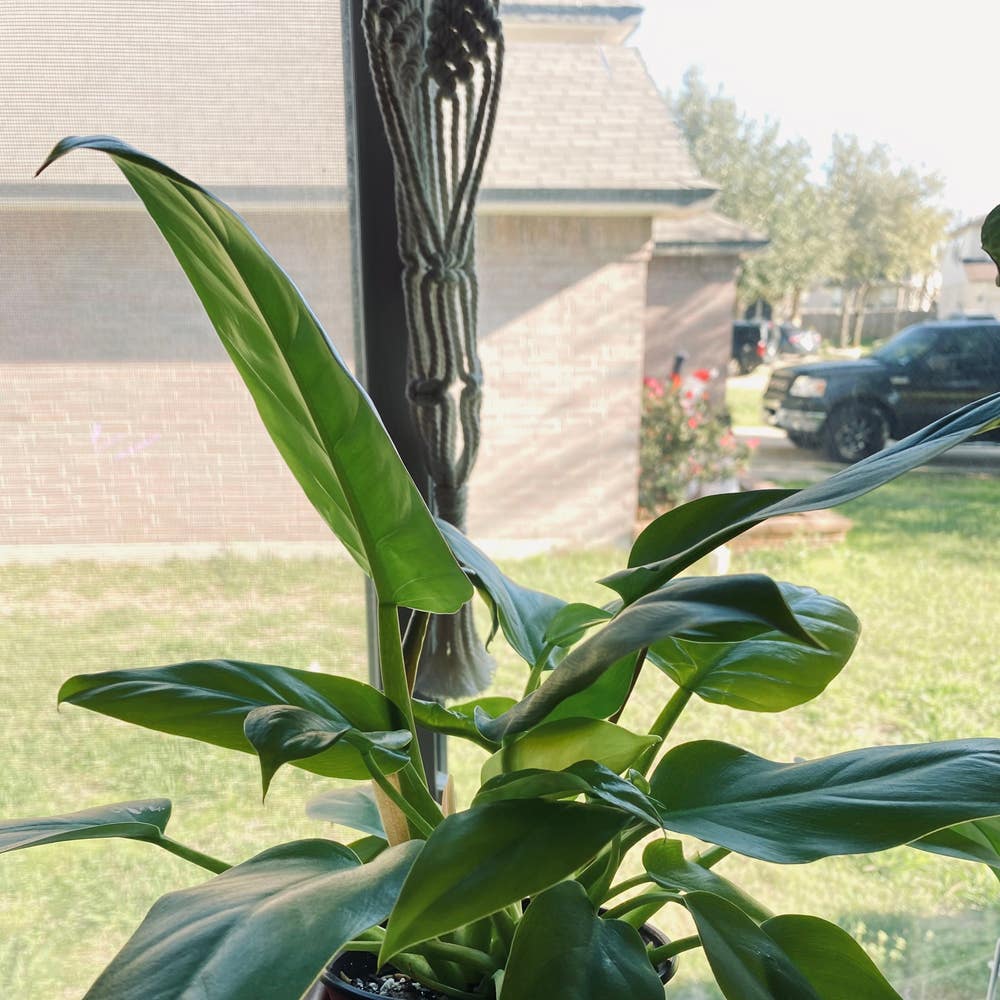
6 Perfect Spots to Plant Your Philodendron melinonii 🥄
Philodendron melinonii
By the Greg Editorial Team
Sep 30, 2024•5 min read
This article was created with the help of AI so we can cover more plants for you. May contain errors. See one? Report it here.
Transform your space with a flourishing Philodendron melinonii by mastering its sunlight and soil needs! 🌱
- 🌞 Philodendron melinonii thrives in 4-6 hours of indirect sunlight for optimal growth.
- 🌿 Adaptable to low-light conditions, it flourishes in partial shade indoors.
- 💧 Humidity is crucial; use humidifiers or pebble trays to maintain moisture.
Sunlight Exposure Requirements
Ideal Sunlight Conditions 🌞
Philodendron melinonii thrives in indirect sunlight, making it a versatile choice for various settings. Ideally, it should receive 4-6 hours of filtered sunlight daily; this ensures vibrant growth and lush foliage.
If your plant isn't getting enough light, you might notice stunted growth and smaller leaves. Keep an eye on these signs to adjust its placement as needed.
Shade Tolerance and Preferences 🌳
This plant is remarkably adaptable, thriving in partial shade, which makes it perfect for undercanopy planting. Whether in a garden or as an indoor plant, it can flourish in low-light rooms.
When placing your Philodendron, consider its proximity to taller plants that might block sunlight. A little planning goes a long way in ensuring your plant gets the light it needs to thrive.
With the right sunlight exposure, your Philodendron melinonii will flourish, setting the stage for the next crucial aspect: indoor versus outdoor planting considerations.
Indoor vs. Outdoor Planting Considerations
🌱 Indoor Planting
For indoor planting, position your Philodendron melinonii near east or west-facing windows. This placement ensures optimal light without the risk of direct sunlight, which can scorch the leaves.
Humidity is crucial for indoor plants. Consider using a humidifier or placing pebble trays filled with water nearby to maintain the moisture levels your plant craves.
🌳 Outdoor Planting
When planting outdoors, look for spots beneath taller trees or structures that provide dappled sunlight. This environment mimics the plant's natural habitat and protects it from harsh direct rays.
Temperature is another factor to consider. In cooler climates, ensure your Philodendron is shielded from frost, especially during winter months.
Seasonal adjustments are key for outdoor planting. Keep an eye on how light exposure changes with the seasons, and be ready to move your plant if necessary to optimize its growth.
With these considerations in mind, you can create the perfect environment for your Philodendron melinonii, whether indoors or outdoors. Next, let’s explore the soil and drainage needs essential for its health.
Soil and Drainage Needs
Ideal Soil Conditions 🌱
Philodendron melinonii thrives in well-draining, rich organic soil. A recommended mix is equal parts potting soil, peat moss, and perlite to create the perfect environment.
Soil pH ⚖️
Aim for a slightly acidic to neutral pH, ideally between 6.0 and 7.0. This balance ensures optimal nutrient availability for your plant.
Importance of Drainage and Aeration 🚰
Proper drainage is crucial to prevent root rot. Always ensure your pots or garden beds have drainage holes.
Enhancing Soil Structure 🪴
Incorporate mulch or organic matter to improve soil structure and retain moisture. This not only benefits your plant but also enriches the surrounding ecosystem.
Signs of Poor Drainage 🚨
Watch for yellowing leaves and wilting, even when you’ve watered adequately. These are clear indicators that your Philodendron may be struggling with drainage issues.
Conclusion 📜
Understanding soil and drainage needs is vital for the health of your Philodendron melinonii. With the right conditions, your plant will flourish, setting the stage for the next important consideration: microclimates and environmental factors.
Microclimates and Environmental Factors
🌤️ Identifying Microclimates
Microclimates are unique areas within your garden that experience different climate conditions compared to their surroundings. Factors such as shade from structures, wind patterns, and moisture levels can significantly influence these microclimates.
To identify them, observe temperature variations and humidity levels throughout the day. Noticing where the sun hits and where it doesn’t can help you find the best spots for your Philodendron melinonii.
🌬️ Wind Protection Strategies
Wind protection is crucial for maintaining the health of your plants. Strong winds can cause leaf damage and lead to moisture loss, which is detrimental to your Philodendron.
Consider planting near walls or fences, or using windbreaks like shrubs to shield your plants. Ensure that these support structures are stable and capable of withstanding strong gusts.
Understanding microclimates and implementing wind protection strategies will set the stage for successful planting. Next, let’s explore how proximity to other plants and structures can further enhance your gardening experience.
Proximity to Other Plants and Structures
🌱 Companion Planting
When planting your Philodendron melinonii, consider pairing it with other tropical plants like ferns and peace lilies. These companions not only thrive in similar conditions but also enhance humidity levels, creating a lush, vibrant environment.
However, steer clear of aggressive species that might compete for nutrients. This ensures your Philodendron has the best chance to flourish without unnecessary stress.
🏢 Considerations for Planting Near Structures
When positioning your Philodendron near walls or buildings, maintain a safe distance to allow for airflow. This helps prevent moisture buildup, which can lead to root rot.
It's also crucial to assess how nearby structures might cast shadows. Ensure that water runoff from these buildings doesn’t pool around your plant, as standing water can be detrimental to its health.
By carefully considering these factors, you can create an ideal environment for your Philodendron melinonii to thrive. Next, let’s explore how to assess and choose the best spot for your plant.
Assessing and Choosing the Best Spot
🌞 Evaluating Light and Soil Conditions
Finding the right spot for your Philodendron melinonii starts with assessing light and soil conditions.
- Observe sunlight patterns throughout the day to see how much light your chosen area receives.
- Test soil drainage by digging a small hole and filling it with water; it should drain within a few hours for optimal health.
- Check for existing plant health in the area to gauge soil quality; healthy plants indicate good conditions.
🍂 Seasonal Changes and Their Impact
Understanding seasonal variations is crucial for your plant's success. Light intensity and duration shift with the seasons, affecting growth.
- Adjust your plant's location as needed; consider moving pots indoors during winter or to sunnier spots in spring.
- Monitor surrounding plants as they grow; their expansion can impact light and space available for your Philodendron.
By carefully evaluating these factors, you can ensure your Philodendron melinonii thrives in its new home. Next, let’s explore how microclimates and environmental factors can further influence your planting decisions.
⚠️ Safety First
This content is for general information and may contain errors, omissions, or outdated details. It is not medical, veterinary advice, or an endorsement of therapeutic claims.
Always consult a qualified healthcare professional before using any plant as food, medicine, or supplement.
Never eat any plant (or feed one to pets) without confirming its identity with at least two trusted sources.
If you suspect poisoning, call Poison Control (800) 222-1222, the Pet Poison Helpline (800) 213-6680, or your local emergency service immediately.
Spotted an error? Please report it here.
Maximize your Philodendron melinonii's potential by using Greg's tailored care tips and reminders to find its perfect spot 🌿 for thriving growth!