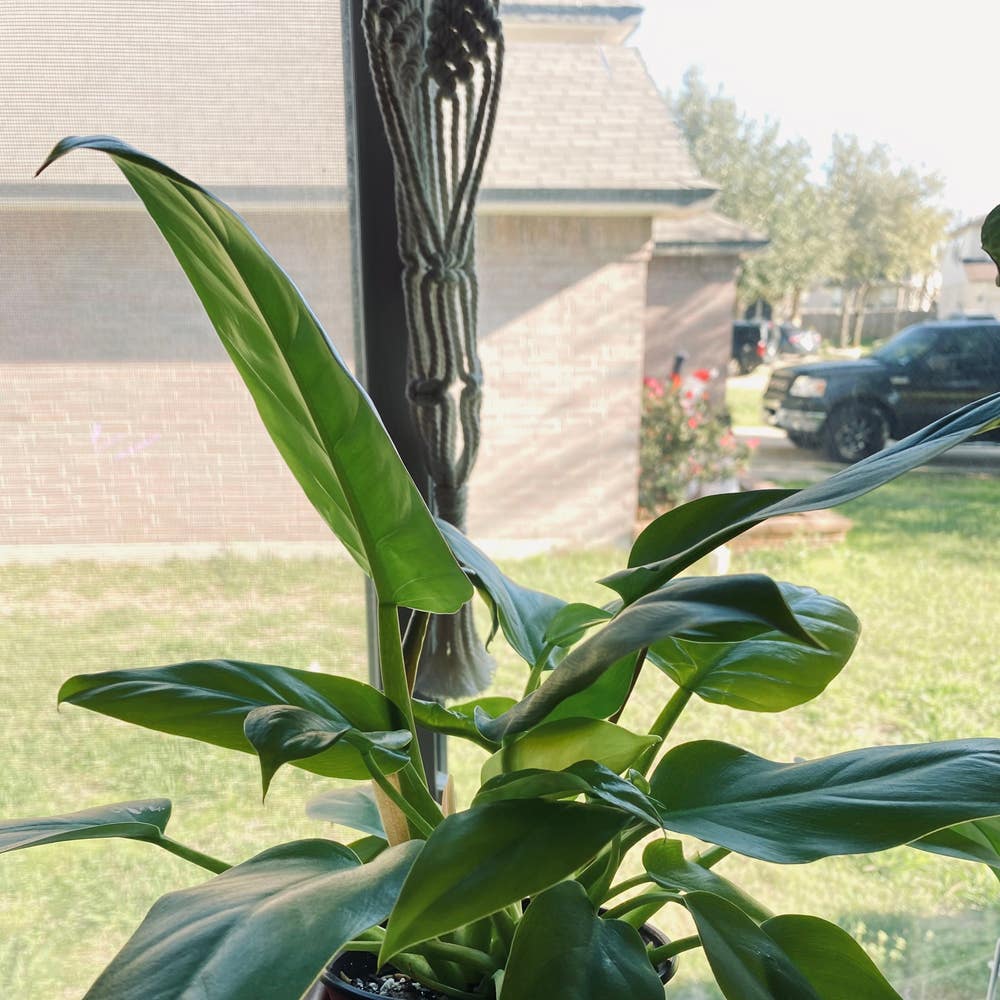
🪴 6 Top Pot Choices for Your Philodendron melinonii
Philodendron melinonii
By the Greg Editorial Team
Sep 30, 2024•5 min read
This article was created with the help of AI so we can cover more plants for you. May contain errors. See one? Report it here.
Unlock your Philodendron melinonii's full potential with the perfect pot choice! 🌱
- 🌱 Choose 4-6 inch pots for seedlings and 10-14 inch for mature Philodendron melinonii.
- 💧 Ensure pots have drainage holes to prevent waterlogging and root rot.
- 🏺 Select materials wisely: clay for humidity, avoid metal for heat retention.
Pot Sizes for Different Growth Stages
🌱 Recommended Sizes for Seedlings
For your Philodendron melinonii seedlings, opt for containers that are 4-6 inches in diameter. Smaller pots are crucial as they encourage robust root development while preventing excess soil moisture, which can lead to root rot.
🌳 Ideal Sizes for Mature Plants
As your plant matures, transition to pots that are 10-14 inches in diameter. Larger pots provide ample space for root expansion and support the climbing habit that this species is known for, ensuring your plant thrives as it grows.
Choosing the right pot size at each growth stage is essential for the health and vitality of your Philodendron melinonii. With the right container, you set the stage for a flourishing plant that can reach its full potential.
Pot Materials
🌱 Benefits of Clay Pots
Clay pots are a fantastic choice for your Philodendron melinonii. Their breathability allows for essential air circulation to the roots, promoting healthy growth.
Additionally, clay pots help retain moisture, which is crucial for maintaining humidity levels around your plant. This is especially beneficial in drier environments.
🪴 Advantages of Plastic Pots
Plastic pots offer a lightweight alternative, making them easier to move and reposition as needed. This flexibility is great for those who like to rearrange their plant displays.
Moreover, plastic pots are generally more cost-effective than their clay counterparts. This affordability makes them a popular choice for many plant enthusiasts.
🏺 Comparison of Other Materials
Ceramic pots can add aesthetic appeal to your space, but they often come with a downside. They tend to be heavier and can retain moisture more than desired, which may not suit all plants.
On the other hand, metal pots are typically not recommended for Philodendron melinonii. They can retain heat and may rust, creating an unsuitable environment for your plant's roots.
In summary, choosing the right pot material is essential for the health of your Philodendron melinonii. Consider your plant's needs and your personal style when making your selection.
Next, let’s dive into the importance of drainage considerations for your pot choice.
Drainage Considerations
Importance of Drainage Holes 🌊
Drainage holes are crucial for the health of your Philodendron melinonii. They prevent waterlogging, which can lead to root rot, and encourage healthy root growth by allowing excess water to escape.
How to Ensure Proper Drainage 🚰
To ensure proper drainage, choose pots with multiple drainage holes. This design allows for efficient water flow and prevents stagnant moisture.
Additionally, consider adding a drainage layer at the bottom of the pot. Using gravel or stones can create a barrier that helps excess water move away from the roots, promoting a healthier environment for your plant.
With these drainage considerations in mind, your Philodendron melinonii will thrive, setting the stage for a successful repotting experience.
Repotting Philodendron melinonii
🕵️♂️ Signs That It's Time to Repot
Recognizing when to repot your Philodendron melinonii is crucial for its health. Look for roots growing out of drainage holes or circling the pot, which are clear indicators that your plant is root-bound.
Another sign is stunted growth. If you notice a lack of new leaves or a slow growth rate, it’s time to consider a new pot.
🛠️ Step-by-Step Guide to Repotting
Repotting may seem daunting, but it’s straightforward. Follow these steps for a successful transition:
- Prepare new pot: Ensure it has drainage holes and is the appropriate size.
- Remove the plant: Gently loosen the root ball from the old pot.
- Inspect roots: Trim any damaged or rotting roots.
- Add potting soil: Fill the new pot with well-draining potting mix.
- Position the plant: Center the root ball and fill in around it with soil.
- Water thoroughly: Ensure the soil is moist but not waterlogged.
🪴 Choosing the Right Pot During Repotting
Selecting the right pot is essential for your plant's future growth. Consider the growth stage; match the pot size to your Philodendron's current needs.
Also, evaluate the material. Choose based on humidity levels and your aesthetic preferences. A well-chosen pot can enhance both the plant's health and your space.
By keeping these tips in mind, you can ensure your Philodendron melinonii thrives in its new home. Next, let’s explore common mistakes in pot selection to avoid pitfalls in your plant care journey.
Common Mistakes in Pot Selection
Overpotting vs. Underpotting 🌱
Choosing the right pot size is crucial for your Philodendron melinonii. Overpotting can lead to water retention, increasing the risk of root rot; it’s best to select a pot that is only slightly larger than the current one.
On the flip side, underpotting restricts growth. If your plant's roots are cramped, it can lead to root-bound conditions, stunting its development. Always ensure there’s adequate space for roots to spread.
Ignoring Drainage Needs 🚰
Never underestimate the importance of drainage. Always prioritize pots with sufficient drainage holes to maintain your plant's health and prevent waterlogging.
Regular checks on drainage effectiveness are essential. If you notice water pooling at the bottom, it might be time to reassess your potting situation and make necessary adjustments.
By avoiding these common mistakes, you can create a thriving environment for your Philodendron melinonii. Next, let’s dive into the essential drainage considerations to keep your plant happy and healthy.
⚠️ Safety First
This content is for general information and may contain errors, omissions, or outdated details. It is not medical, veterinary advice, or an endorsement of therapeutic claims.
Always consult a qualified healthcare professional before using any plant as food, medicine, or supplement.
Never eat any plant (or feed one to pets) without confirming its identity with at least two trusted sources.
If you suspect poisoning, call Poison Control (800) 222-1222, the Pet Poison Helpline (800) 213-6680, or your local emergency service immediately.
Spotted an error? Please report it here.
Ensure your Philodendron melinonii thrives 🌱 by using Greg's tailored potting advice and reminders to create the perfect home for your plant!