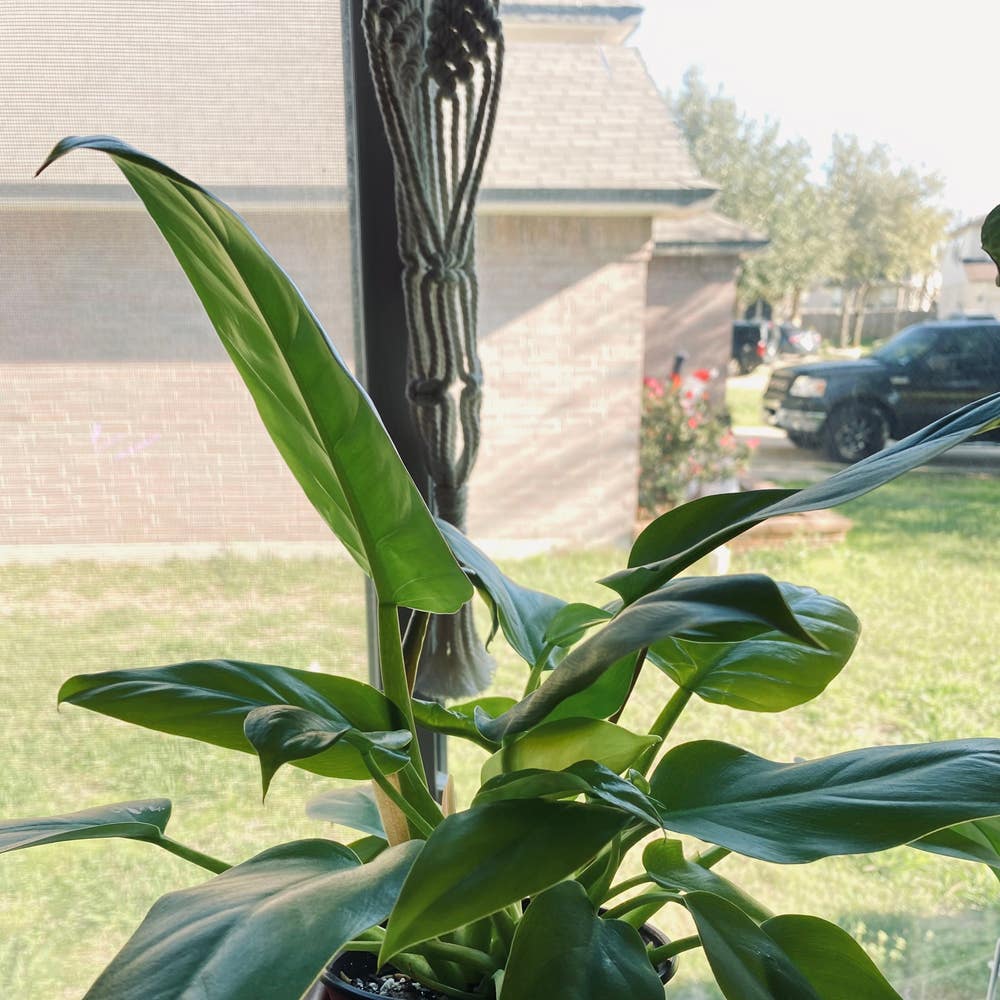
4 Facts About Philodendron melinonii Pollination 🐝
Philodendron melinonii
By the Greg Editorial Team
Sep 30, 2024•6 min read
This article was created with the help of AI so we can cover more plants for you. May contain errors. See one? Report it here.
Cultivate resilient Philodendron melinonii 🌱 by mastering cross-pollination for a thriving garden ecosystem! 🌼
- 🌼 Philodendron melinonii thrives on cross-pollination, boosting genetic diversity and plant health.
- 🐝 Bees, butterflies, and hummingbirds are key pollinators, attracted by vibrant colors and nectar.
- 🌱 Creating a pollinator-friendly garden enhances pollination success and supports local ecosystems.
Self-Pollination vs. Cross-Pollination
🌱 Determining Pollination Type
Philodendron melinonii primarily relies on cross-pollination for reproduction. This method not only enhances genetic diversity but also boosts adaptability, allowing the species to thrive in various environments.
🌼 Importance for Optimal Plant Health
Pollination is essential for producing viable seeds, which contribute significantly to genetic diversity. Healthy pollination practices lead to increased fruit and seed production, resulting in a more robust and resilient plant.
Cross-pollination fosters a dynamic gene pool, which is crucial for the plant's long-term survival. By encouraging diverse genetic traits, Philodendron melinonii can better withstand environmental changes and pests.
In summary, understanding the importance of cross-pollination can help gardeners and plant enthusiasts cultivate healthier plants. This knowledge paves the way for improved gardening practices and a deeper appreciation for the natural world.
Flower Structure
Description of Flower Characteristics 🌸
Philodendron melinonii features a striking inflorescence, which consists of a spadix enveloped by a spathe. This unique structure not only provides visual appeal but also plays a crucial role in the plant's reproductive success.
The flowers come in various colors, including green, cream, and pink. These vibrant hues are not just for show; they attract pollinators, ensuring the plant's survival and reproduction.
Role in Facilitating Pollination 🐝
The distinctive structure of Philodendron melinonii flowers is designed to attract specific pollinator species. The arrangement of stamens and pistils within the flower optimizes the chances of successful pollination.
Flower morphology is vital in the pollination process. It influences how effectively the plant can lure in pollinators, which is essential for producing viable seeds and maintaining genetic diversity.
Understanding these characteristics can deepen your appreciation for this remarkable plant and its role in the ecosystem. As we explore further, we'll delve into the pollination process and the fascinating interactions between Philodendron melinonii and its pollinators.
Pollination Process
Identification of Primary Pollinators 🐝
Philodendron melinonii attracts a variety of primary pollinators, including bees, butterflies, moths, and hummingbirds. Each of these species plays a unique role in the pollination process, ensuring the plant's reproductive success.
Bees: These industrious insects are drawn to the flower's vibrant colors and sweet scents. As they collect nectar, they inadvertently transfer pollen from one flower to another, facilitating cross-pollination.
Butterflies: With their delicate wings and keen sense of smell, butterflies are attracted to the bright hues of the spathes. They help pollinate while feeding on nectar, making them essential for the plant's reproductive cycle.
Moths: Nocturnal moths are particularly attracted to the floral scents released at night. Their nighttime visits ensure that pollination occurs even when other pollinators are inactive.
Hummingbirds: These agile birds are drawn to the flower's color and nectar. Their hovering ability allows them to access the flower's reproductive parts, promoting effective pollination.
Attraction Strategies for Pollinators 🎯
Philodendron melinonii employs various strategies to attract its pollinators. Visual and olfactory cues play a significant role in this process.
Visual Cues: The plant's colorful flowers serve as a beacon for pollinators. Bright greens, creams, and pinks not only catch the eye but also signal the presence of nectar.
Olfactory Cues: The sweet fragrance emitted by the flowers is irresistible to many pollinators. This scent acts as a guide, leading them to the nectar-rich blooms.
Nectar production is another crucial factor in enticing pollinators. The sugary reward encourages frequent visits, enhancing the chances of successful pollination.
Understanding these interactions can deepen our appreciation for the delicate balance of nature. By fostering a pollinator-friendly environment, we can support the health of Philodendron melinonii and its vital pollinators.
As we explore the next section, we’ll delve into the fascinating world of hand pollination and how to effectively replicate these natural processes.
Hand Pollination
Step-by-Step Instructions for Hand Pollination 🌼
Hand pollination can be a rewarding process for nurturing your Philodendron melinonii. Follow these simple steps to ensure successful fertilization:
- Identify mature flowers ready for pollination. Look for flowers that have fully opened and show signs of pollen.
- Collect pollen using a small brush or cotton swab. Gently brush the stamens to gather the yellow pollen grains.
- Transfer pollen to the stigma of the female flower. Carefully apply the pollen to ensure it reaches the receptive part of the flower.
- Monitor for signs of successful fertilization. Keep an eye on the flowers for changes, such as swelling or color changes, indicating that fertilization has occurred.
Identifying Male and Female Flower Parts 🌸
Understanding the anatomy of your plant's flowers is crucial for effective hand pollination.
- Male parts (stamens) produce pollen and are typically slender and elongated.
- Female parts (pistils) are usually located at the center and are characterized by a sticky stigma that captures pollen.
Look for the distinct shapes and positions of these parts to identify them easily.
Timing for Successful Fertilization ⏰
Timing is everything when it comes to hand pollination.
- The best time of day for this task is early morning, when flowers are most receptive and pollen is fresh.
- Be aware of seasonal variations that may affect flowering times. Different seasons can influence when your Philodendron melinonii blooms, so adjust your pollination efforts accordingly.
By mastering these techniques, you can enhance the reproductive success of your Philodendron melinonii and contribute to its overall health.
Next, let’s explore how to create a pollinator-friendly environment that supports these beautiful plants.
Supporting Pollinators
🌼 Creating a Pollinator-Friendly Environment
To attract pollinators, consider planting native flowers that thrive in your region. These plants not only provide food sources but also create a welcoming habitat for bees, butterflies, and other beneficial insects.
Providing water sources, such as shallow dishes or birdbaths, can further entice pollinators to your garden. Remember, avoiding pesticides is crucial; these chemicals can harm the very insects you aim to attract.
🌻 Companion Plants to Attract Beneficial Pollinators
Certain companion plants can significantly enhance pollinator activity around Philodendron melinonii. For instance, marigolds, lavender, and coneflowers are excellent choices.
These plants not only offer nectar and pollen but also create a more inviting habitat. By incorporating them into your garden, you can foster a vibrant ecosystem that supports pollinator populations.
🐝 Pollination Challenges
Common Obstacles to Successful Pollination
Environmental factors can pose significant challenges to successful pollination. Temperature fluctuations and high humidity can disrupt the delicate balance needed for effective pollination.
Additionally, habitat loss has a profound impact on pollinator populations. As natural spaces shrink, the resources available to these essential creatures diminish.
Solutions for Overcoming Environmental Challenges
To mitigate these environmental factors, consider creating microclimates in your garden. Shade cloth can help regulate temperature and protect plants from extreme conditions.
Enhancing pollinator habitats can be achieved both indoors and outdoors. Simple actions, like adding more plants or providing shelter, can make a world of difference for pollinators.
By fostering a supportive environment, you not only help Philodendron melinonii thrive but also contribute to the overall health of local ecosystems.
⚠️ Safety First
This content is for general information and may contain errors, omissions, or outdated details. It is not medical, veterinary advice, or an endorsement of therapeutic claims.
Always consult a qualified healthcare professional before using any plant as food, medicine, or supplement.
Never eat any plant (or feed one to pets) without confirming its identity with at least two trusted sources.
If you suspect poisoning, call Poison Control (800) 222-1222, the Pet Poison Helpline (800) 213-6680, or your local emergency service immediately.
Spotted an error? Please report it here.
Unlock the secrets of Philodendron melinonii pollination 🌼 and let Greg guide you with tailored tips and reminders to create a thriving, pollinator-friendly environment for your plants!