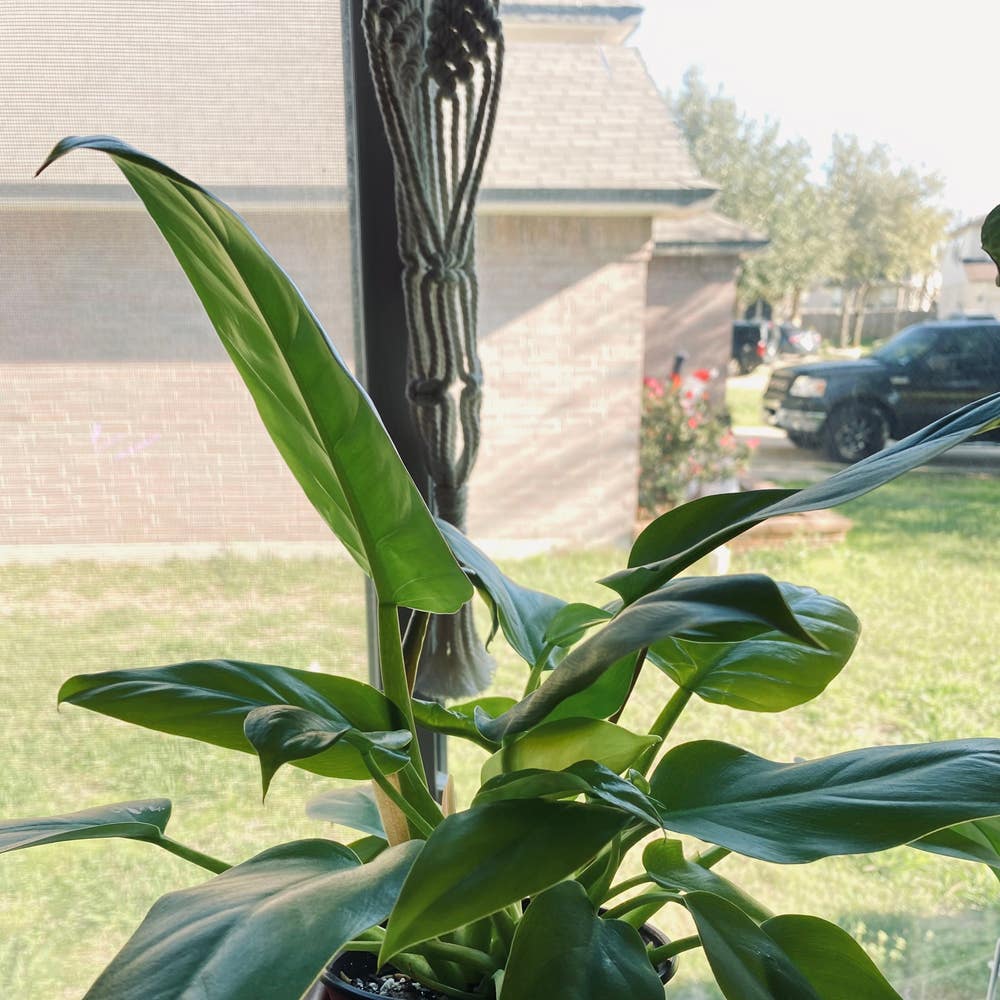
How Can You Tell If A Philodendron melinonii Is Dying?
Philodendron melinonii
By the Greg Editorial Team
Jun 18, 2024•3 min read
This article was created with the help of AI so we can cover more plants for you. May contain errors. See one? Report it here.
Rescue your wilting Philodendron melinonii 🌿 by decoding its SOS signals and applying life-saving care tips!
- 🍂 Yellow, wilting, browning leaves signal watering issues; check soil dryness before watering.
- 🌡️ Consistent temperature and indirect light are key to avoiding light and temperature stress.
- 🐞 Inspect for pests and fungus regularly; use neem oil and improve airflow for prevention.
Water Woes: Too Much, Too Little, Just Confused?
💧 Signs of Watering Issues
Yellowing leaves are the plant's distress call; they're not just trying a new color for fall. Wilting leaves are your Philodendron melinonii waving a white flag, and browning tips are its way of saying, "I'm parched over here!" Mushy stems? That's the handshake of a plant that's had one too many.
💦 The Right Sip: Balancing Your Watering Routine
Forget the calendar; your plant doesn't know it's Wednesday. Check the soil before you water. If it's damp, skip the drink. If it's dry, it's time to quench that thirst. Think of watering like a good coffee brew—just the right amount to wake up without the jitters. Overwatered? Let the soil dry like a sunbather. Underwatered? Give it a slow, steady spa treatment. Remember, consistency is your new mantra.

Light and Temperature Tango
🍃 Reading the Leaves: Light and Temperature Stress Signals
Leaf scorching is your Philodendron melinonii crying out for shade. Brown, crispy patches scream "too hot!" while stunted growth whispers "I'm cold." These are your cues to reassess your plant's position and the ambient temperature.
🌟 Setting the Stage: Ideal Light and Warmth
To prevent further stress, aim for a bright, indirect light setup. Avoid direct sunlight that can bake the leaves to a crisp. Keep temperatures consistent, steering clear of chilly drafts and sweltering heat sources. Think of your plant's ideal environment as a cozy, temperate haven.

Uninvited Guests: Tackling Pests
🐜 Spotting the Critters
Pests are stealthy invaders. They can turn your Philodendron melinonii into a battleground. Spider mites create fine webbing, especially under leaves. Mealybugs leave a cotton-like residue, and both can cause leaf discoloration and wilting. Regular inspections are crucial for early detection.
🪲 Pest Control: Show Them the Door
Once you've spotted these freeloaders, it's time for action. Neem oil and insecticidal soap are your go-to weapons. Apply thoroughly, focusing on the undersides of leaves where pests lay eggs. Introducing natural predators, like ladybugs, can also help keep the peace. Remember, consistency is key in keeping pests from crashing the party again.

Fungus Among Us: Mold and Root Rot
🍄 Spotting Fungal Foes and Root Rot
Mold and root rot in your Philodendron melinonii are like unwanted houseguests; they show up unannounced and wreak havoc. White or yellow mold on the soil surface screams too much moisture. If you find mushrooms popping up, it's not a fairy tale—it's a moisture issue. And when roots turn dark and squishy, it's an SOS call for root rot. Don't ignore wilting or yellowing leaves; these are the silent alarms of an underlying fungal invasion.
🍄 Fungus Fix: Clearing the Air and Soil
To evict these fungal foes, start with airflow—your plant needs to breathe, not drown. Cut back on watering; your plant's no fish. If the soil's more swamp than land, repot with a mix that drains like a dream. Sanitize your tools before and after you trim the rotten roots; cleanliness isn't just for show, it's survival. And if you're in deep with decay, a fungicide could be your knight in shining armor—just make sure it's the right one for your green buddy.
⚠️ Safety First
This content is for general information and may contain errors, omissions, or outdated details. It is not medical, veterinary advice, or an endorsement of therapeutic claims.
Always consult a qualified healthcare professional before using any plant as food, medicine, or supplement.
Never eat any plant (or feed one to pets) without confirming its identity with at least two trusted sources.
If you suspect poisoning, call Poison Control (800) 222-1222, the Pet Poison Helpline (800) 213-6680, or your local emergency service immediately.
Spotted an error? Please report it here.
Revive your Philodendron melinonii by letting Greg's intuitive reminders 🌱 keep your plant care on track, from watering to warding off pests.