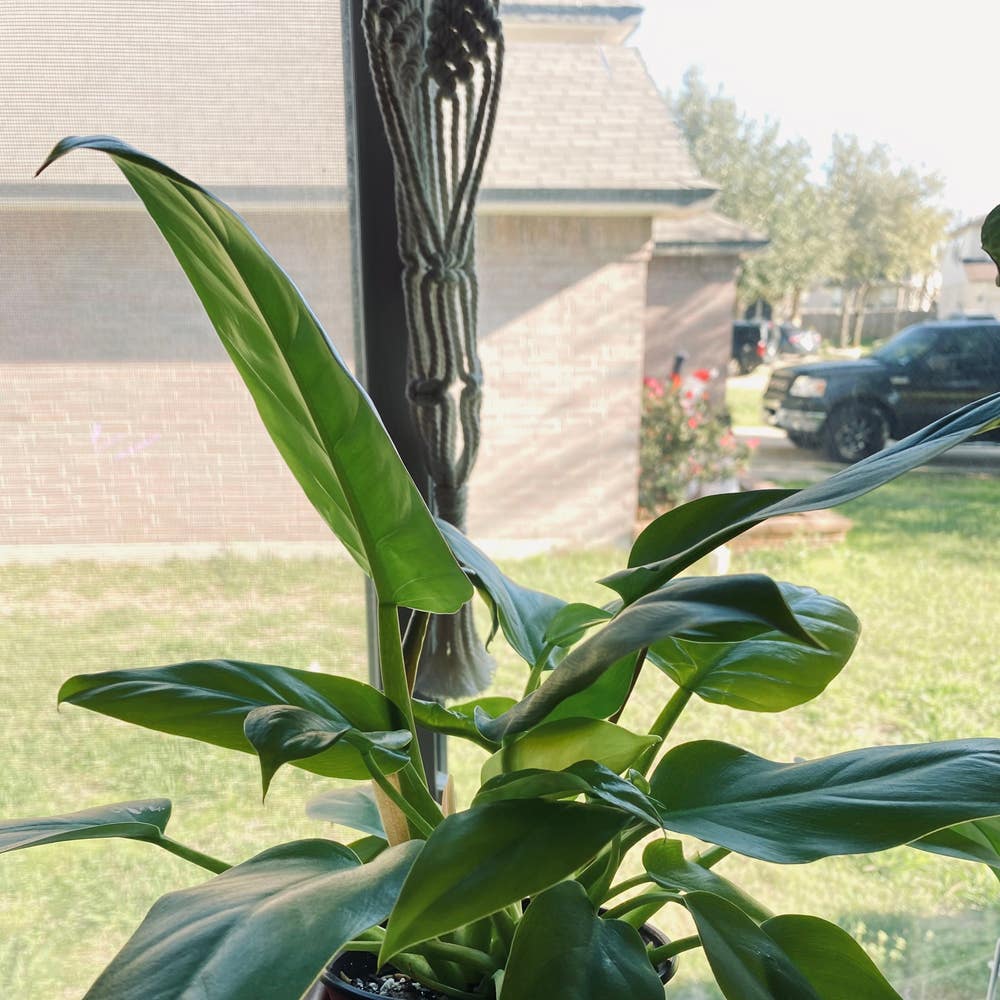
Why Are My Philodendron melinonii Leaves Droopy?
Philodendron melinonii
By the Greg Editorial Team
Jun 18, 2024•5 min read
This article was created with the help of AI so we can cover more plants for you. May contain errors. See one? Report it here.
Perk up your wilted Philodendron 🌿 by pinpointing the cause and mastering its care!
- Droopy leaves signal distress, like over/underwatering or environmental issues.
- 🌱 Check soil moisture with a meter or finger test for proper watering.
- Adjust light, humidity, temperature for a perky Philodendron melinonii.
Spotting the Signs: Is Your Philodendron Under the Weather?
🌿 Visual cues of droopiness
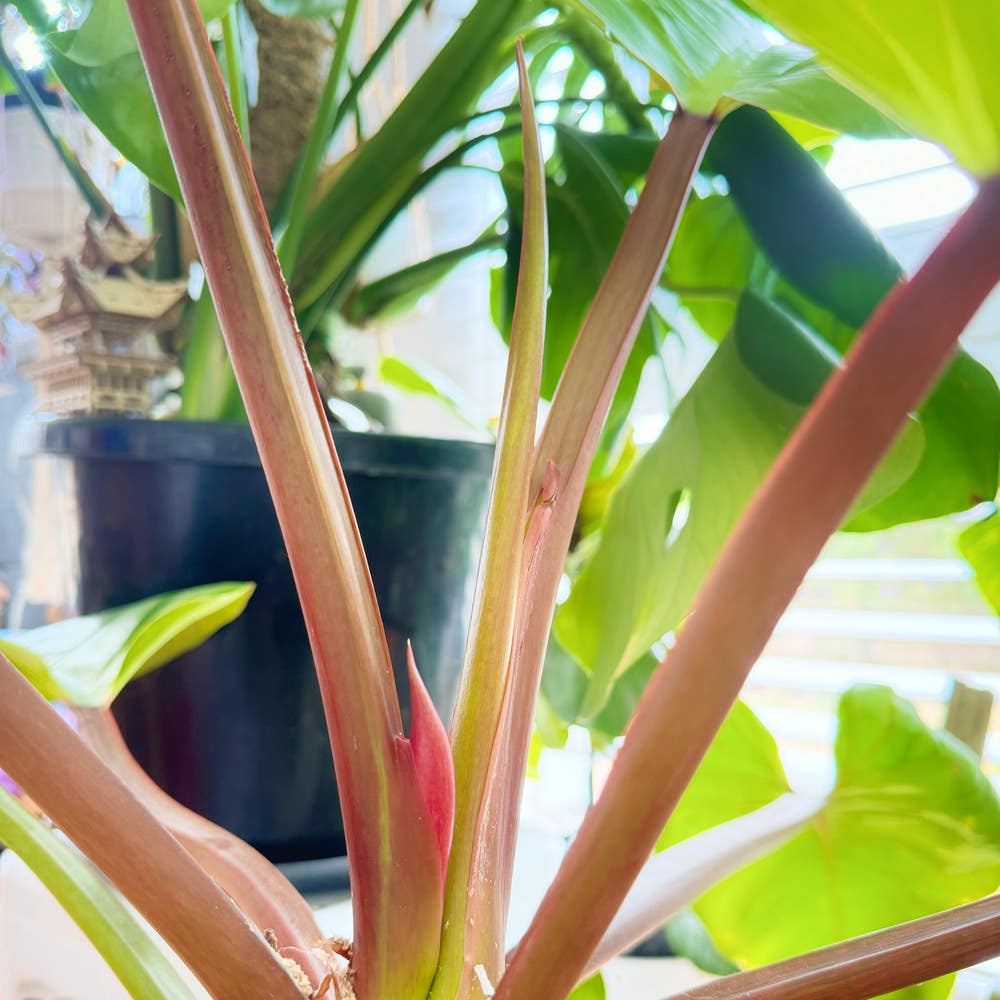
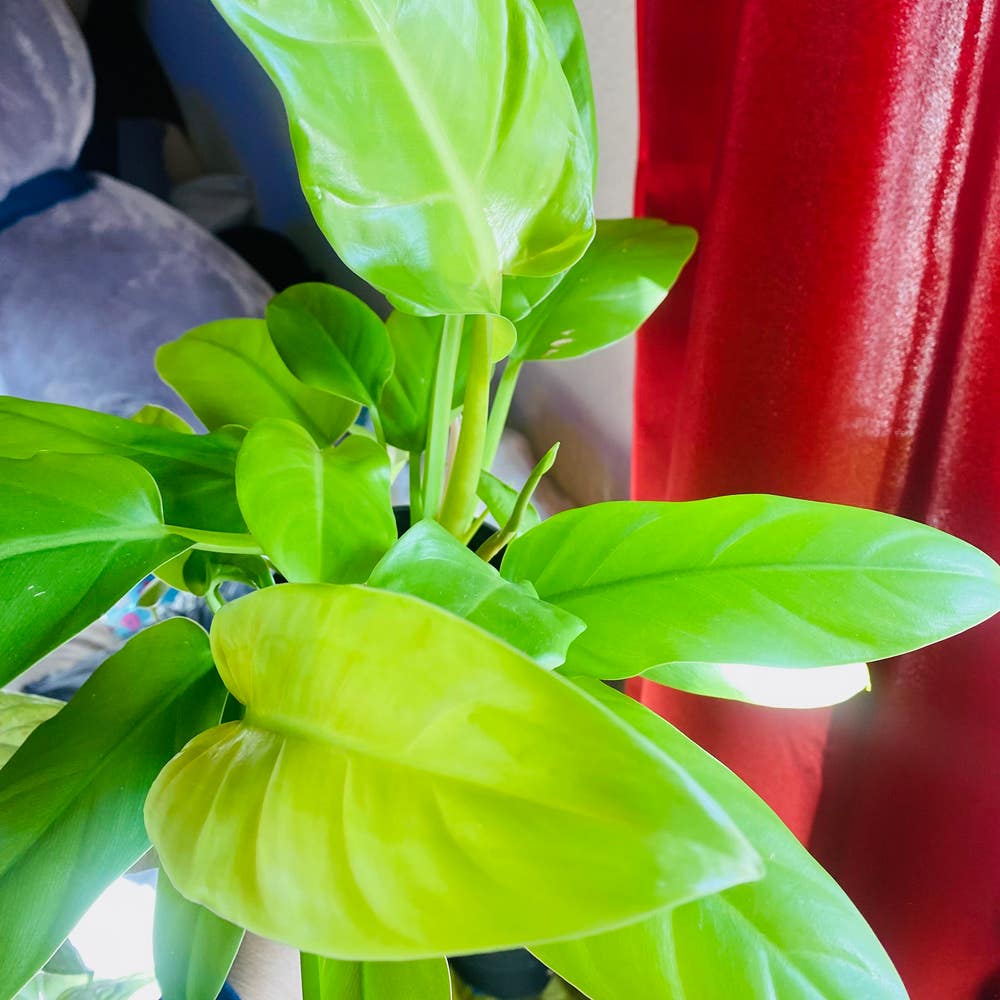
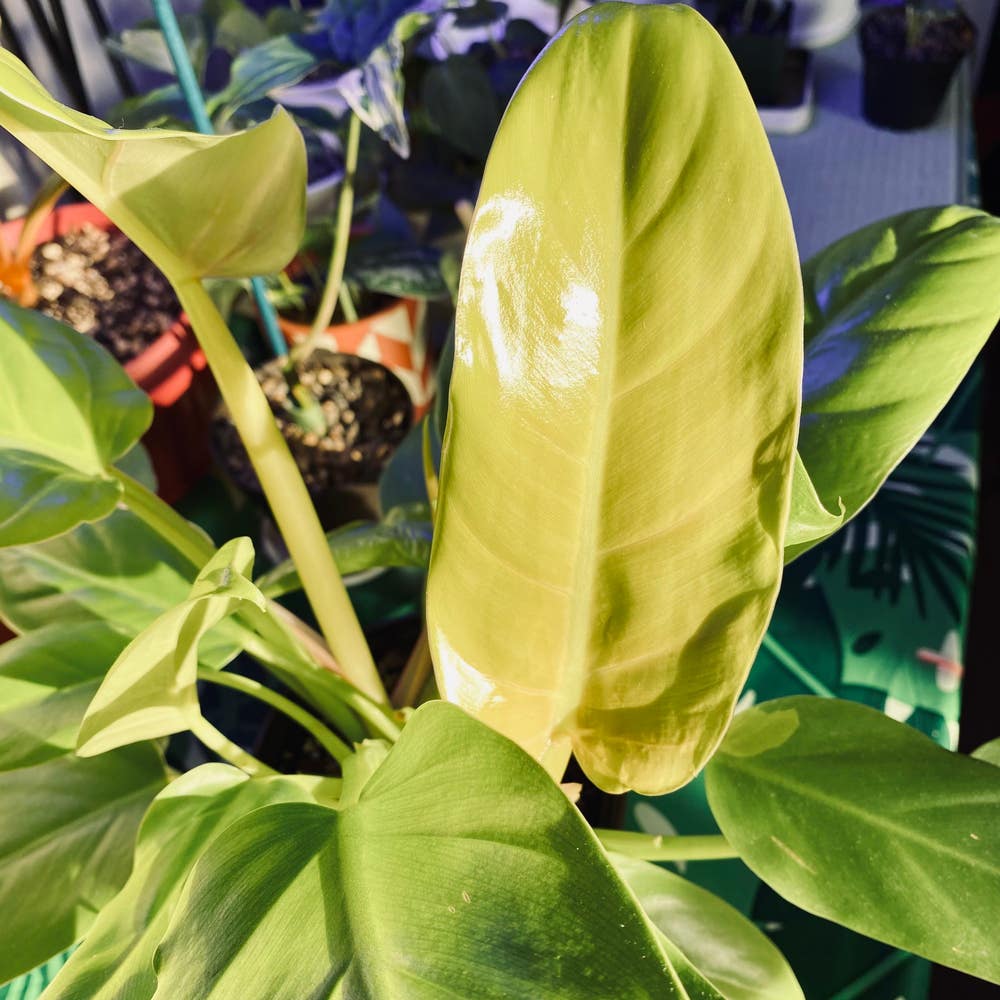
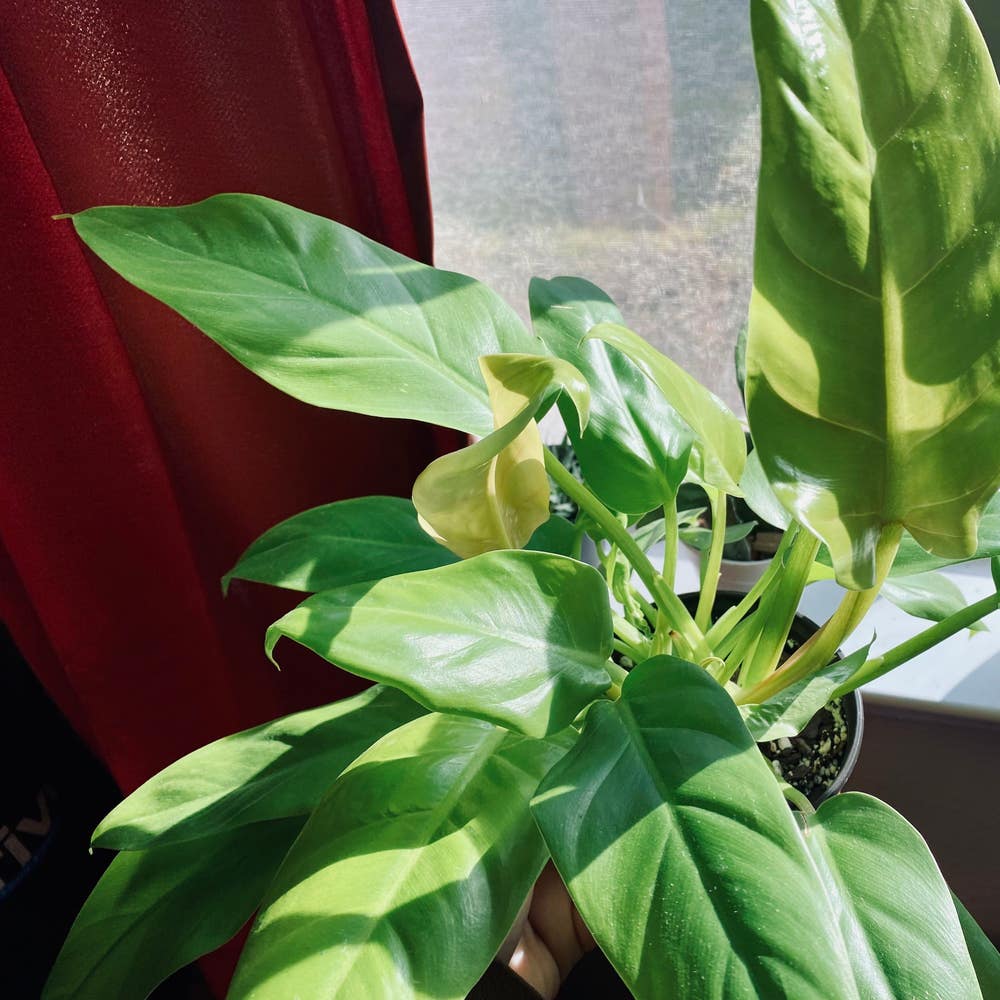
Philodendron melinonii leaves should stand proud, not slump in defeat. Droopy leaves are the first red flag that your plant is calling for help. Beyond the sag, yellowing leaves could indicate nutritional deficiencies or improper watering. Black spots or discoloration demand immediate attention, as they signal potential disease or damage.
🌱 Differentiating between natural plant behavior and distress signals
Philodendrons will lean towards light sources; it's their version of a morning stretch. But when your plant's leaves hang as low as a teenager's jeans, it's not trying to be cool—it's likely underwatered. Conversely, leaves that look like they've taken on water like a sponge might be overwatered. If your Philodendron melinonii is dropping leaves like hot potatoes, check for temperature stress. Remember, a slight tilt towards the sun is normal; a full-on droop is a distress signal.

The Water Balancing Act
💦 Too much love: Signs of overwatering
Yellowing leaves and a foul smell from the soil are classic overwatering red flags. If the leaves feel more like a squishy marshmallow than firm foliage, you've probably been too generous with the watering can. A pot that feels unusually heavy suggests the soil is waterlogged, and it's time to let it dry out.
🏜️ Parched plant: Signs of underwatering
When your Philodendron melinonii starts to resemble a wilted salad, it's begging for water. Dry, crispy leaves and soil that's pulling away from the pot's edge are SOS signals. If the soil feels like a desert, not a damp forest floor, it's time to hydrate.
How to check soil moisture accurately
Ditch the guesswork and use a moisture meter to know exactly when to water. If you're more old-school, the finger test still works—stick your finger an inch into the soil; if it's dry, your plant's thirsty. Remember, the goal is moist soil, not a mini swamp or a barren wasteland.

Environmental Check-Up
💡 Assessing the impact of light and location
Light is like a Philodendron melinonii's morning coffee—it's essential. Your plant thrives in bright, indirect sunlight. Too direct, and it's like a vampire at the beach; too dim, and it's a night owl at noon. Check if your plant's spot mirrors a tropical forest canopy; an east or north-facing window usually hits the jackpot. If you're south of the equator, swap that—north is now your frenemy.
🌡️ Humidity and temperature: Friends or foes?
Humidity and temperature are the Philodendron's partners in crime. They should be as balanced as a tightrope walker. Humidity too low? Leaves go crispier than autumn leaves. Too high? They droop like they've lost all hope. Aim for that Goldilocks zone, and consider a humidifier or a pebble tray to up the ante. Temperature should be as stable as your favorite pub's best brew. Keep it consistent, and watch out for drafts that could send your plant into a shiver or a sweat. Use a hygrometer to keep tabs like a hawk on a field mouse.
Remember, your Philodendron doesn't care if it's Taco Tuesday or Fish Friday—it needs the right light, humidity, and temperature every day. Keep your senses sharp, and adjust as needed. It's detective work, but when your plant perks up, it's like solving the case of the droopy leaves.

Reviving Your Philodendron melinonii
🚰 Course correction for overwatered plants
If your Philodendron melinonii has been drowning in excess water, it's time for some tough love. Stop watering immediately and let the soil surface dry out. Gently remove the plant from its pot to inspect for root rot. Snip off any black or mushy roots with sterilized scissors. Repot in fresh, well-draining soil and ensure your pot has drainage holes.
💧 Hydration help for underwatered plants
An underwatered Philodendron melinonii will have limp, lifeless leaves. If the soil feels like a dry wasteland, give your plant a thorough soak. Water evenly until it runs out the bottom, ensuring the roots get their fill. In the future, check the soil moisture regularly; the top inch should be dry before you reach for the watering can again.
🌿 Tweaking the environment for optimal health
Philodendrons are tropical souls that crave humidity. If your home is drier than a comedian's humor, consider a humidifier. Keep the plant in a spot with bright, indirect light but away from scorching sun rays. And remember, consistency is key – avoid placing your plant near drafty windows or heat sources that could cause temperature fluctuations.
Keeping Your Philodendron Firm and Upright
💧 Establishing a foolproof watering schedule
Consistency is your philodendron's best friend when it comes to watering. Start by checking the top inch of soil; if it's dry, it's time to water. Simple, right? But don't just set a reminder for every Tuesday and call it a day. Your plant's thirst varies with the seasons, so adjust accordingly. Less water in the cool, dormant winter, and more during the summer growth spurt.
🌞 Monitoring and adjusting environmental factors
Your Philodendron melinonii is a bit of a diva when it comes to its environment. It craves bright, indirect sunlight—too much shade, and it'll droop like it's been on a Netflix binge. Keep the humidity on the higher side; these tropical beauties aren't fans of the desert vibe. Temperature-wise, think warm and steady. Sudden changes? Big no-no. Keep it away from drafts and vents to avoid shocking its system.
Remember, your plant is an individual. What works for one might not work for another. So, observe and tweak your care routine like a plant whisperer. Your Philodendron will thank you with perky leaves and a vibrant presence.
⚠️ Safety First
This content is for general information and may contain errors, omissions, or outdated details. It is not medical, veterinary advice, or an endorsement of therapeutic claims.
Always consult a qualified healthcare professional before using any plant as food, medicine, or supplement.
Never eat any plant (or feed one to pets) without confirming its identity with at least two trusted sources.
If you suspect poisoning, call Poison Control (800) 222-1222, the Pet Poison Helpline (800) 213-6680, or your local emergency service immediately.
Spotted an error? Please report it here.
Banish droopiness from your Philodendron melinonii by balancing 🌤 its care with Greg's custom reminders for watering, light, and humidity, ensuring your plant thrives effortlessly.