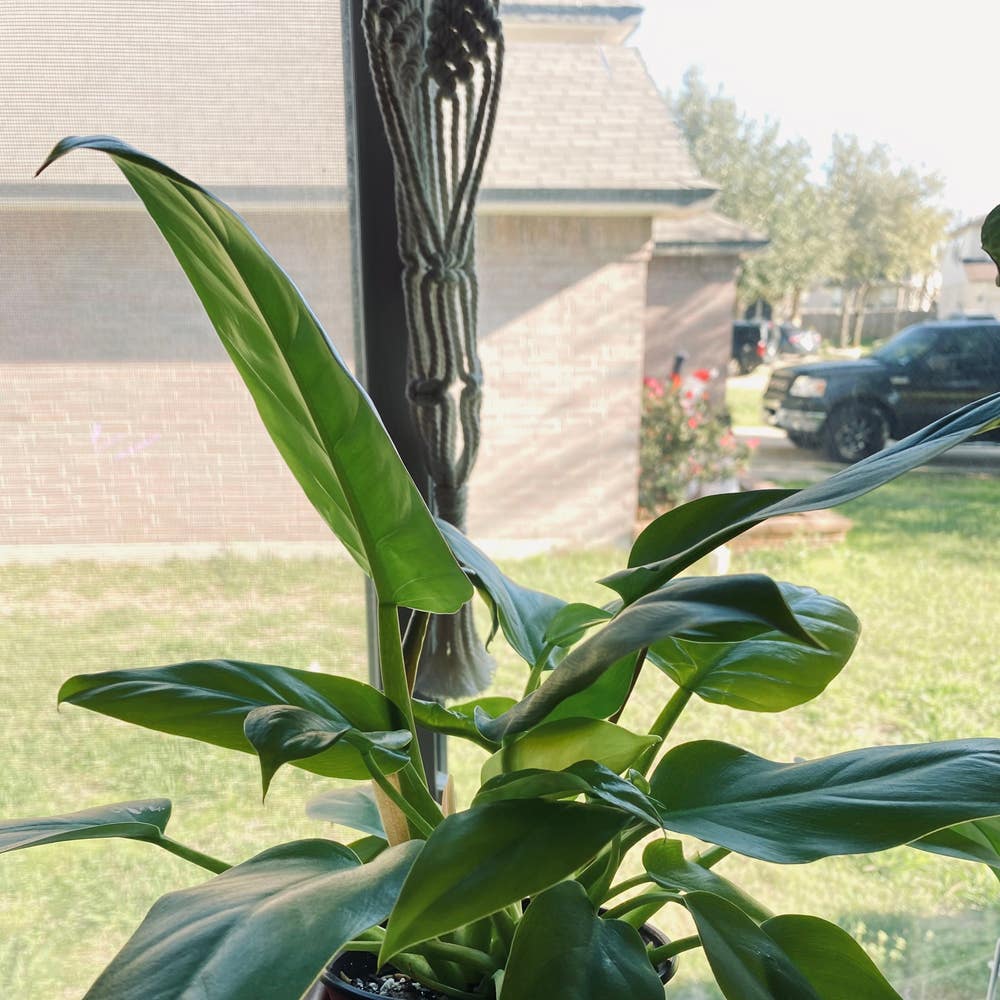
How Do I Fix Philodendron Melinonii Root Rot?
Philodendron melinonii
By the Greg Editorial Team
Jun 18, 2024•4 min read
This article was created with the help of AI so we can cover more plants for you. May contain errors. See one? Report it here.
Save your Philodendron from root rot despair 🌿 and ensure its lush future with these expert tips!
- 🍂 Yellow leaves and soft roots signal root rot.
- 🚿 Well-draining soil and pots prevent recurrence.
- 🌡️💧 Monitor soil moisture and environment to maintain health.
Spotting the Trouble: Signs of Root Rot
🍂 Leafing through the Symptoms
Yellowing leaves and wilting are red flags. They're not just having a bad day; they're a cry for help.
Soft, brown roots are the hidden culprits. If they feel like overcooked noodles, you're dealing with root rot.
📖 When the Soil Tells a Story
Waterlogged soil is a telltale sign. It should never feel like a swamp.
Smell check: The stench of decay is unmistakable. If your plant's pot smells like a landfill, take action.

Getting Down and Dirty: Treating Root Rot
🚑 Root Rescue Mission
To rescue your Philodendron melinonii from root rot, start by gently lifting it from its pot. Inspect the roots closely; healthy ones are firm and white, while rotten ones are soft and brown.
Using sterilized scissors, prune the affected roots. This isn't just a trim; it's a crucial step to save your plant.
🌱 Soil and Pot Makeover
Choose a well-draining soil mix and a pot with ample drainage holes to prevent a repeat of root rot.
When repotting, handle your plant with care, as if it's a delicate heirloom. Ensure the new home for your plant's roots is clean and welcoming.

Water Wisely: Adjusting Your Care Routine
💧 The Balancing Act of Watering
Overwatering is the fast track to root rot, but underwatering turns your Philodendron melinonii into a wilted wallflower. Check the soil before watering—moist like a wrung-out sponge is what you're aiming for. Ditch the calendar; your plant doesn't care what day it is. It's all about adapting to the environment and the plant's needs, which can change faster than your mood on a Monday morning.
🌡️ Tips for Monitoring Soil Moisture Levels
Get tactile. Stick your finger an inch into the soil; if it's dry, it's time to hydrate. Or, if you're not keen on dirt under your nails, a moisture meter can be your clean-handed guide. Remember, the topsoil drying out slightly between waterings is a good thing—it's like a mini thirst that encourages strong root growth.
🚰 The Role of Drainage
Proper drainage is your silent guardian against root rot. Ensure your pot has holes quicker to drain than a bathtub. Pair with a well-draining potting mix, and you've got a dynamic duo that Batman and Robin would envy. Water thoroughly, let it flow through, then don't water again until the soil's top layer has had a chance to dry out. It's a simple but effective dance routine for your watering regimen.

Keeping Root Rot at Bay: Prevention Tactics
🌿 The Right Environment for Your Philodendron Melinonii
Philodendron melinonii, like any self-respecting tropical plant, craves the right mix of light, temperature, and humidity. Bright, indirect light keeps it happy without the crispy leaf edges that scream sunburn. Aim for a temperature sweet spot between 65-80°F (18-27°C) to avoid the shivers or sweats. As for humidity, think of it as the plant's skincare routine—moderate levels keep it dewy without inviting fungal gatecrashers.
🌱 Choosing the Right Companions: Potting Mix and Containers
Your plant's BFFs are a well-draining pot and a soil mix that doesn't cling like a stage-5 clinger. Terracotta pots breathe easier, preventing water from throwing a pool party around your plant's roots. Mix in some perlite or coarse sand to keep the soil's texture fluffier than a reality TV star's pillow.
🛠️ Regular Check-Ups and Maintenance
Routine inspections are the equivalent of a regular car service but for your plant. Catch issues early and you'll save yourself a world of hurt. Keep your tools cleaner than a germaphobe's house—dirty tools are like double agents for disease.
🧼 Cleaning Tools and Pots: A Hygiene Protocol
Speaking of clean, let's talk hygiene. Sanitize your pots and tools with the enthusiasm of a dentist cleaning teeth. It's all about preventing cross-contamination—no one wants their plants catching the sniffles.
⚠️ Safety First
This content is for general information and may contain errors, omissions, or outdated details. It is not medical, veterinary advice, or an endorsement of therapeutic claims.
Always consult a qualified healthcare professional before using any plant as food, medicine, or supplement.
Never eat any plant (or feed one to pets) without confirming its identity with at least two trusted sources.
If you suspect poisoning, call Poison Control (800) 222-1222, the Pet Poison Helpline (800) 213-6680, or your local emergency service immediately.
Spotted an error? Please report it here.
Avoid the stress of philodendron melinonii root rot with Greg's moisture alerts 💧, ensuring your plant's soil is perfectly balanced for health and happiness.