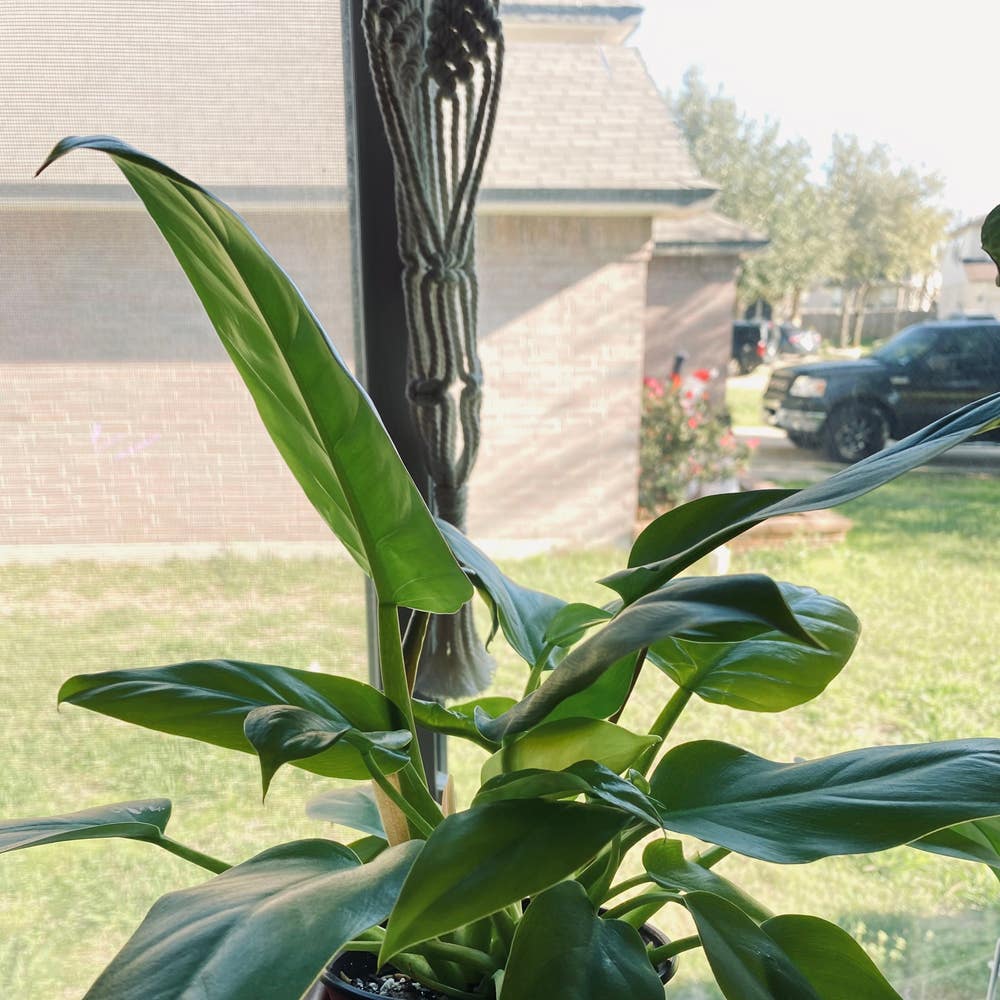
Why Are My Philodendron melinonii Leaves Dropping?
Philodendron melinonii
By the Greg Editorial Team
Jun 18, 2024•4 min read
This article was created with the help of AI so we can cover more plants for you. May contain errors. See one? Report it here.
Prevent leaf loss and ensure your Philodendron melinonii flourishes with our expert care guide. 🌿✨
- Yellowing and wilting signal distress; sudden drops are more urgent than gradual.
- Overwatering and underwatering harm leaves; adjust watering to soil dryness.
- Stable environment and pest control are key to preventing leaf drop.
Spotting the Signs of Trouble
🍂 Visual Clues of Leaf Drop
Yellowing, wilting, and the dreaded leaf fall—these are the tell-tale signs your Philodendron melinonii is in distress. Leaves that look like they've been through the wringer, sporting brown spots or resembling a deflated balloon, are your plant crying out for help.
🕰 Timing and Pattern of Leaf Loss
Is your plant shedding leaves like it's going out of style, or is it a slow and steady decline? Sudden leaf loss is a red flag, signaling a potential emergency. Conversely, a gradual drop could simply be your plant's version of out with the old, in with the new. Keep an eye on the pattern; it's the difference between a natural process and a cry for help.

Getting to the Root of the Problem
💧 Overwatering Woes
Soggy soil and leaves that look more washed out than your favorite jeans are classic signs of overwatering in your Philodendron melinonii. If the leaves are drooping like they've given up on life, it's time to dial back on the H2O. To fix this, let the soil dry out before you water again and ensure your pot has adequate drainage. Think of it as rehab for overindulgent waterers.
🏜️ The Thirsty Plant
Conversely, if your Philodendron melinonii's leaves are as crispy as autumn leaves and wilting like a forgotten salad, underwatering might be the culprit. When the top couple of inches of soil feel drier than a stand-up comedian's wit, it's time to water. Do it thoroughly, letting the water reach the roots, not just the topsoil. Consider a self-watering pot if you're forgetful; your plant will thank you by not shedding its leaves in protest.
🌞 When the Environment Strikes
Temperature, humidity, and light form the trifecta that can make or break your Philodendron melinonii's leaf game. Too hot, too cold, or lighting that's more inconsistent than your mood on a Monday can lead to leaf loss. Aim for a stable environment with high humidity and indirect light. If your plant's leaves are dropping faster than your phone's battery life, it's time to reassess its living conditions.

Nipping Pests in the Bud
🐜 Common Culprits
Your Philodendron melinonii is a pest magnet. Aphids, mealybugs, and spider mites top the list of freeloaders. These tiny terrors are particularly fond of new growth and tender leaves, where they can suck the life out of your plant. Vigilance is key—inspect regularly, especially the undersides of leaves and near new buds.
🛡️ Fight Back Without Harming Your Plant
When you spot these uninvited guests, it's time for action. Neem oil and insecticidal soap are your go-to for a plant-friendly eviction. They're effective and won't harm your green buddy. For a quick fix, a blast of water can knock pests off their feet. Remember, a clean plant is less likely to invite pests back. Keep the foliage dry and maintain good airflow to prevent future infestations. If you're into the natural approach, introduce some ladybugs or other beneficial insects—they're like having your own personal pest control squad.

Proactive Care to Keep Leaves Intact
💧 Watering Wisdom
Watering your Philodendron melinonii isn't a set-it-and-forget-it deal. It's a delicate dance of giving it just enough to drink without drowning the roots. Check the soil an inch deep; if it's dry, it's time to water. This plant isn't a fan of soggy feet, so ensure your pot has drainage holes to let excess water escape.
🌿 Creating a Leaf-Friendly Zone
Your Philodendron melinonii craves a stable environment. Think of it as creating a mini ecosystem that caters to its tropical origins. Light is like the plant's coffee – it needs it bright but indirect to avoid leaf burn. Humidity is its spa; too dry, and the leaves will throw a fit. A pebble tray or humidifier can be a game-changer here.
Temperature swings are the enemy. Keep your green buddy away from drafts and sudden changes that could cause leaf shock. And remember, your plant's not a fan of the cold shoulder – keep it warm and cozy.
Rotate your plant regularly to ensure even growth; it's not just about aesthetics, but balanced health. And when it comes to pruning, be strategic. Snip away the old to encourage the new, but don't go Edward Scissorhands on it.
Lastly, feeding your plant should be like a well-thought-out diet plan. Use a balanced fertilizer, but don't overdo it – nobody likes an overeager feeder. Keep these tips in mind, and you'll be on your way to maintaining a lush, leafy Philodendron melinonii.
⚠️ Safety First
This content is for general information and may contain errors, omissions, or outdated details. It is not medical, veterinary advice, or an endorsement of therapeutic claims.
Always consult a qualified healthcare professional before using any plant as food, medicine, or supplement.
Never eat any plant (or feed one to pets) without confirming its identity with at least two trusted sources.
If you suspect poisoning, call Poison Control (800) 222-1222, the Pet Poison Helpline (800) 213-6680, or your local emergency service immediately.
Spotted an error? Please report it here.
Nurture your Philodendron melinonii back to vibrant health 🌿 with Greg's tailored care reminders, ensuring just the right touch of water, light, and love.