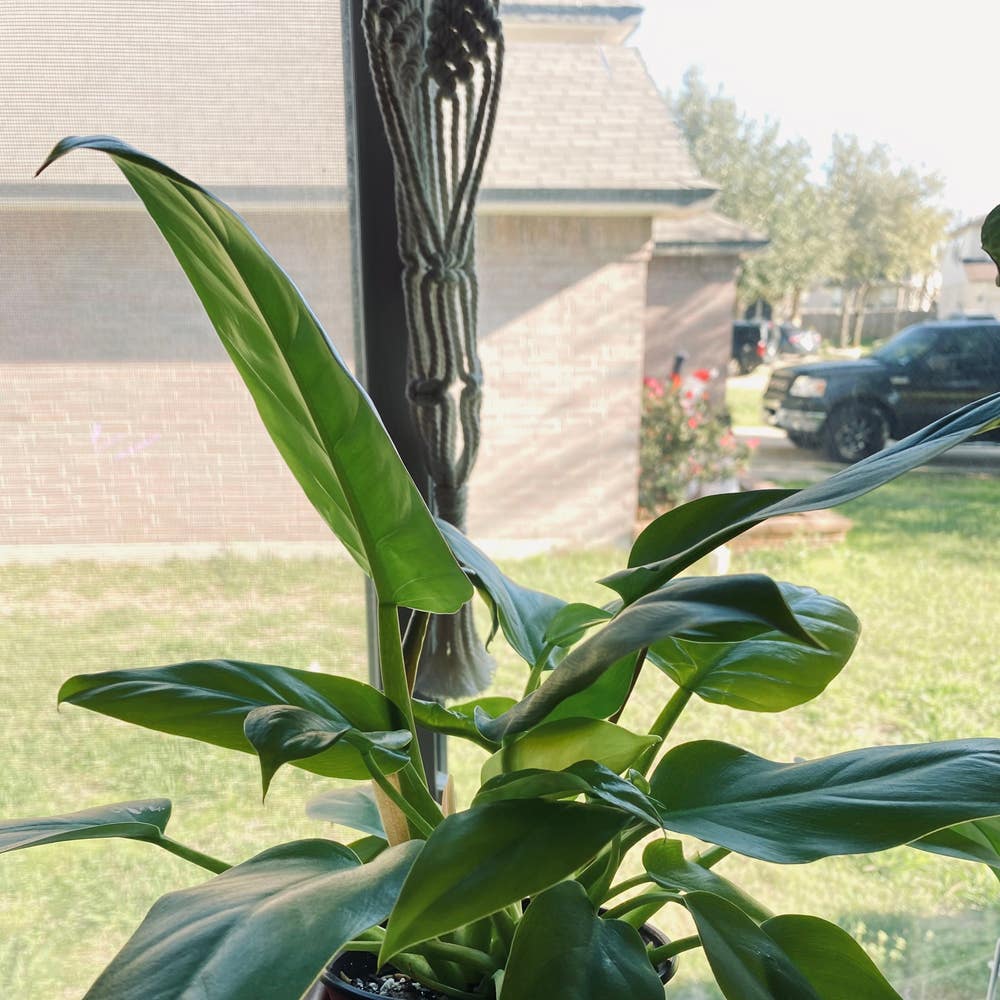
❄️ 3 Tips for Caring for Your Philodendron melinonii in Winter
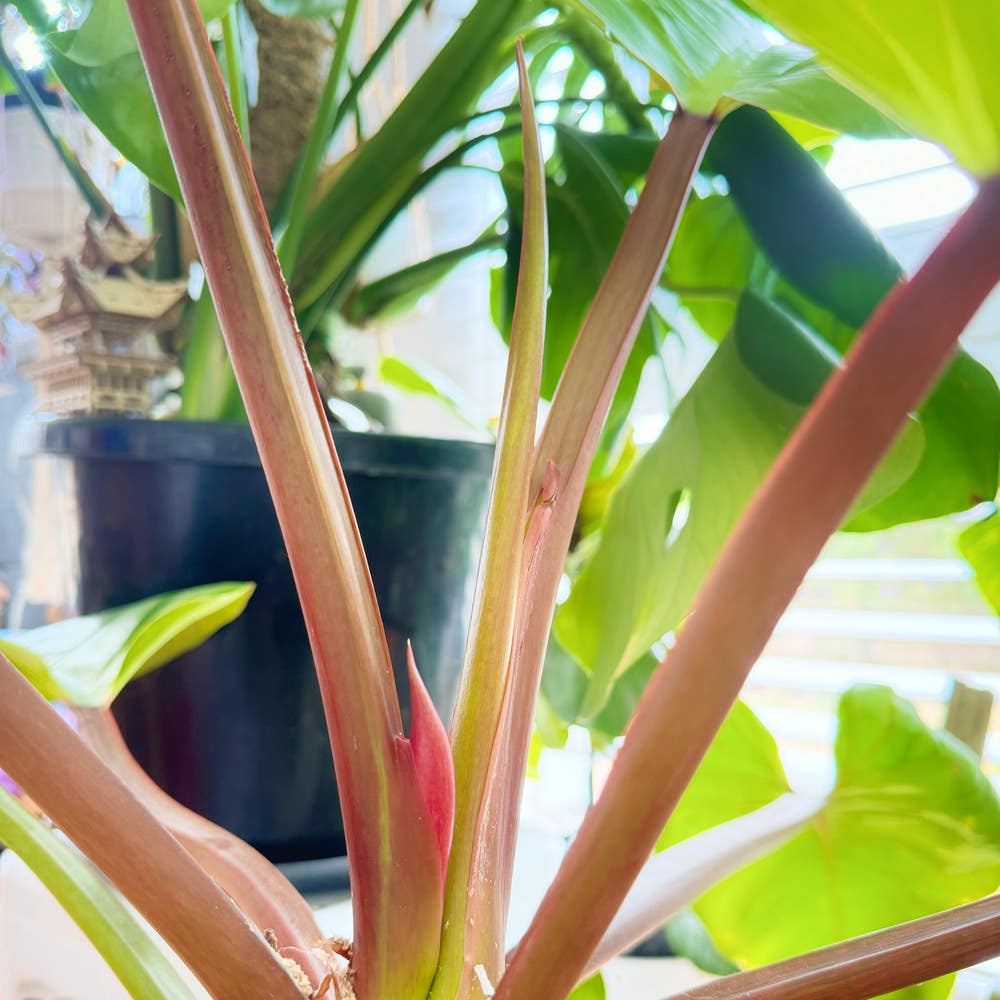
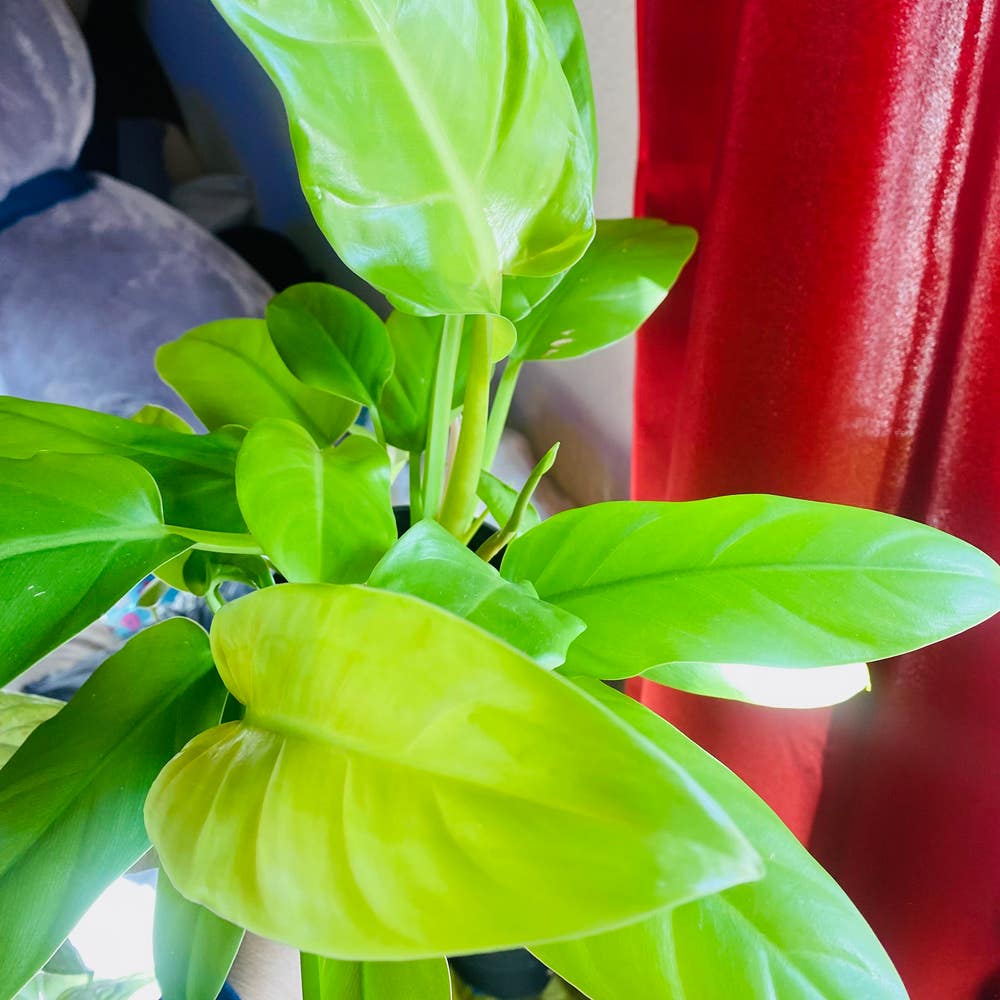
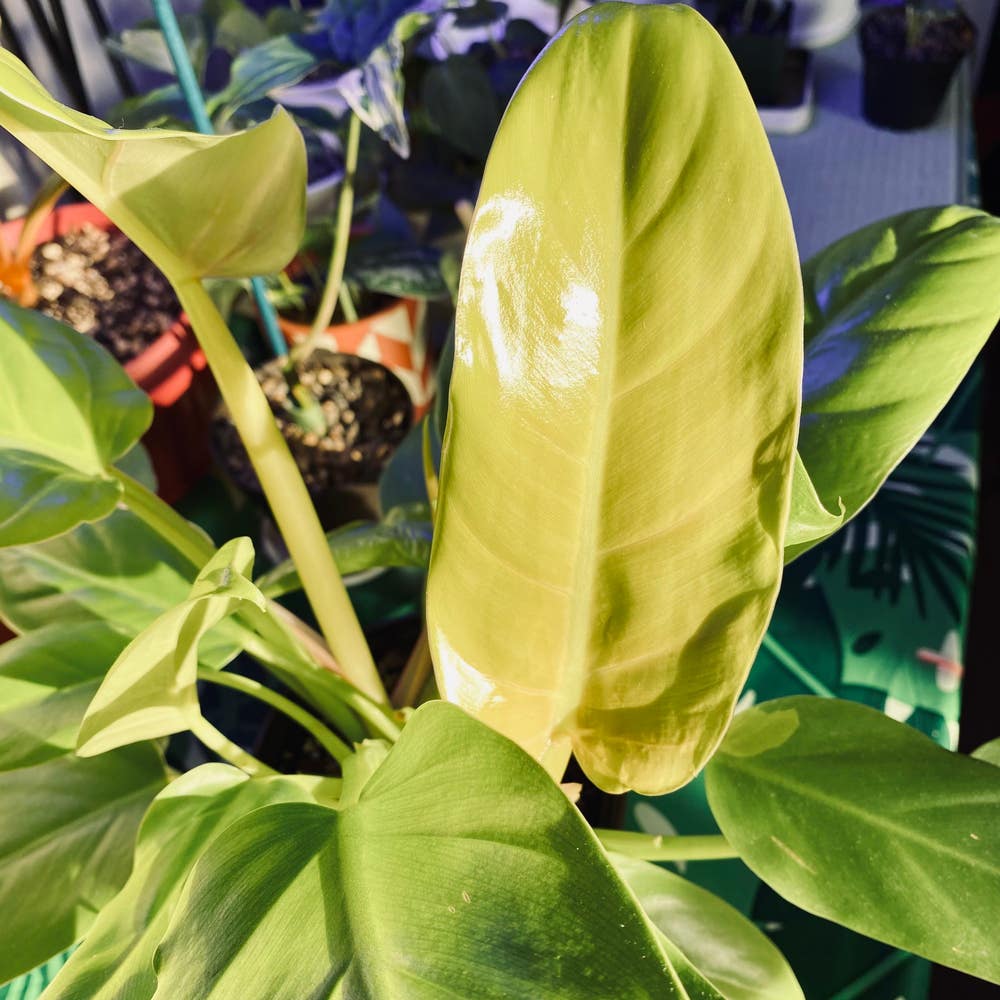
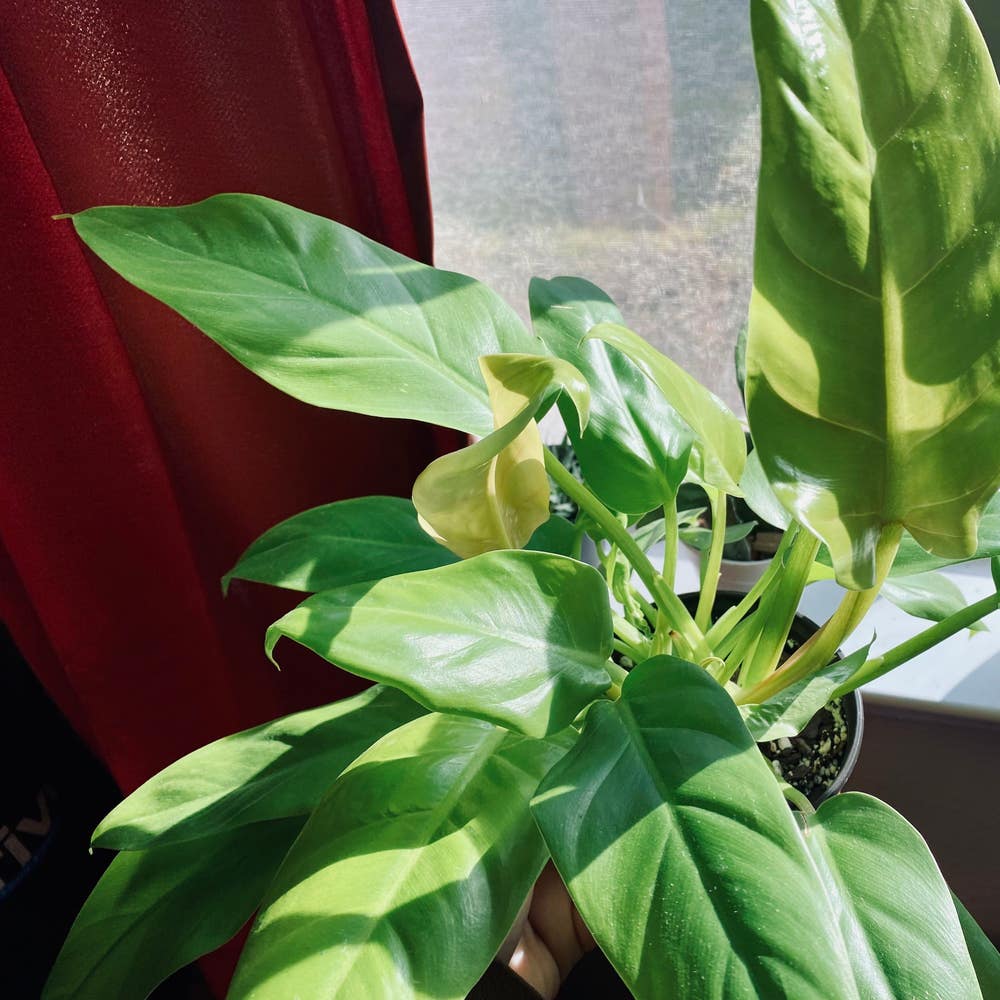
Philodendron melinonii
By the Greg Editorial Team
Sep 30, 2024•5 min read
This article was created with the help of AI so we can cover more plants for you. May contain errors. See one? Report it here.
Ensure your Philodendron melinonii thrives this winter with expert care tips for a lush spring revival! 🌱❄️
- 💧 Water every 2-3 weeks in winter; check soil moisture to avoid yellowing leaves.
- 🌡️ Maintain humidity between 50-70% and temperatures of 18°C to 24°C for health.
- ❄️ Protect from frost by bringing indoors before the first frost and using frost cloths.
Winter Care Requirements
Adjusting Watering Schedules for Winter 🌊
During winter, it's crucial to adjust your watering routine for your Philodendron melinonii. Reduce watering to every 2-3 weeks, allowing the soil to dry out slightly between waterings.
Watch for signs of overwatering, such as yellowing leaves or mushy stems. Always check the soil moisture levels before watering to ensure your plant stays healthy.
Modifying Fertilizing Practices During Winter Months ❄️
Fertilizing should come to a halt during the winter months. This prevents nutrient buildup that can harm your plant.
You can resume fertilization in early spring when growth picks up again. When you do, opt for a balanced, diluted fertilizer to give your plant a gentle boost.
Importance of Humidity and Temperature Control Indoors 🌡️
Humidity and temperature are key to keeping your Philodendron thriving indoors. Aim for humidity levels between 50-70% to prevent leaf drop.
Maintain indoor temperatures between 18°C to 24°C (65°F to 75°F). If humidity is low, consider using humidifiers or pebble trays to create a more favorable environment for your plant.
With these winter care tips, your Philodendron melinonii will be well-equipped to thrive until spring. Next, let’s explore how to protect your plant from frost.
Protection from Frost
🌨️ Identifying Frost Risks
Understanding where frost is likely to strike is crucial for protecting your Philodendron melinonii. Look for frost-prone areas in your home or garden, especially near windows or uninsulated walls.
Frost damage typically occurs when temperatures drop below 10°C (50°F). Keeping an eye on local weather forecasts can help you anticipate these chilly nights.
🛡️ Methods for Providing Frost Protection
To safeguard your plants, bring potted varieties indoors before the first frost hits. This simple step can save your greenery from the cold.
For outdoor plants, consider using frost cloths or blankets during cold snaps. These protective layers can trap warmth and shield your plants from harsh conditions.
Creating microclimates is another effective strategy. Use barriers or windbreaks to shield your plants from cold winds, helping them thrive even in winter.
❄️ Signs of Frost Damage and Recovery Strategies
Frost damage can manifest as brown, crispy edges on leaves or wilting. If you notice these symptoms, it’s time to act.
Start by pruning any damaged leaves to encourage new growth. Increasing humidity around the plant can also help, along with closely monitoring the temperature to ensure it stays within a safe range.
By taking these precautions, you can keep your Philodendron melinonii healthy and vibrant through the winter months. Next, let’s explore the best indoor care practices to ensure your plant continues to thrive.
Indoor Winter Care
🌟 Best Indoor Conditions
To keep your Philodendron melinonii thriving in winter, place it near bright, indirect light sources. This positioning helps mimic its natural habitat, ensuring it gets the light it craves without the harshness of direct sun.
Avoid placing your plant near drafts from windows or heating vents. These fluctuations can stress the plant, leading to unhealthy growth.
💡 Light Requirements During Winter Months
As winter days grow shorter, you may need to adjust your plant's light exposure. If natural light is lacking, consider using grow lights to supplement its needs.
Don't forget to rotate your plant periodically. This simple action ensures all sides receive equal light, promoting balanced growth.
💧 Tips for Maintaining Humidity Indoors
Humidity is key for your Philodendron's health during dry winter months. Regularly misting the leaves can significantly boost humidity levels around your plant.
Grouping your plants together creates a more humid microenvironment. This not only benefits your Philodendron but also enhances the overall aesthetic of your indoor garden.
Utilizing humidity trays filled with water and pebbles is another effective strategy. These trays release moisture into the air, providing a consistent humidity boost.
With these indoor care tips, your Philodendron melinonii will be well-equipped to thrive through the winter months. As you nurture your plant, you'll be preparing it for a vibrant spring ahead.
Spring Preparation and Recovery
🌨️ Signs of Winter Damage and How to Assess Plant Health
As winter fades, it's crucial to check your Philodendron melinonii for signs of damage. Look for leaf discoloration, wilting, or stunted growth, which can indicate stress from the colder months.
To assess root health, gently remove the plant from its pot. This allows you to inspect the roots for any signs of rot or damage, ensuring your plant is ready for the growing season.
🌱 Steps for Recovery and Rejuvenation in Spring
Start the recovery process by pruning any dead or damaged leaves. This encourages new growth and helps your plant focus its energy on healthier foliage.
If your plant has been indoors, gradually reintroduce it to outdoor conditions. This helps it acclimate to the warmer temperatures and brighter light without shock.
🌼 Preparing for the Growing Season After Winter
Once spring arrives, resume your regular watering and fertilizing schedules. This will kickstart your plant's growth and vitality after the winter dormancy.
Keep an eye out for pests and diseases that may emerge as temperatures rise. Early detection is key to maintaining a healthy plant.
Lastly, consider repotting if your Philodendron has outgrown its container. A fresh pot with new soil can provide the nutrients needed for robust growth.
With these steps, your Philodendron melinonii will be well on its way to thriving in the spring!
⚠️ Safety First
This content is for general information and may contain errors, omissions, or outdated details. It is not medical, veterinary advice, or an endorsement of therapeutic claims.
Always consult a qualified healthcare professional before using any plant as food, medicine, or supplement.
Never eat any plant (or feed one to pets) without confirming its identity with at least two trusted sources.
If you suspect poisoning, call Poison Control (800) 222-1222, the Pet Poison Helpline (800) 213-6680, or your local emergency service immediately.
Spotted an error? Please report it here.
Keep your Philodendron melinonii thriving this winter ❄️ with Greg's tailored watering reminders and humidity tips that ensure your plant stays happy and healthy all season long!