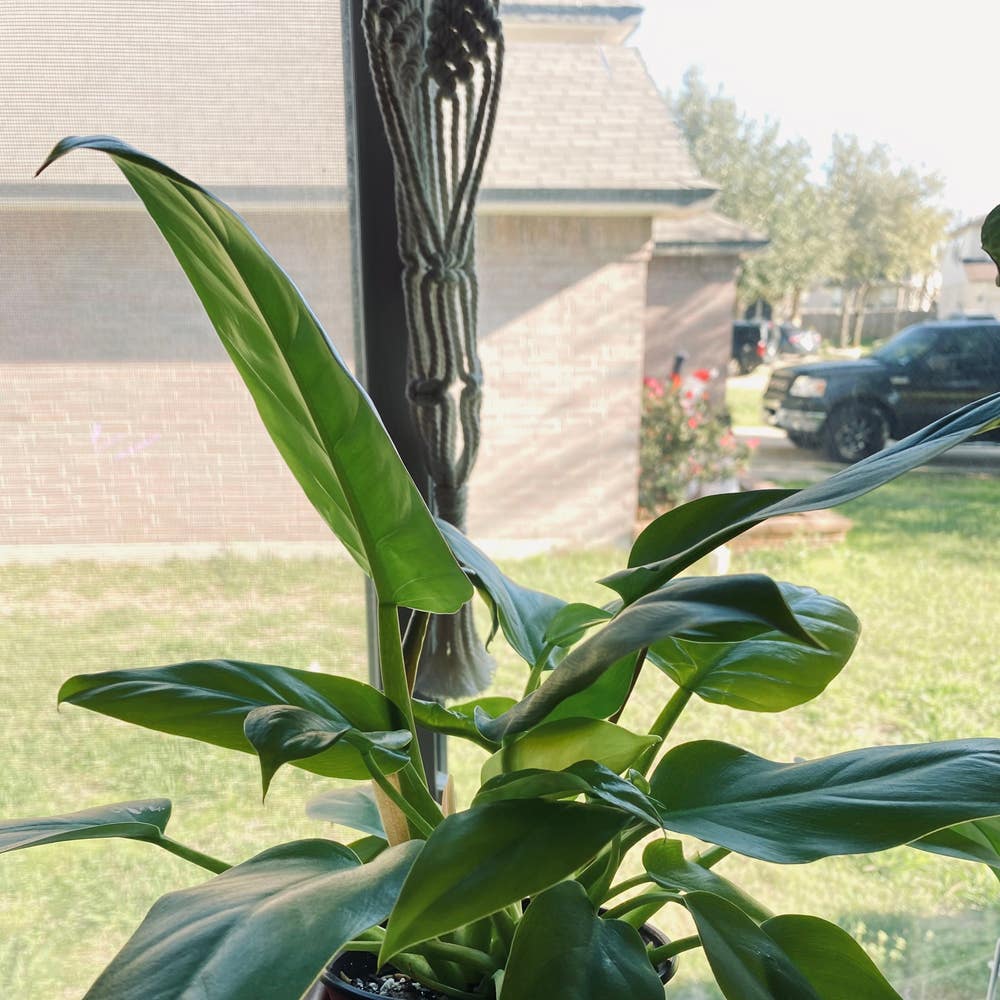
How to Prune Philodendron melinonii
Philodendron melinonii
By the Greg Editorial Team
Jun 18, 2024•5 min read
This article was created with the help of AI so we can cover more plants for you. May contain errors. See one? Report it here.
Shape a thriving Philodendron melinonii 🌿 with timely pruning for health and lush beauty! ✂️
- Late winter/spring for new growth, ideal for Philodendron melinonii pruning.
- 🌿 Sharp shears and sterilization are crucial to prevent disease.
- Prune for health, beauty, and propagation, enhancing form and vitality.
Best Times to Get Snippy with Your Philodendron melinonii
🌱 Seasonal Smarts: When to Wield the Shears
Late winter or early spring is your Philodendron melinonii's signal for a fresh start. It's like the plant's New Year's resolution—time to grow and thrive. Pruning in this period primes it for a burst of new leaves and stems. Avoid the dormant winter months; think of it as letting the plant hit the snooze button one last time before the growing season.
🌿 Growth and Rest: Timing Your Cuts with the Plant's Life Cycle
Spring and early summer are the plant's peak performance times. This is when your Philodendron melinonii is most resilient, ready to bounce back from pruning with vigor. It's the plant's version of a post-workout glow—cut back now, and watch it flex its foliage with renewed energy. Light pruning can be done year-round, but save the major makeovers for the growth spurt seasons.

Pruning Tools and Sanitation
🛠️ Selecting Your Pruning Partners: Best Tools for the Job
Let's get down to brass tacks. Sharp pruning shears or scissors are non-negotiable for your Philodendron melinonii. You want tools that can make clean, precise cuts without mangling your plant's delicate stems. Think of it as surgery for your green buddy – only the best instruments will do.
🧼 Keeping it Clean: Importance of Tool Sanitation to Prevent Disease
Now, cleanliness is next to godliness, especially in the plant world. Before you even think about making the first cut, sterilize your tools. A quick swipe with rubbing alcohol or a dip in a bleach solution is like a vaccine for your plant – it prevents the spread of disease. And after you're done playing Edward Scissorhands, clean those tools again. It's like washing your hands after you sneeze – basic hygiene.
🧹 Post-Pruning Protocol
After you've snipped and shaped, don't leave the fallen foliage to fester. Remove debris from the soil and around your plant to avoid giving pests and diseases an all-access pass to your Philodendron melinonii. It's like leaving dirty dishes out – sure, it's fine for a bit, but soon you've got a science experiment on your hands.
🧽 A Clean Slate
Regularly wiping down leaves with a damp cloth isn't just about keeping up appearances; it's about preventing dust from blocking those precious pores your plant breathes through. Think of it as unblocking your plant's nasal passages – it's all about that good airflow.
Remember, folks, a clean plant is a happy plant. And a happy plant is less likely to keel over and leave you wondering where you went wrong.

Making the Cut: Pruning Techniques
🍂 Spotting Trouble: Identifying Leaves and Stems That Need to Go
Yellowing or dead leaves are freeloaders on your Philodendron melinonii's energy resources. Overcrowded stems? They're stifling your plant's style like a bad suit. Cut them out. Any growth that's throwing off your plant's vibe is asking for a trim. It's like editing a draft—remove the fluff to reveal the masterpiece.
✂️ Snip Strategy: How to Make Precise Cuts for Health and Growth
Above the node—that's your bullseye for every cut. Too close, and you might as well apologize to the bud; too far, and you're rolling out a welcome mat for disease. Angle those cuts downward to dodge water traps that could start a fungal rave. And remember, pruning is a touch-up, not a shearing contest—keep it below the 25% mark.
🌿 Directional Decisions: Guiding New Growth with Strategic Cuts
When you're pruning, you're the boss telling your plant which way to grow. Want a bushier Philodendron melinonii? Make reduction cuts to the branch terminals, pointing towards the sky. It's like giving your plant a compass. Aim for a 45-degree angle—it's not just chic; it's practical, promoting healing and new buds. Prune with purpose, sculpting your plant's growth and keeping its natural shape in the spotlight.

Pruning with Purpose: Health, Beauty, and Propagation
💉 Health First: Removing Damaged and Diseased Foliage
Pruning isn't just a cosmetic affair; it's a vital health check for your Philodendron melinonii. Inspect leaves and stems for any signs of damage or disease. Snip these off promptly to prevent any drain on the plant's resources. This is like giving your plant a clean bill of health, ensuring it doesn't waste energy on parts that won't recover.
✂️ Shaping Up: Techniques for Enhancing the Plant's Form
Let's talk aesthetics. Pruning shapes the jungle vibes of your Philodendron melinonii, transforming it from wild to styled. Aim for a balanced look by removing overgrown or awkwardly placed leaves and stems. This not only enhances the plant's form but also encourages new growth in the right places. Remember, you're not just cutting; you're styling.
🌱 Grow More Melinonii: Using Pruned Cuttings for Propagation
Don't toss those cuttings! They're potential new plants waiting to happen. Stick them in water or moss, and voilà, you're on your way to a Philodendron farm. Just make sure those cuttings have at least one leaf and a node – that's where the magic of new growth happens. It's like a plant version of a sourdough starter; keep it going, and you'll never run out of fresh Philodendron melinonii.
⚠️ Safety First
This content is for general information and may contain errors, omissions, or outdated details. It is not medical, veterinary advice, or an endorsement of therapeutic claims.
Always consult a qualified healthcare professional before using any plant as food, medicine, or supplement.
Never eat any plant (or feed one to pets) without confirming its identity with at least two trusted sources.
If you suspect poisoning, call Poison Control (800) 222-1222, the Pet Poison Helpline (800) 213-6680, or your local emergency service immediately.
Spotted an error? Please report it here.
Ensure your Philodendron melinonii is pruned for peak performance 🌱 with Greg's tailored care reminders and real-time expert advice!