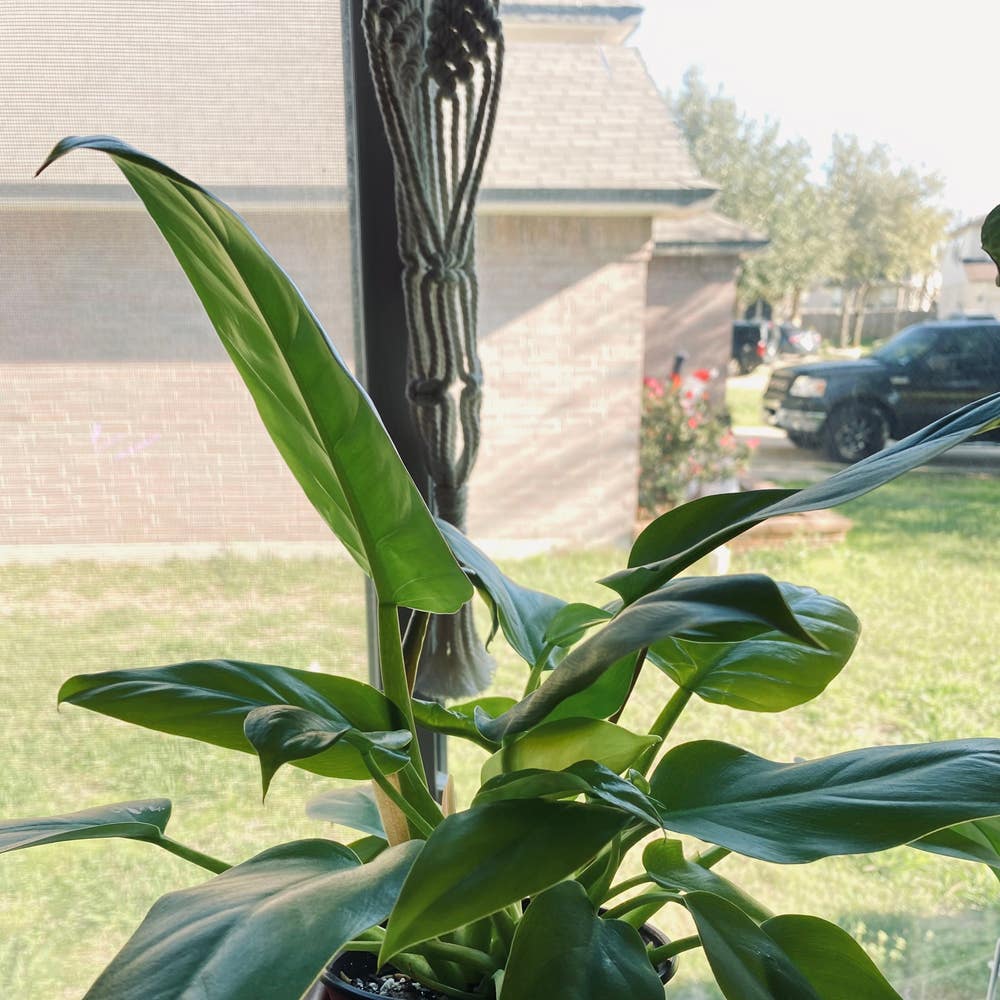
Why Are My Philodendron melinonii Leaves Falling Over?
Philodendron melinonii
By the Greg Editorial Team
Jun 18, 2024•4 min read
This article was created with the help of AI so we can cover more plants for you. May contain errors. See one? Report it here.
Revive drooping Philodendron melinonii leaves with these proven plant care strategies! 🌿✨
- Over/underwatering? Check soil moisture and adjust your watering schedule.
- 🌱 Bright, indirect light is key for Philodendron melinonii health.
- Repot root-bound plants to prevent leaves from falling over.
Spotting the Trouble Signs
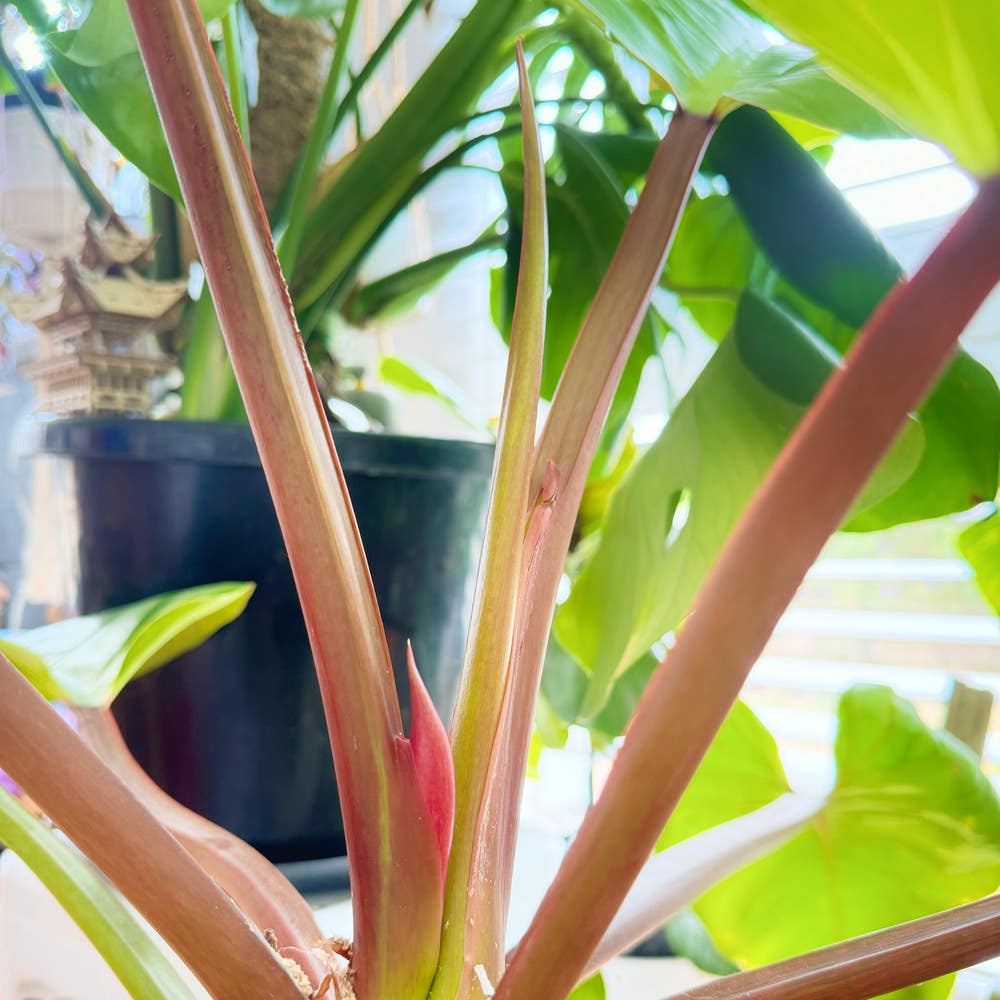
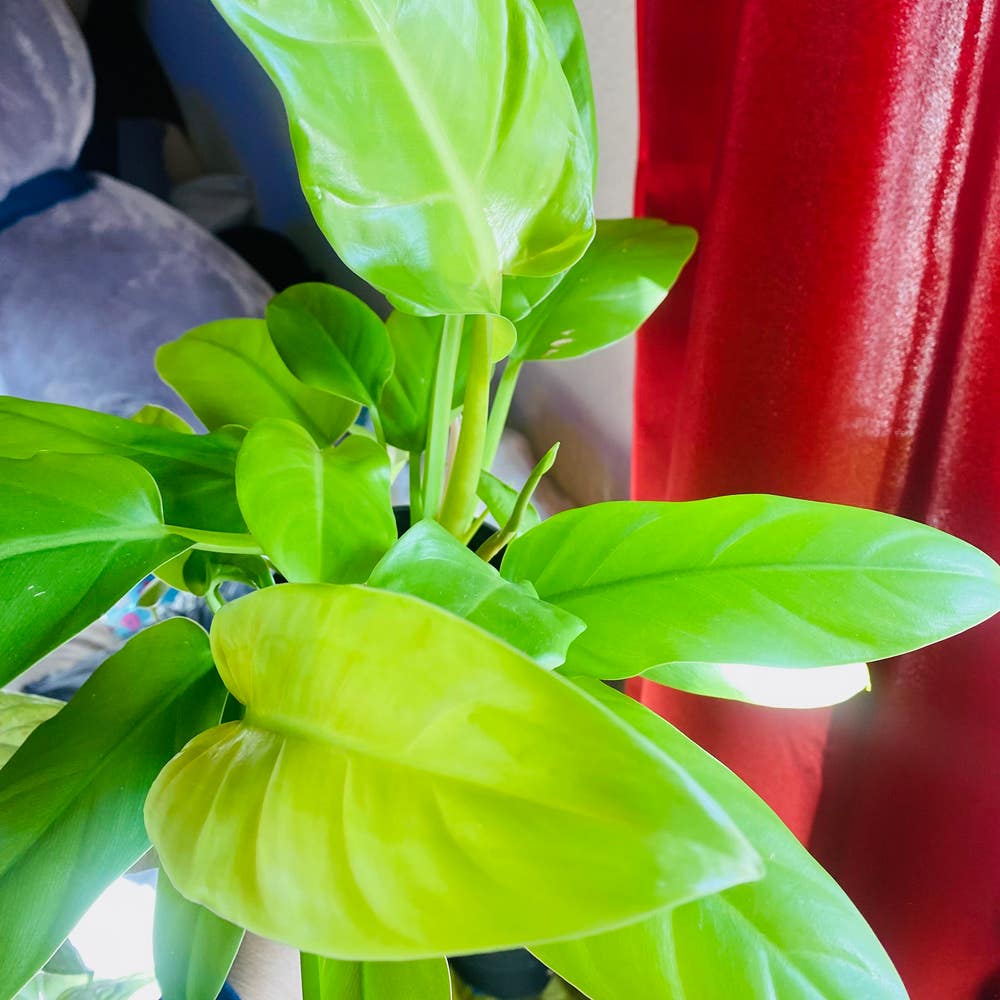
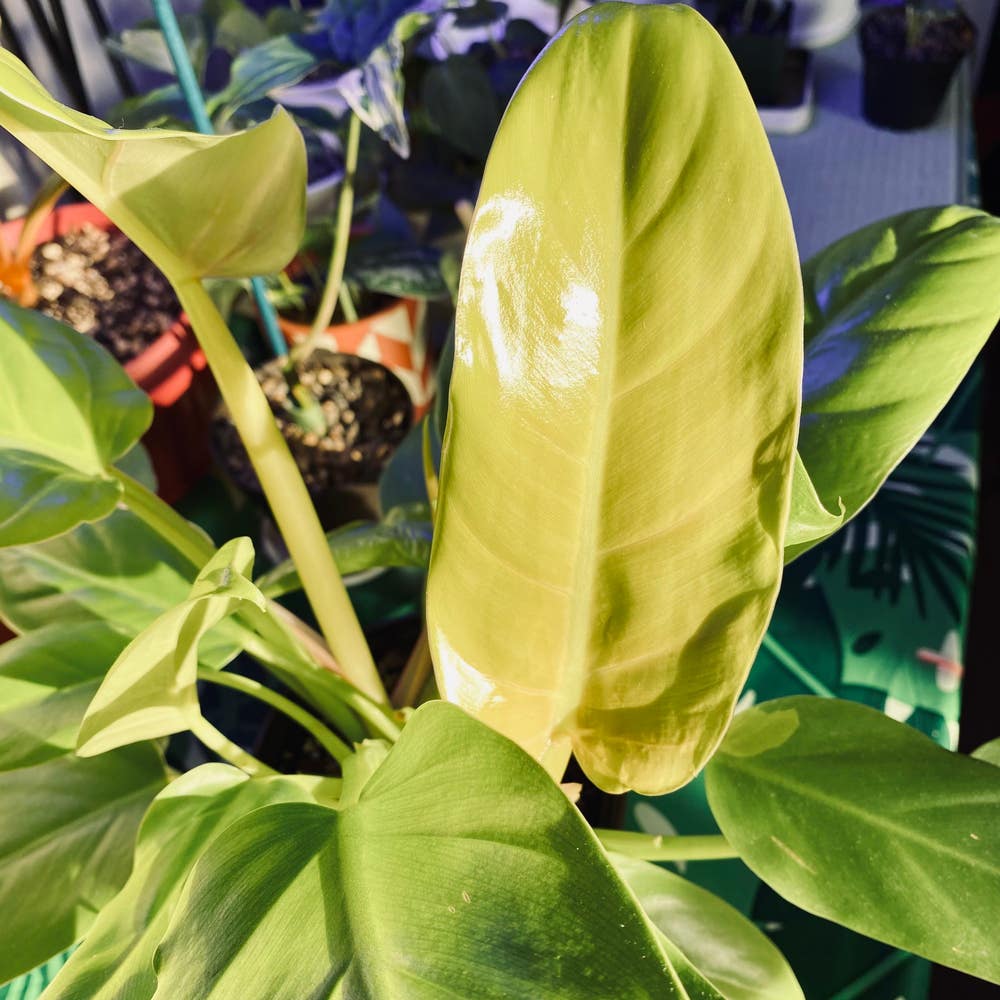
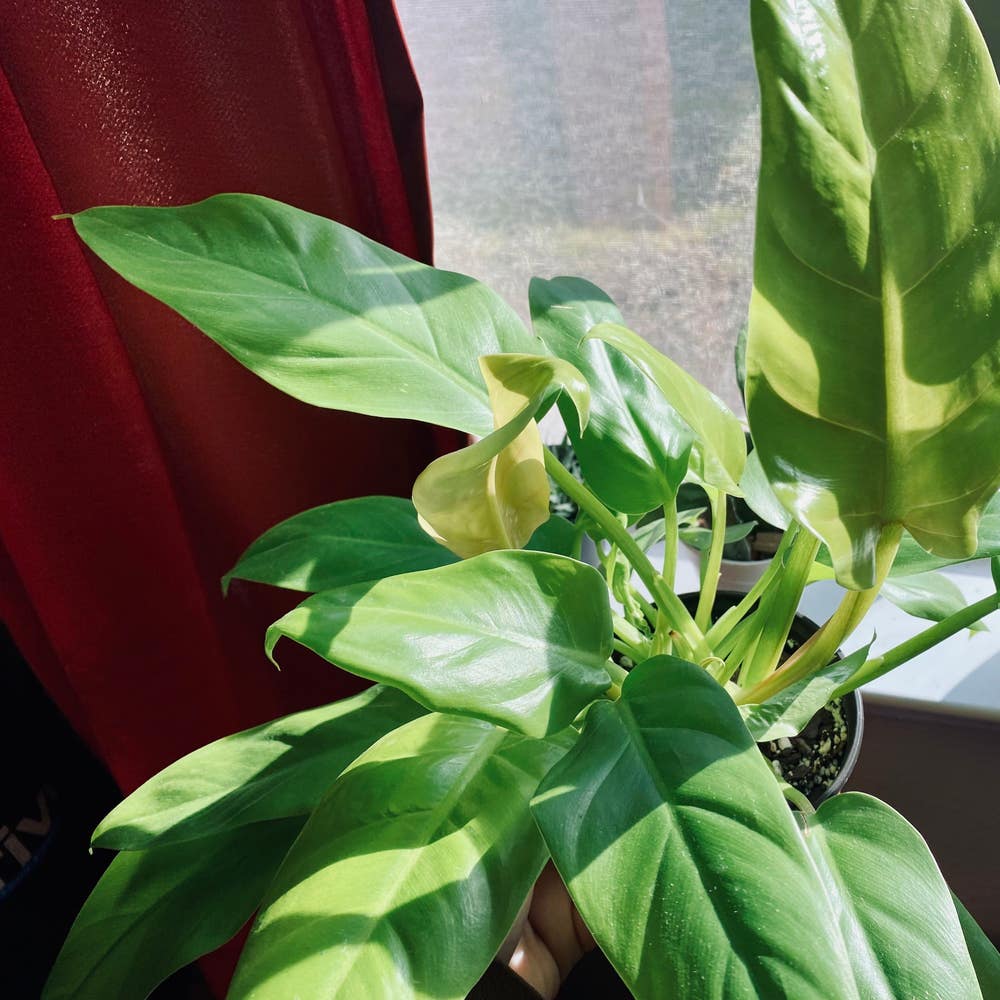
Philodendron melinonii leaves can be dramatic, but there are clear signs when they genuinely need assistance.
🍃 Visual cues: Recognizing the difference between natural leaf behavior and distress signals.
Leaves naturally droop during growth, but persistent sagging indicates a problem. Look for leaves that are more wrinkled than usual, signaling dehydration. Conversely, yellowing, especially at the edges, often points to overwatering.
💧 When Water Gets Wonky
🌊 Soggy soil saga: The perils of overwatering and how to dry out the drama.
Overwatering leads to soggy soil and root rot. If the soil feels wetter than a soaked sponge, it's time to cut back on watering. Let the soil dry out before the next watering session.
🏜️ Thirst traps: Signs of underwatering and how to quench your plant's thirst properly.
Underwatering leaves your Philodendron as thirsty as a desert traveler. Soil should be moist, not bone-dry. When the top few centimeters of soil feel dry, it's time to water.
🌞 Let There Be (The Right Amount of) Light
💡 Shedding light on the issue: How improper lighting can make leaves limp.
Too much light scorches leaves, while too little leaves them limp. Your Philodendron melinonii prefers bright, indirect light. Direct sunlight is as harmful as a midday desert sun.
🛋 Finding the sweet spot: Balancing sunlight and shade to keep your Philodendron perky.
Balance is key. Use sheer curtains to filter harsh sunlight. Rotate the plant regularly to ensure even exposure.
🌱 The Root of the Problem
🌿 Cramped quarters: Identifying and fixing root-bound blues.
Root-bound plants have roots circling the pot, constricting growth. If your Philodendron's roots look like a tangled mess, it's time to repot.
🚰 Repotting without the oops: Ensuring your Philodendron has room to groove.
Choose a pot that's one size larger with drainage holes. Repot gently to avoid damaging the roots, ensuring your plant has space to thrive.

Emergency Plant Care: Quick Fixes for Floppy Leaves
When your Philodendron melinonii starts to droop, time is of the essence. Here’s how to give your plant a quick pick-me-up.
🚨 Immediate Actions
First, check the soil. If it's wetter than a rainforest floor, hold off on watering and let it dry out. Conversely, if it's drier than a desert, give your plant a drink, stat. Next, move it to a spot with ideal lighting—not too shady, not too sunburn-inducing.
🛠️ Temporary Support Systems
Staking the Droops
Grab a stake—bamboo, metal, or a sturdy stick will do. Gently insert it into the soil, avoiding a root massacre. Tie the stem to the stake with something soft, like an old t-shirt strip. Remember, it's support, not strangulation; allow some wiggle room.
Cutting the Casualties
If a leaf looks more defeated than a wilted salad, it might be time to snip it off. Use sterilized scissors and cut cleanly to prevent infection. Dispose of the fallen foliage like a respectful plant undertaker.
🕵️ Post-Intervention Vigilance
After these quick fixes, keep a close eye on your Philodendron. New growth is a high-five from Mother Nature, but if the droop saga continues, you might need to dive deeper into plant rehab.

Long-Term Leaf Love: Preventative Measures
🌱 Building a Strong Foundation: Soil and Pot Selection
Soil is the unsung hero of plant health. For your Philodendron melinonii, choose a potting mix that's rich in nutrients and boasts excellent drainage. This is like picking a well-fitted suit—it should be comfortable yet supportive, allowing your plant to stand tall without drowning in excess moisture.
When it comes to pots, size and drainage holes are non-negotiable. A pot too large invites soggy soil, while one too small cramps your plant's style. Ensure there's an escape route for water; otherwise, you're setting the stage for root rot.
💧 The Rhythm of Watering: Schedule Syncing
Watering is not a set-it-and-forget-it affair. Your Philodendron's thirst changes with the seasons, so stay attuned to its needs. Water only when the top inch of soil feels dry—think of it as waiting for a cake to bake before you test it with a toothpick. It's a delicate balance, but once you find your plant's rhythm, stick to it like a catchy tune.
☀️ Light It Right: Long-Term Lighting Strategy
Bright, indirect light is your Philodendron's best friend. It's like a cozy morning in bed with just the right amount of sunshine streaming through the curtains. Avoid direct sunlight—that's the equivalent of a harsh alarm clock. If your space lacks natural light, consider a grow light to keep your plant's photosynthesis party going. Remember, consistent lighting equals consistent growth.
By implementing these preventative measures, you're not just caring for your plant; you're curating an environment where it can thrive long-term. It's about being proactive, not reactive—think of it as a savings account for your Philodendron's future.

⚠️ Safety First
This content is for general information and may contain errors, omissions, or outdated details. It is not medical, veterinary advice, or an endorsement of therapeutic claims.
Always consult a qualified healthcare professional before using any plant as food, medicine, or supplement.
Never eat any plant (or feed one to pets) without confirming its identity with at least two trusted sources.
If you suspect poisoning, call Poison Control (800) 222-1222, the Pet Poison Helpline (800) 213-6680, or your local emergency service immediately.
Spotted an error? Please report it here.
Revitalize your Philodendron melinonii by avoiding overwatering 💧 with Greg's precise watering schedule and light condition tips.