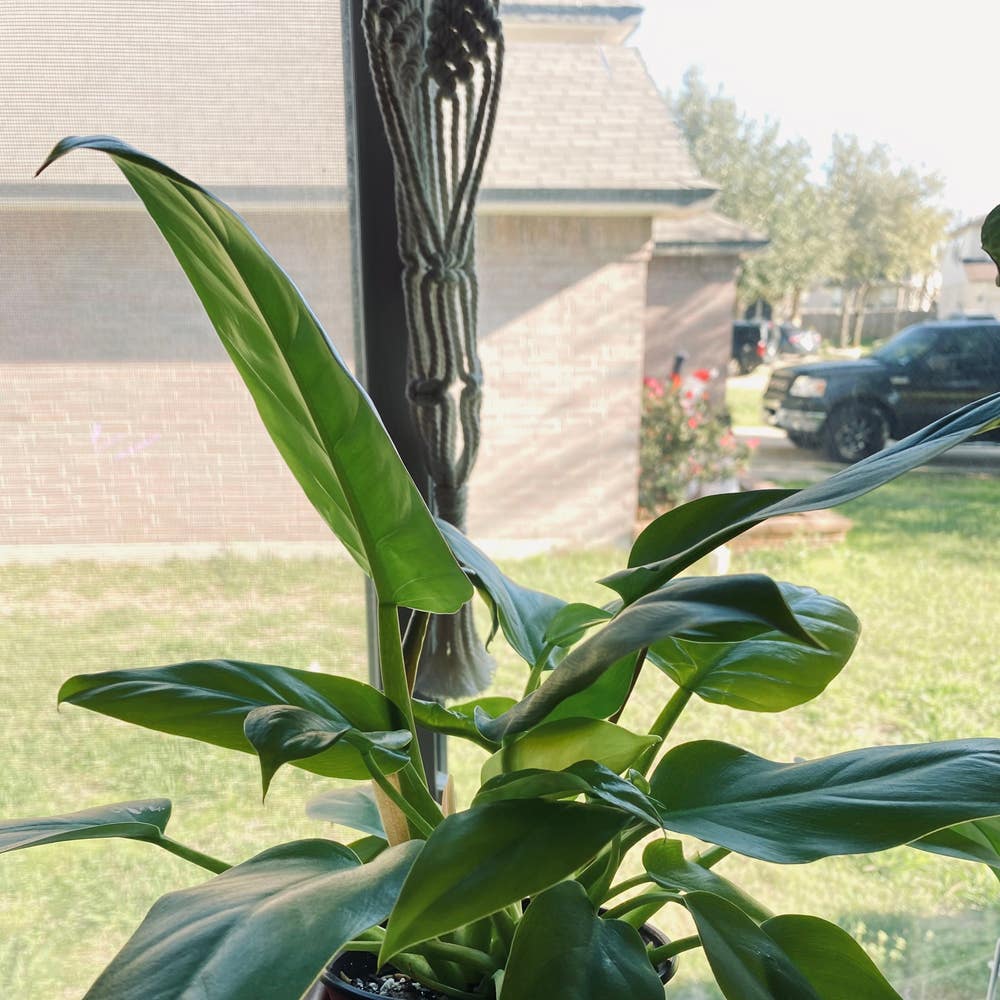
Black Spots on My Philodendron melinonii Leaves
Philodendron melinonii
By the Greg Editorial Team
Jun 18, 2024•4 min read
This article was created with the help of AI so we can cover more plants for you. May contain errors. See one? Report it here.
Prevent black spots from taking over your Philodendron melinonii with this crucial care guide! 🌿🔍
- Black spots signal danger, necessitating immediate attention and action.
- Overwatering and poor airflow are prime causes; adjust care routines accordingly.
- Isolate and treat promptly with correct fungicides or bactericides for recovery.
Spotting Trouble: Recognizing Black Spots on Your Plant
🚨 Initial Symptoms: What to Look For
Black spots on Philodendron melinonii leaves are early warnings. Initially, they may appear as tiny specks, easily dismissed as mere flecks of soil or dust. But don't be fooled. These spots, often less than ⅛ inch across, can quickly grow in size. Look for them on both sides of the leaves, and be wary of any yellowing that accompanies them.
📈 Progression: How Black Spots Spread and Grow
Without prompt action, black spots on your Philodendron melinonii will spread like wildfire. They can start as isolated incidents but soon merge into larger, more ominous blotches. New growth isn't immune; these spots don't discriminate. They'll attack the young and old leaves alike, potentially leading to a full-blown leaf crisis. Keep a close eye on the texture of these spots as well; some may be raised, while others might be sunken, indicating different underlying issues.

Unearthing the Culprits: What's Causing the Black Spots?
🌧️ Too Much Love: The Overwatering Connection
Overwatering is a prime suspect in the case of black spots on Philodendron melinonii. It's the equivalent of an overzealous hug that suffocates; roots drown and fungi thrive. If the soil feels more like a swamp than a bed, you've gone too far.
🌬️ Stale Air Blues: The Role of Air Circulation in Fungal and Bacterial Growth
Stagnant air is a fungal fiesta, inviting unwanted growth. Airflow is crucial; it's the plant's version of a breath of fresh air. Without it, moisture lingers, and bacteria and fungi throw a joint party on your plant's leaves.
🦠 Invaders on the Leaves: Identifying Pathogens at Play
Pathogens are the uninvited guests at the leafy soiree. Fungal culprits like Cercospora create spots like unsightly tattoos, while bacteria such as Pseudomonas leave a slimy calling card. Spotting the difference requires a keen eye and sometimes a magnifying glass.

Taking Action: How to Treat and Beat Black Spots
🛡️ First Response: Immediate Steps to Take
At the first hint of black spots, jump into action. Isolate your Philodendron melinonii to prevent a plant pandemic. Snip off the infected leaves with sterilized shears—think surgical precision. Keep the leaves dry; water at the base to avoid moisture buildup, which is a playground for pathogens.
💉 Choosing Your Weapons: Selecting the Right Fungicides or Bactericides
When it comes to fungicides, timing is everything. Apply at the first sign of fungal treachery. Options like neem oil serve as a natural first line of defense, doubling as an insecticide. For more severe cases, chlorothalonil or mancozeb might be your heavy artillery. Read the label—it's your battle plan, not a mere suggestion.
Bacteria, on the other hand, require a different strategy. Copper compounds are the equivalent of bringing a knight's sword to a duel. They're broad-spectrum and can handle a variety of bacterial villains. In dire situations, antibiotics like streptomycin are your special ops. Deploy early, and follow the rules of engagement—overuse leads to resistance.
Remember, after treatment, monitor your plant like a hawk. New growth is a sign of recovery; it's the plant world's way of giving you a thumbs up.

Keeping Spots at Bay: Long-Term Prevention Strategies
💧 Water Wisdom: Perfecting Your Watering Routine
Consistency is your ally in the battle against black spots. Overwatering is often a death sentence for Philodendron melinonii, leading to root rot and fungal issues. To avoid this, water only when the top inch of soil is dry. Consider using a soil moisture meter for precision, or trust the tried-and-true finger test.
💨 Breezy Solutions: Ensuring Proper Airflow
Airflow is crucial; your Philodendron melinonii doesn't want to live in a wind tunnel, but it does crave a gentle breeze. Position it in a spot where air can circulate freely, but avoid direct drafts. A fan set on low can simulate a natural environment, promoting health and deterring pathogens.
👀 Vigilant Care: Routine Inspections and Maintenance
Regular inspections are non-negotiable. Like a guardian, you must be on the lookout for early signs of trouble. Cleanliness is paramount; ensure your tools and pots are sterilized to prevent the spread of disease. Prune affected leaves with surgical precision, and always water at the base to keep the foliage dry. Remember, prevention is better than cure.
⚠️ Safety First
This content is for general information and may contain errors, omissions, or outdated details. It is not medical, veterinary advice, or an endorsement of therapeutic claims.
Always consult a qualified healthcare professional before using any plant as food, medicine, or supplement.
Never eat any plant (or feed one to pets) without confirming its identity with at least two trusted sources.
If you suspect poisoning, call Poison Control (800) 222-1222, the Pet Poison Helpline (800) 213-6680, or your local emergency service immediately.
Spotted an error? Please report it here.
Prevent and combat black spots 🍃 on your Philodendron melinonii with Greg's custom watering reminders and health tracking for your green companion!