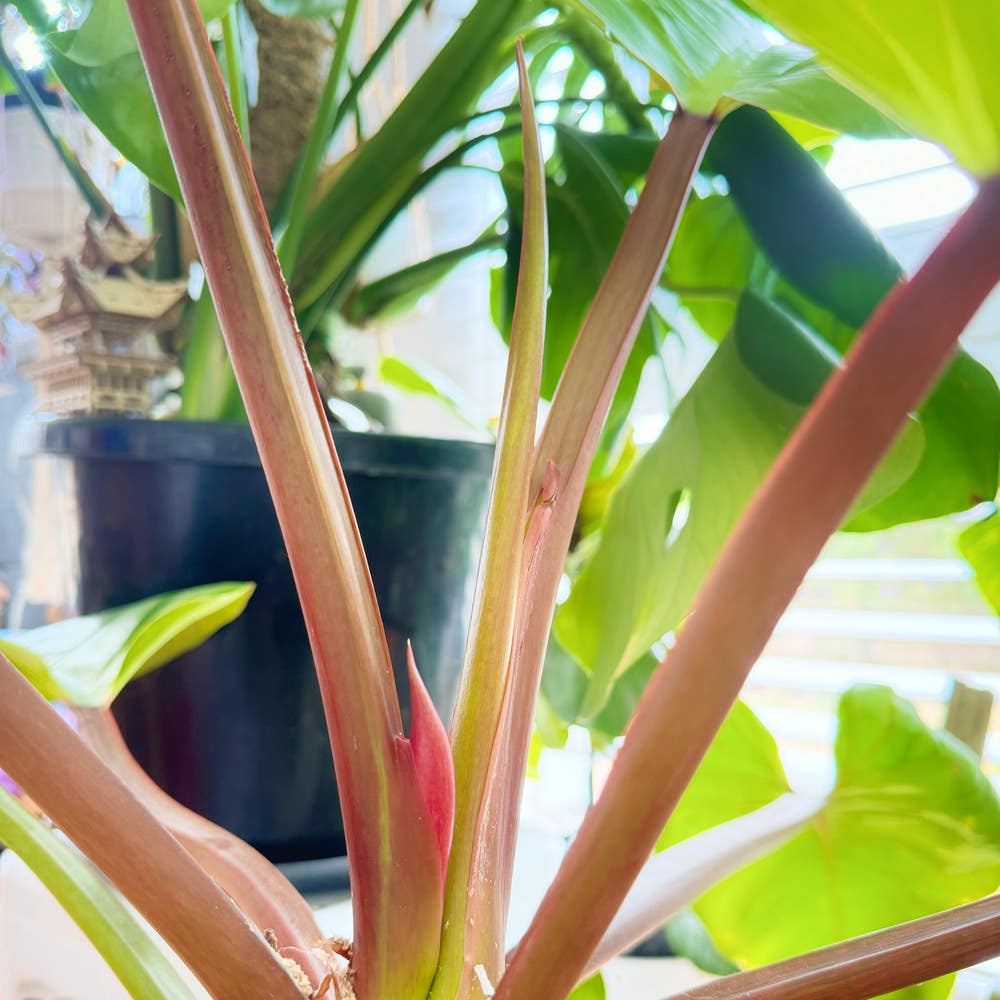
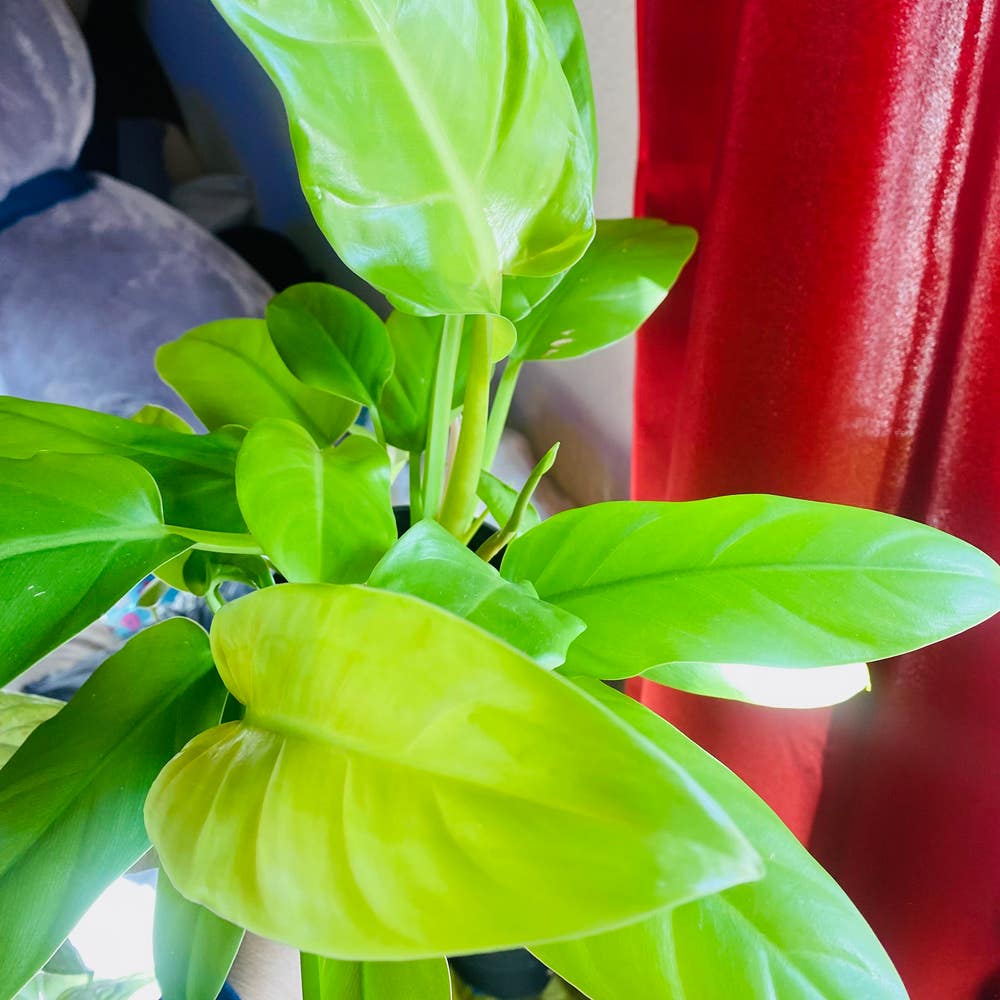
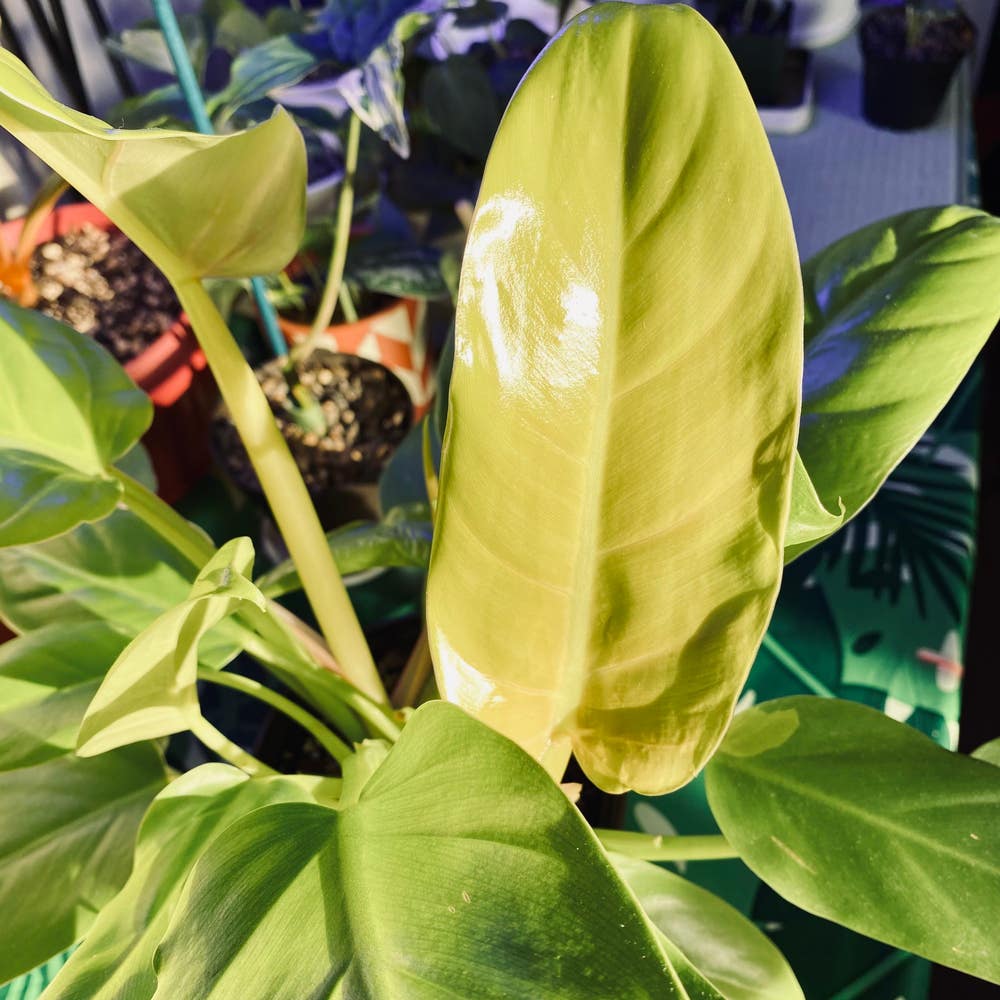
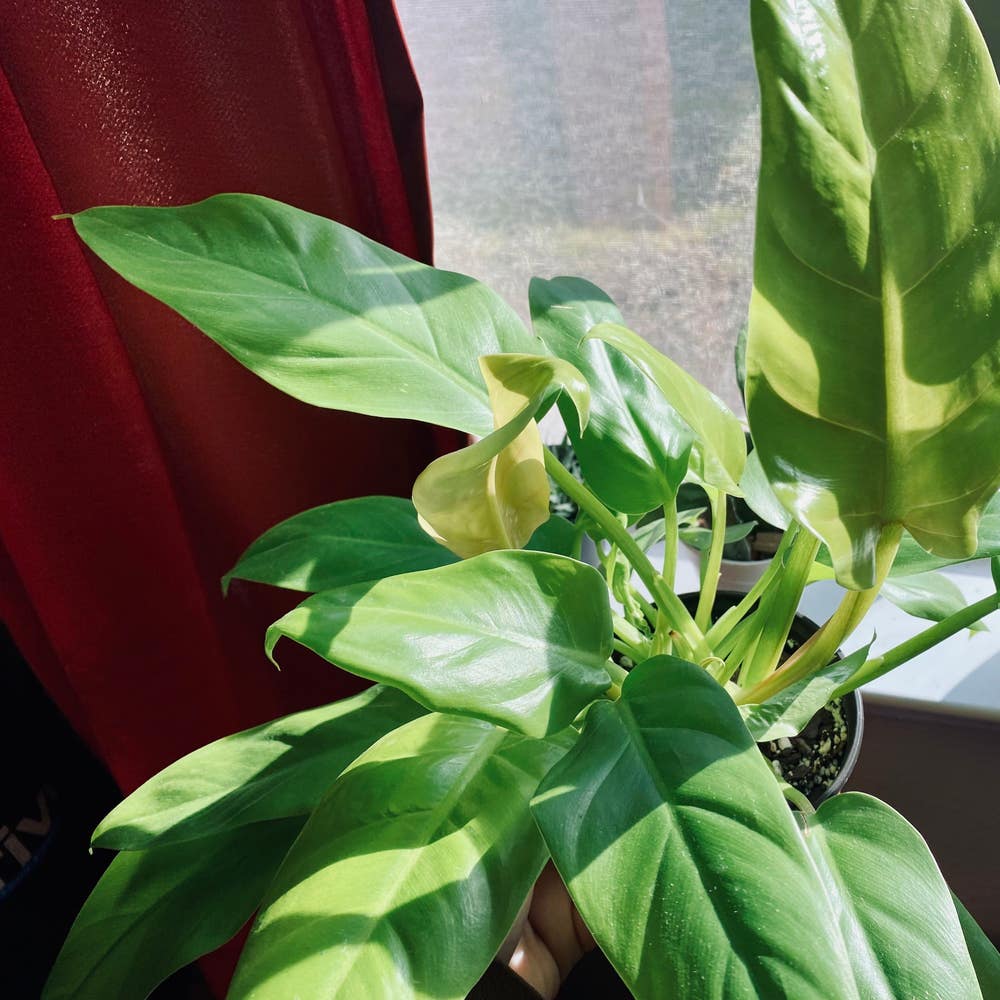
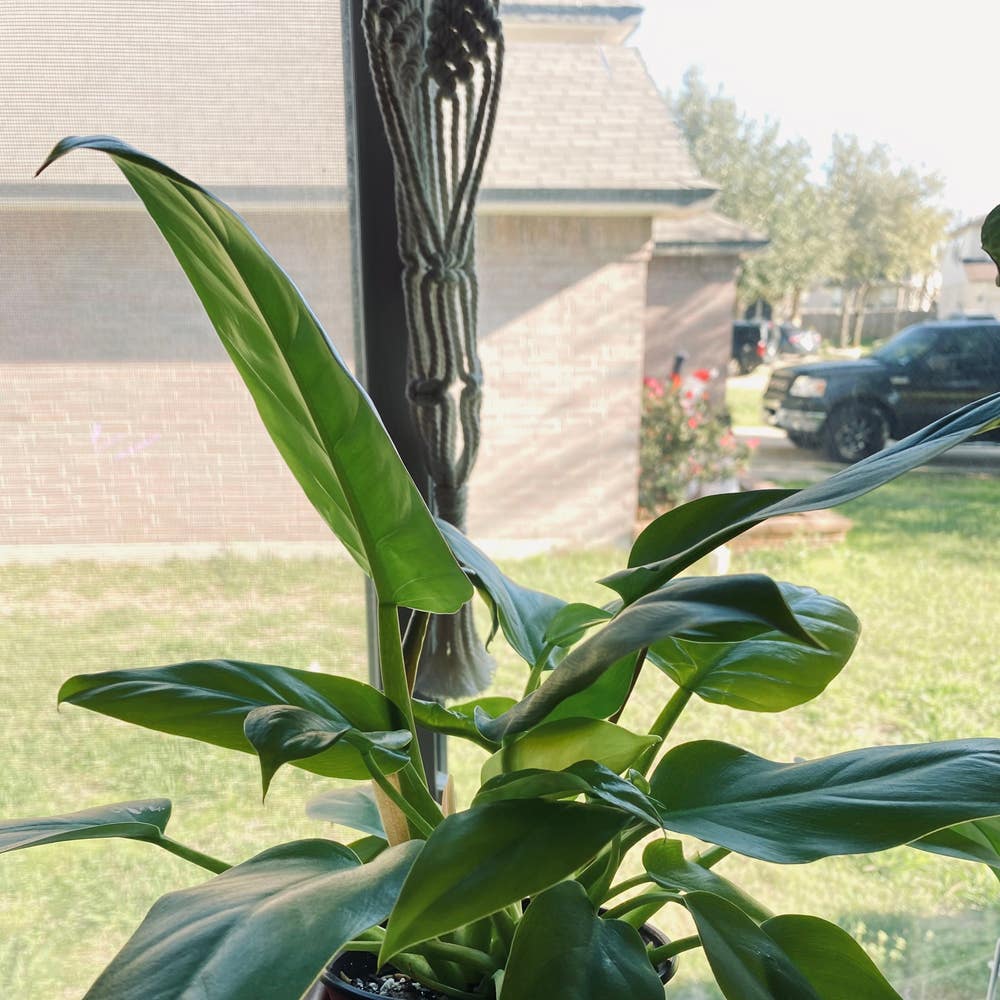
3 Tips for Growing Philodendron melinonii Indoors 🏠
Philodendron melinonii
By the Greg Editorial Team
Sep 30, 2024•5 min read
This article was created with the help of AI so we can cover more plants for you. May contain errors. See one? Report it here.
Unlock a lush indoor oasis with your Philodendron melinonii by mastering its care needs! 🌿
- 🌞 Philodendron melinonii needs bright, indirect sunlight for optimal growth.
- 💧 Water every 1-2 weeks; check soil moisture with the finger test.
- 🌿 Maintain humidity between 60%-80% using trays or humidifiers for thriving plants.
Light Requirements
Ideal Conditions for Growth 🌞
Philodendron melinonii thrives in bright, indirect sunlight. While it can survive in low-light conditions, it won't reach its full potential without adequate light.
For optimal growth, aim for indoor light levels between 1000 to 2000 lux. This range ensures your plant receives the energy it needs to flourish.
Role of Grow Lights 💡
In situations where natural light falls short, grow lights become essential. They supplement light, especially in dimly lit spaces, promoting healthy growth and vibrant foliage.
When choosing a grow light, consider the type—LEDs are energy-efficient and long-lasting, while fluorescent lights are budget-friendly. Look for a spectrum that supports plant growth, and position the lights to maximize exposure without causing leaf burn.
Watering Needs
Frequency and Amount of Water 🌊
Watering your Philodendron melinonii is crucial for its health. Aim to water every 1-2 weeks, adjusting based on your home's humidity and temperature.
To check soil moisture, use the finger test. Insert your finger about 1-2 inches deep; if it feels dry, it’s time to water.
Signs of Overwatering and Underwatering 🚰
Recognizing the signs of overwatering is key to keeping your plant thriving. Look for yellowing leaves, root rot, or mushy stems as indicators that you might be giving it too much water.
On the flip side, underwatering can lead to wilting, crispy leaf edges, and slow growth. Keep an eye on your plant to ensure it gets just the right amount of hydration.
Understanding these watering needs will set you on the right path to nurturing a healthy Philodendron melinonii. Next, let’s explore the humidity and temperature requirements that will further enhance its growth.
Humidity and Temperature
Optimal Humidity Levels 🌧️
For your Philodendron melinonii to thrive, aim for a humidity level between 60% and 80%. This range mimics its natural tropical habitat, promoting lush growth and vibrant leaves.
To boost humidity, consider these methods:
- Pebble Trays: Place a tray filled with pebbles and water beneath your plant. As the water evaporates, it increases the humidity around the plant.
- Humidifiers: These devices can effectively raise humidity levels in a room, especially during dry seasons.
- Grouping Plants: Cluster your plants together. They create a microenvironment with higher humidity through transpiration.
Temperature Range 🌡️
The ideal temperature for your Philodendron melinonii is between 18°C to 27°C (65°F to 80°F). This range ensures optimal growth and health.
Be cautious of cold temperatures. Avoid exposing your plant to conditions below 15°C (59°F) to prevent leaf drop and stress. Keeping your plant in a stable environment will help it flourish.
Maintaining the right humidity and temperature is crucial for your plant's well-being. With these tips, you can create a nurturing atmosphere that supports healthy growth. Next, let’s explore the soil and fertilization needs for your Philodendron melinonii.
Soil and Fertilization
Best Soil Type 🌱
For your Philodendron melinonii, a well-draining potting mix enriched with organic matter is essential. This combination promotes healthy root development and prevents waterlogging.
The ideal pH level for optimal nutrient uptake ranges from 6.0 to 7.0. This slightly acidic to neutral range ensures your plant can absorb the nutrients it needs to thrive.
Fertilization Schedule 📅
During the growing season, fertilize your plant every 4-6 weeks. This regular feeding supports robust growth and vibrant foliage.
Opt for a balanced liquid fertilizer, like a 20-20-20 mix, but remember to dilute it to half strength. This approach prevents nutrient burn while still providing essential nourishment.
By ensuring the right soil and fertilization practices, you set the stage for a flourishing Philodendron melinonii. Next, let’s explore common issues and solutions to keep your plant healthy and happy.
Common Issues and Solutions
🐛 Pests and Diseases
Common Pests
Spider mites and mealybugs are the most common pests that can affect your Philodendron melinonii. Look for webbing and stippled leaves to identify spider mites, while mealybugs appear as white, cotton-like clusters on stems and leaves.
Prevention and Treatment Methods
To keep your plant healthy, conduct regular inspections at least once a week. If you spot any pests, consider using neem oil, insecticidal soap, or introducing beneficial insects to manage the infestation effectively.
🌪️ Environmental Stress
Signs of Stress
Your plant may show signs of stress through leaf drop or discoloration. Leaf drop often results from low humidity or sudden temperature changes, while yellowing leaves can indicate too much direct sunlight.
Solutions for Maintaining Optimal Conditions
To combat these issues, adjust the light exposure by moving your plant to a brighter or shadier location as needed. Additionally, increase humidity by using a humidifier or misting the leaves regularly to create a more favorable environment.
By addressing these common issues, you can ensure your Philodendron melinonii thrives indoors. Next, let’s explore the best practices for placement and maintenance to keep your plant looking its best.
Placement and Maintenance
🌅 Best Locations in the Home
Ideal Spots
For your Philodendron melinonii, the best locations are near east or west-facing windows. These spots provide the bright, indirect sunlight the plant craves.
Avoiding Drafts
Keep your plant away from drafts, such as air conditioning vents and open windows. This helps maintain a stable environment, crucial for its health.
✨ Maintaining Appearance
Pruning and Cleaning Leaves
Prune your plant as needed to remove any dead or yellowing leaves. This not only keeps it looking fresh but also encourages new growth.
Cleaning Method
To keep the leaves dust-free, simply wipe them with a damp cloth. This simple act can enhance photosynthesis and overall plant vitality.
🌿 Tips for Promoting Bushy Growth
Pinching Back
To encourage a bushier appearance, pinch back the tips of the stems. This promotes branching and gives your plant a fuller look.
Rotating the Plant
Regularly rotate your Philodendron to ensure even light exposure. This helps prevent uneven growth and keeps your plant looking balanced and healthy.
By following these placement and maintenance tips, you'll create an ideal environment for your Philodendron melinonii to thrive. Next, let’s explore its watering needs to keep it hydrated and happy.
⚠️ Safety First
This content is for general information and may contain errors, omissions, or outdated details. It is not medical, veterinary advice, or an endorsement of therapeutic claims.
Always consult a qualified healthcare professional before using any plant as food, medicine, or supplement.
Never eat any plant (or feed one to pets) without confirming its identity with at least two trusted sources.
If you suspect poisoning, call Poison Control (800) 222-1222, the Pet Poison Helpline (800) 213-6680, or your local emergency service immediately.
Spotted an error? Please report it here.
Grow your Philodendron melinonii effortlessly 🌿 with Greg's tailored care reminders and expert tips to keep it thriving in your home!