Philodendron melinonii: Not an Invasive Plant
Philodendron melinonii
By the Greg Editorial Team
Sep 30, 2024•5 min read
This article was created with the help of AI so we can cover more plants for you. May contain errors. See one? Report it here.
Transform your garden with Philodendron melinonii, a stunning plant that nurtures ecosystems without invading! 🌱
- 🌱 Philodendron melinonii is non-invasive, promoting biodiversity in your garden.
- 🌿 Slow growth rate allows native plants to thrive alongside it, enhancing local ecosystems.
- 🌞 Prefers shaded areas with humidity, making it versatile for various garden designs.
Plant Classification
Definition of Invasive Plants 🌱
Invasive plants are species that exhibit certain characteristics making them harmful to local ecosystems. They typically grow and spread rapidly, displacing native flora and negatively impacting biodiversity.
These plants can outcompete local species for resources, leading to a decline in native plant populations. This disruption can create a cascade of effects, harming local wildlife that relies on native plants for food and habitat.
Why Philodendron melinonii is Not Invasive 🌿
Philodendron melinonii stands out as a non-invasive species due to its slow growth rate. Unlike aggressive invaders, it takes its time to establish, allowing native plants to thrive alongside it.
Additionally, this plant has limited spread potential, preferring specific environmental conditions. It contributes positively to local ecosystems, enhancing biodiversity without overwhelming native flora.
Incorporating Philodendron melinonii into your garden can enrich the environment while maintaining a balanced ecosystem. This makes it an excellent choice for gardeners who care about sustainability and biodiversity.
Growth Habits
🌱 Typical Growth Patterns in Gardens
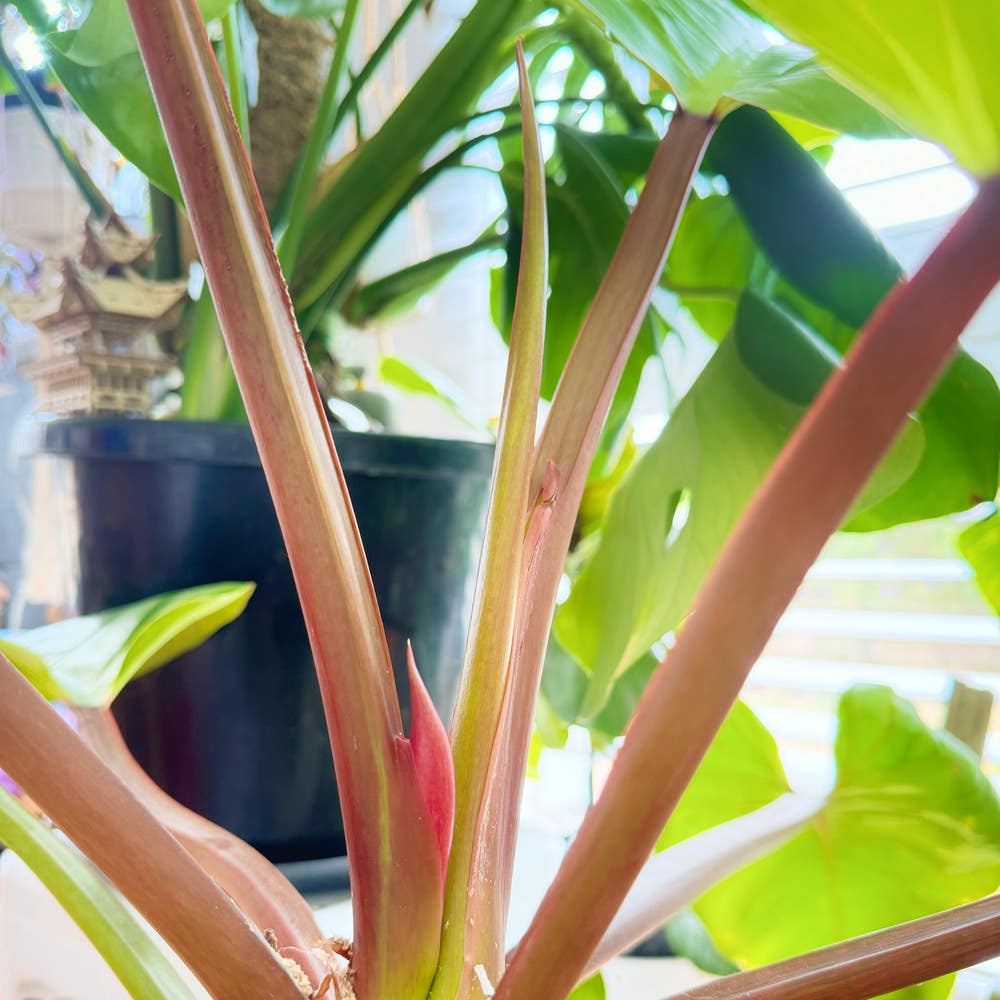
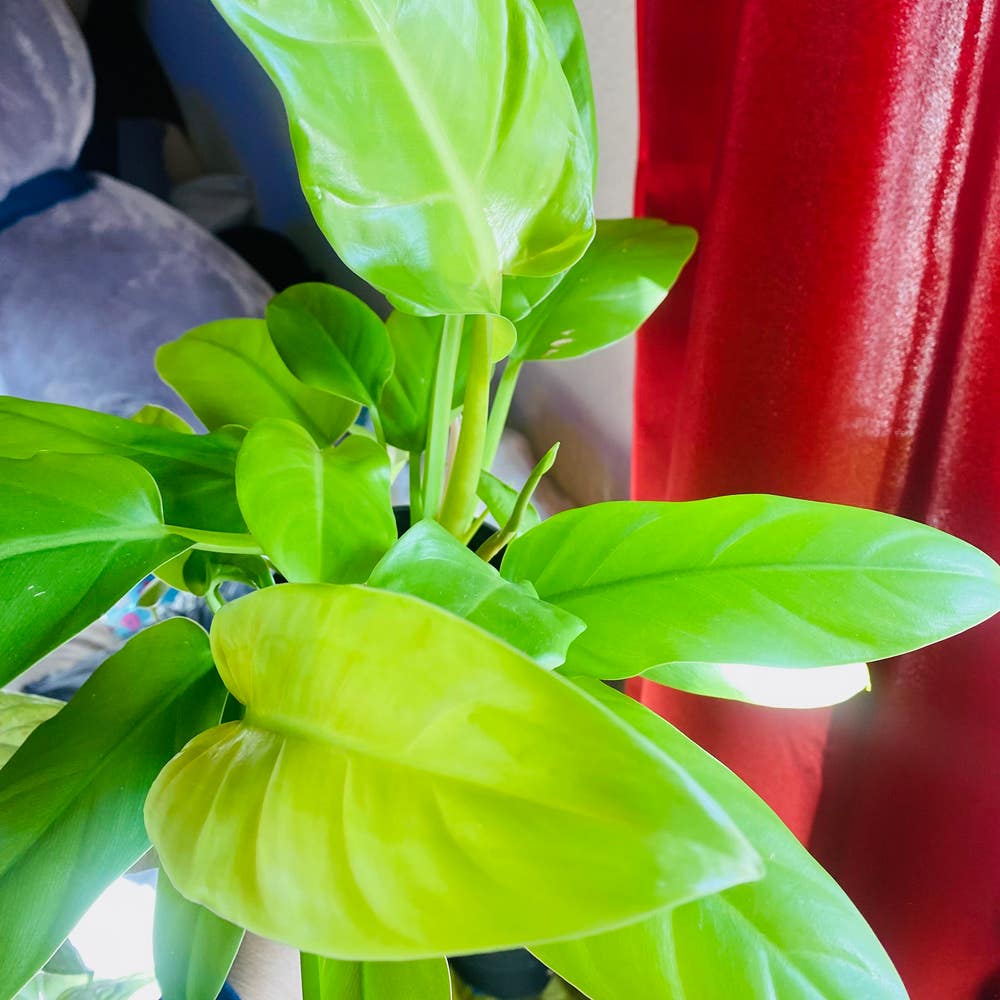
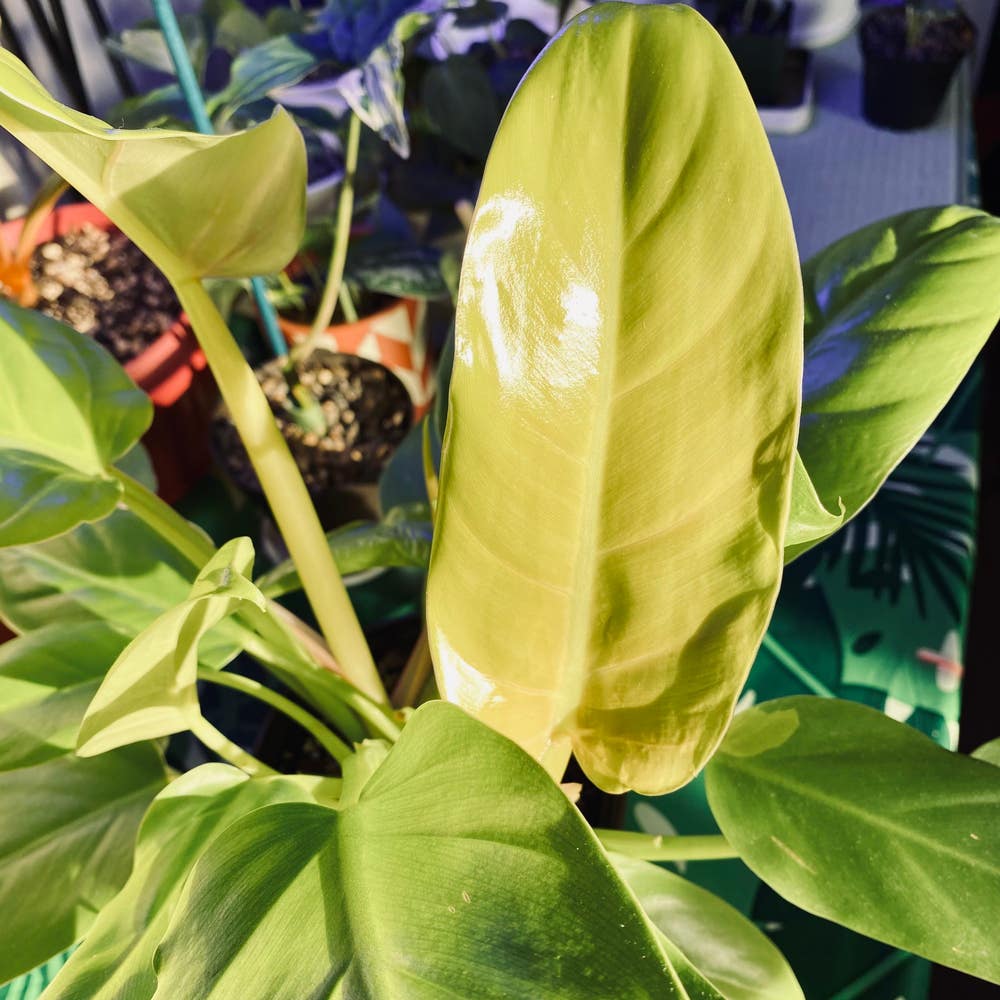
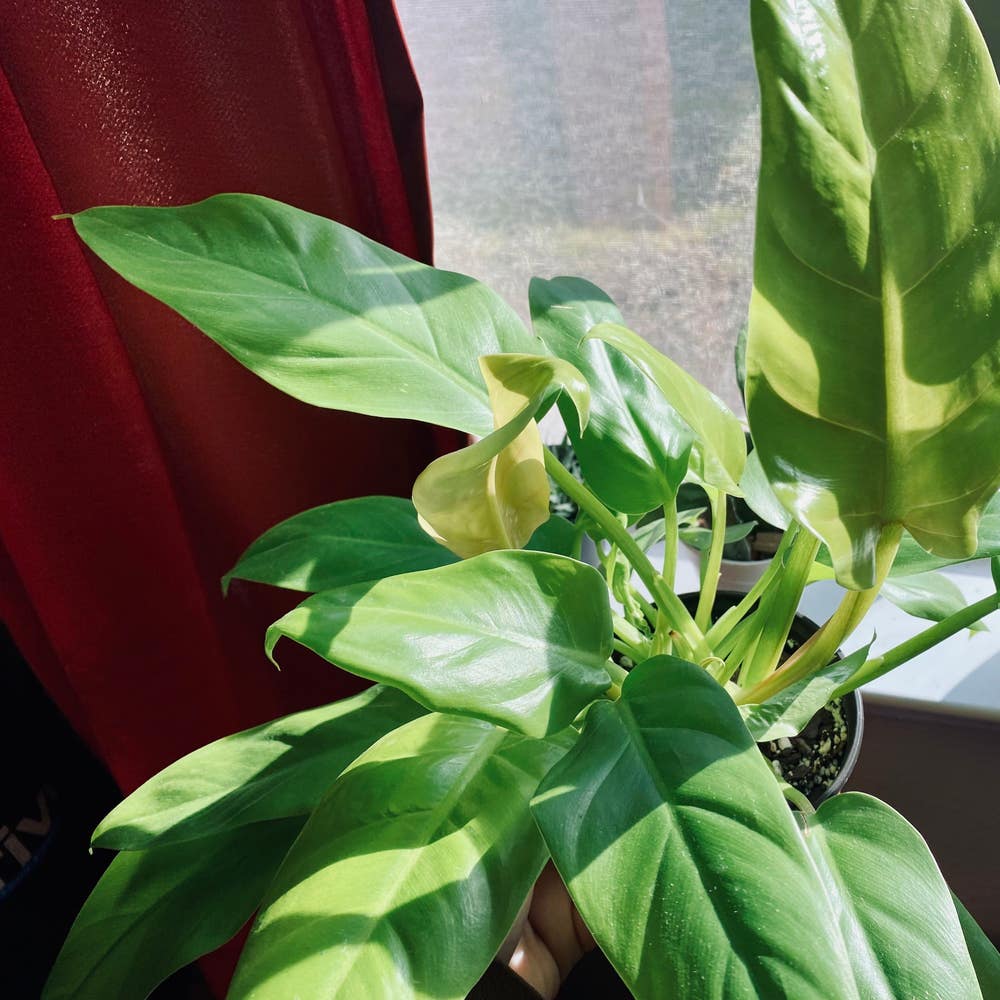
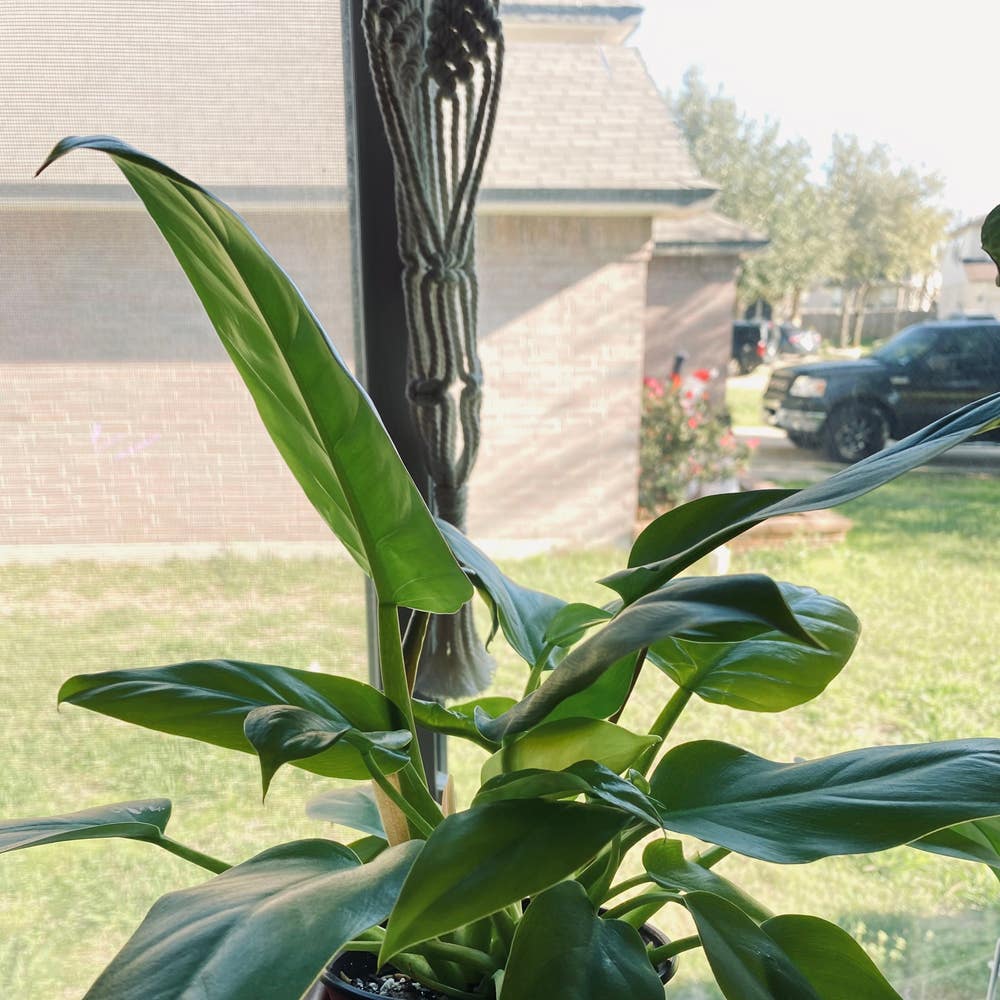
Philodendron melinonii is known for its climbing and trailing nature, making it a versatile choice for various garden designs. Its large, glossy leaves can reach up to 12 inches long, adding a striking visual element to any space.
This plant thrives in shaded or partially shaded areas, preferring moderate to high humidity. Its adaptability to these conditions allows it to flourish while enhancing the overall aesthetic of your garden.
🚧 Natural Limits to Growth and Spread Potential
To ensure optimal growth, well-draining soil is essential for Philodendron melinonii. Without this, the plant may struggle to establish itself and reach its full potential.
Growth is limited in low humidity or direct sunlight, which can hinder its development. Regular pruning is also necessary to maintain the desired shape and size, allowing you to control its spread effectively.
Incorporating these growth habits into your gardening strategy will help you appreciate the unique qualities of Philodendron melinonii while keeping it manageable. Next, we’ll explore its ecological role and the benefits it brings to gardens and local ecosystems.
Ecological Role
Benefits in Gardens and Ecosystems 🌿
Philodendron melinonii plays a vital role in enhancing biodiversity. Its lush foliage provides habitat for various organisms, creating a mini-ecosystem right in your garden.
Moreover, this plant contributes to soil health through the decomposition of its leaf litter. As the leaves break down, they enrich the soil, promoting a healthier environment for other plants to thrive.
Positive Interactions with Local Wildlife 🐝
This species is a magnet for pollinators like bees and butterflies. By attracting these essential creatures, Philodendron melinonii supports the broader ecosystem.
Additionally, it offers shelter for small wildlife and beneficial insects. This creates a balanced environment, fostering a thriving garden that benefits both plants and animals alike.
Incorporating Philodendron melinonii into your garden not only beautifies your space but also enriches the local ecosystem. As we explore garden management next, consider how to maintain this plant's ecological benefits while keeping your garden looking its best.
Garden Management
Incorporating into Garden Designs 🌿
Philodendron melinonii can be a stunning addition to your garden. Use it as a ground cover or let it climb up trellises for a vertical element.
Pairing it with other tropical foliage plants creates a lush, vibrant look. The glossy leaves of Philodendron melinonii complement a variety of textures and colors, enhancing your garden's overall appeal.
Controlling Growth for Aesthetic Purposes ✂️
To maintain its beauty, regular trimming is essential. This helps control its size and shape, ensuring it fits well within your garden design.
Assessing its spread is also crucial. Adjust your care routine as needed to keep it thriving without overwhelming other plants.
By managing its growth effectively, you can enjoy the benefits of Philodendron melinonii while maintaining a harmonious garden environment.
As you consider these management strategies, think about how they can enhance your overall gardening experience.
Comparison to Other Plants
🌿 Similar Non-Invasive Plants
When considering non-invasive tropical foliage, Philodendron melinonii stands out alongside popular choices like Monstera and Pothos. Each of these plants shares a love for humidity and shade, making them ideal companions in a lush garden setting.
Monstera, with its iconic split leaves, can grow quite large, while Pothos is known for its trailing vines. In contrast, Philodendron melinonii features large, glossy leaves that can reach up to 12 inches long, offering a unique aesthetic.
✨ Unique Qualities
What sets Philodendron melinonii apart is its distinctive leaf shape and size. Its broad, heart-shaped leaves create a striking visual impact that can elevate any garden design.
Moreover, this plant thrives in lower light conditions, making it a versatile choice for indoor spaces or shaded areas. This adaptability allows gardeners to enjoy its beauty without the constant need for bright sunlight, unlike many other tropical plants.
In summary, Philodendron melinonii not only complements other non-invasive species but also brings its own unique charm to the table. As we explore its ecological role next, you'll see how it contributes positively to its environment.
Legal and Environmental Considerations
Relevant Classifications and Guidelines 🌱
When considering the addition of Philodendron melinonii to your garden, it's essential to be aware of local regulations regarding non-invasive species. Many regions have guidelines to promote biodiversity and prevent the spread of invasive plants.
Sourcing your plants from reputable nurseries is crucial. This ensures that you're getting healthy specimens that are less likely to disrupt local ecosystems.
Role in Sustainable Gardening Practices ♻️
Choosing non-invasive plants like Philodendron melinonii plays a vital role in promoting biodiversity. These plants support local wildlife and contribute to a balanced ecosystem.
Incorporating Philodendron melinonii into your landscape design is not just about aesthetics; it's about sustainability. By selecting plants that coexist harmoniously with native species, you create a thriving environment that benefits both your garden and the surrounding ecosystem.
As you plan your garden, remember that every plant choice matters. Opting for non-invasive species is a step toward a healthier, more sustainable landscape.
⚠️ Safety First
This content is for general information and may contain errors, omissions, or outdated details. It is not medical, veterinary advice, or an endorsement of therapeutic claims.
Always consult a qualified healthcare professional before using any plant as food, medicine, or supplement.
Never eat any plant (or feed one to pets) without confirming its identity with at least two trusted sources.
If you suspect poisoning, call Poison Control (800) 222-1222, the Pet Poison Helpline (800) 213-6680, or your local emergency service immediately.
Spotted an error? Please report it here.
Elevate your garden's beauty and biodiversity 🌱 with Philodendron melinonii, and let Greg guide you with tailored care tips to ensure it thrives in your unique environment!