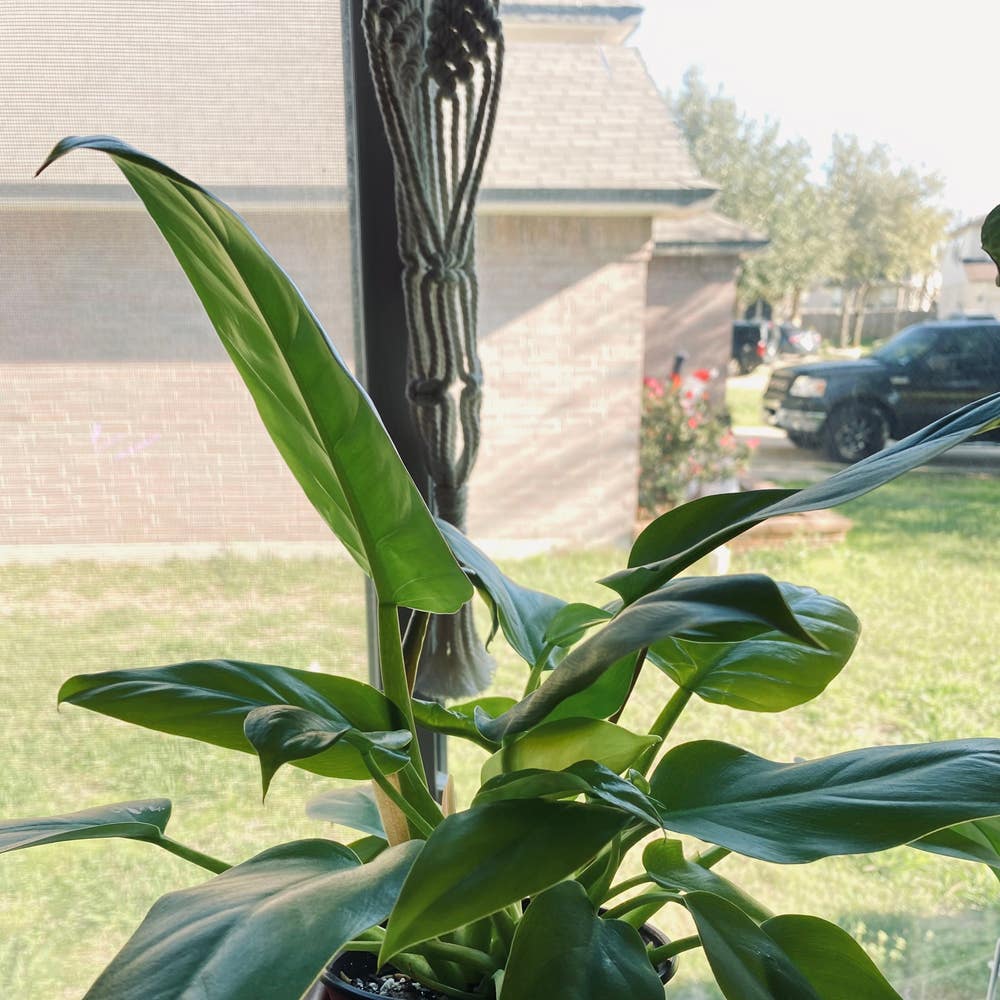
Why Are There Brown Spots on My Philodendron melinonii?
Philodendron melinonii
By the Greg Editorial Team
Jun 18, 2024•5 min read
This article was created with the help of AI so we can cover more plants for you. May contain errors. See one? Report it here.
Banish brown spots on your Philodendron 🌿 and ensure its perpetual perfection with our expert guide!
- Watering issues are a top cause of brown spots; adjust routines accordingly.
- 🌡️ Consistent temperature and bright, indirect light help prevent brown spots.
- Combat pests and diseases promptly with fungicides and pest control.
Spotting the Trouble: Brown Spots on Your Philodendron
🕵️ Recognizing Brown Spots
Brown spots on Philodendron melinonii leaves can vary in appearance. You might see tiny speckles or large, unsightly blotches. These spots often favor the limelight of the leaf's center or the sidelines along the edges. In severe cases, they can throw a spotty soiree, covering the leaf in a chaotic pattern.
🦠 Common Culprits
The primary causes of these blemishes are often watering issues and environmental stress. Overwatering can make roots soggy, leading to brown spots, while underwatering leaves your plant gasping for moisture. Temperature swings and improper lighting can also stress your Philodendron, causing those unsightly spots to appear.

Water Woes: Overwatering vs. Underwatering
🌊 Overwatering Overload
Overwatering can turn your Philodendron melinonii into a botanical Titanic, with brown spots signaling an iceberg ahead. Leaves may yellow, wilt, or feel mushy to the touch, indicating that you've been too generous with the watering can.
To adjust your watering routine, let the top inch of soil dry out before reaching for the watering can again. Consider the season; plants are less thirsty in the cooler months. Ensure your pot has drainage holes to prevent your plant's roots from sitting in water.
💧 The Underwatering Undertone
Underwatering leaves your plant looking more like a dried-up tumbleweed than a lush, tropical Philodendron. Crispy, dry leaves with brown spots are a cry for hydration.
For rehydration, water your plant thoroughly, allowing the water to reach the roots without flooding the pot. A consistent watering schedule is key, but always check the soil moisture first—your plant's needs can change with the weather.

Environmental Factors and Their Fixes
🌡️ Temperature Tantrums
Philodendron melinonii doesn't appreciate dramatic temperature shifts. These fluctuations can lead to brown spots, a sign of your plant's discomfort. Maintain a consistent temperature range, ideally between 65-80°F (18-27°C), to keep your plant from getting stressed.
💦 Humidity and Light: Striking the Right Balance
Humidity plays a crucial role in preventing brown spots. Your Philodendron melinonii prefers a humidity level of 40-60%. If your indoor air is too dry, consider using a humidifier or a pebble tray with water to increase moisture. As for light, aim for bright, indirect sunlight. Direct sun can scorch the leaves, while too little light can weaken the plant. Adjust your plant's location to avoid direct sun exposure during peak hours.

Battling Brown Spots: Disease and Pest Intruders
🍄 Fungal Foes and How to Fight Them
Fungal diseases are the silent saboteurs of your Philodendron melinonii, leaving behind those dreaded brown spots. Concentric rings or halos around the spots are the telltale signs of a fungal party you didn't invite.
🚨 Immediate Action
- Remove infected leaves to prevent the fungus from spreading its influence.
- Boost air circulation; it's like giving your plants their personal space.
🛡️ Proactive Measures
- Fungicides are your allies here. Use them wisely, adhering strictly to the label instructions.
🐜 Pests: Unwanted Guests Causing Brown Spots
Pests are the uninvited plus-ones that crash your plant's serene existence, often leaving brown spots as evidence of their trespassing. Sticky residue or tiny insects under the leaves? You've got pests.
🦟 Pest Control Strategies
- Introduce natural predators like ladybugs for aphids.
- Employ neem oil or insecticidal soap for a direct hit.
- Yellow sticky traps and Bacillus thuringiensis are your go-to for fungus gnats.
- For spider mites, a water blast or peppermint oil solution can be effective.
🛡️ Prevention is Key
- Keep the environment around your Philodendron clean to deter future invasions.
- Regular inspections and prompt action are your best defense.
Turning Over a New Leaf: Recovery and Prevention
🩹 Healing the Hurt
When brown spots invade your Philodendron melinonii, it's time for triage. Prune the affected leaves with sterilized scissors—think clean cuts, not hack jobs. This isn't just cosmetic; it's about stopping the spread of potential pathogens.
After surgery, keep the environment around your plant clean. Fallen leaves? They're out. They're not just untidy; they're a breeding ground for trouble.
🛡️ Future-Proofing Your Philodendron
Prevention is your new mantra. Start with watering—check the soil's moisture an inch down. If it's dry, it's time to water; if it's damp, step away from the watering can.
Humidity and light need a balanced approach. Too much moisture and your plant's living in a swamp; too little and it's a desert. Aim for that sweet spot where the air is humid but not wet, and the light is bright but not scorching.
Keep an eye out for pests—they're sneaky, but they leave clues. Spot them early and show them the door with neem oil or insecticidal soap.
Fertilize with a light hand. More is not better; it's just more, and your Philodendron doesn't need the extra baggage. Stick to a schedule and watch your plant thrive without the drama.
Lastly, airflow is key. Good circulation keeps the environment fresh and discourages fungal gate-crashers. So, let it breathe, and watch those brown spots become a thing of the past.
⚠️ Safety First
This content is for general information and may contain errors, omissions, or outdated details. It is not medical, veterinary advice, or an endorsement of therapeutic claims.
Always consult a qualified healthcare professional before using any plant as food, medicine, or supplement.
Never eat any plant (or feed one to pets) without confirming its identity with at least two trusted sources.
If you suspect poisoning, call Poison Control (800) 222-1222, the Pet Poison Helpline (800) 213-6680, or your local emergency service immediately.
Spotted an error? Please report it here.
Eradicate brown spots 🍂 on your Philodendron melinonii by leveraging Greg's custom watering schedules and environmental tips to keep your plant in top health.