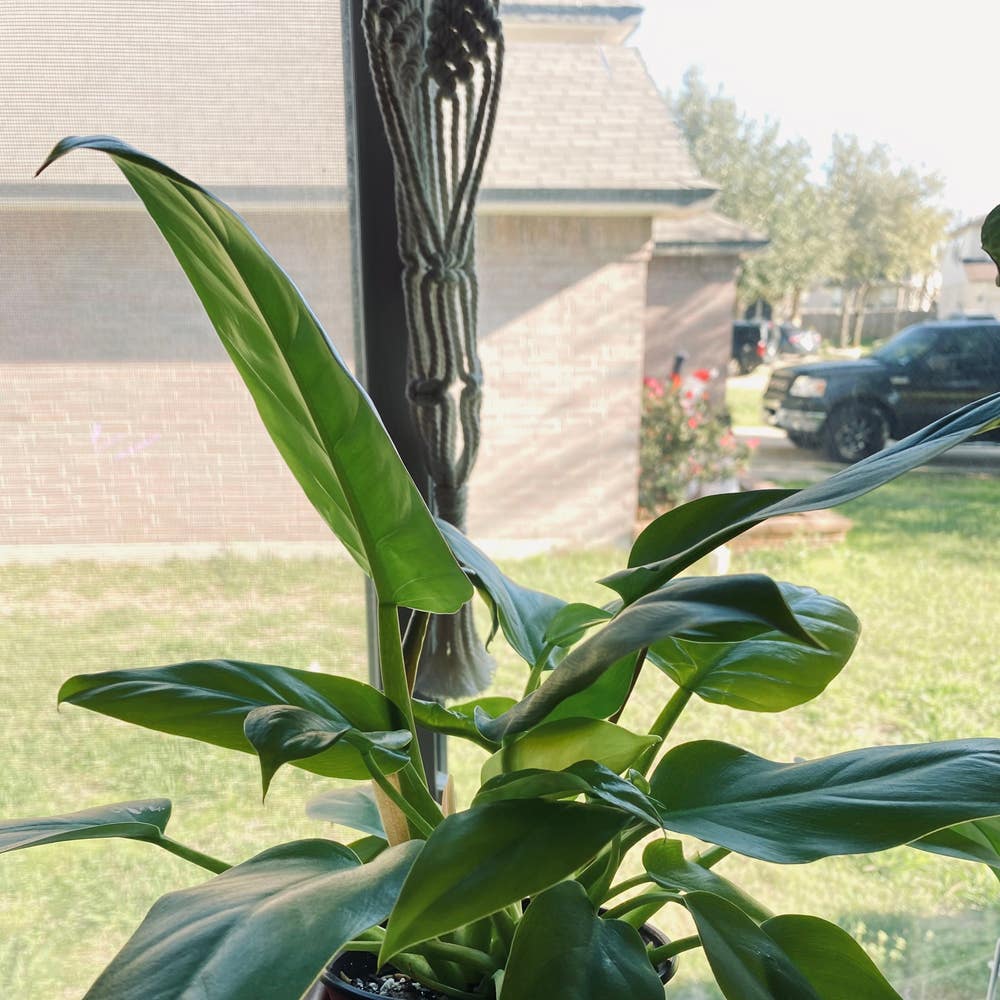
Philodendron melinonii - Ultimate Guide to Fertilizing
Philodendron melinonii
By the Greg Editorial Team
Jun 18, 2024•3 min read
This article was created with the help of AI so we can cover more plants for you. May contain errors. See one? Report it here.
Unlock lush growth and stunning blooms in your Philodendron melinonii with our expert fertilizing secrets. 🌿💡
- Balanced 20-20-20 N-P-K ratio ideal for Philodendron melinonii health.
- Adjust fertilizing with growth and seasons: more in spring, less in winter.
- Prevent over-fertilization: dilute, use slow-release, and watch for warning signs.
Picking the Right Fertilizer
💚 Balanced Fertilizers: The Key to Happy Philodendrons
Philodendron melinonii thrives on balance. A fertilizer with an N-P-K ratio of 20-20-20 hits the sweet spot, ensuring equal parts nitrogen, phosphorus, and potassium. This trio is the trifecta of plant health, promoting lush leaves, strong roots, and overall vigor.
When it comes to organic versus synthetic fertilizers, it's a showdown. Organic options are the tortoises of the race—slow and steady, feeding your plant and the soil over time. Synthetic fertilizers are hares, giving a quick nutrient fix but with the risk of too much, too soon. Moderation is key; use synthetics with a gentle hand to avoid overwhelming your green buddy.
🌿 The Micronutrient Magic
Micronutrients are the unsung heroes of plant health. Iron and magnesium, for instance, are essential for chlorophyll production, giving leaves their vibrant green hue. A fertilizer rich in these micronutrients can work wonders for your Philodendron melinonii.
To ensure you're getting the right mix, look for fertilizers that list micronutrients like calcium and manganese. These ingredients support various metabolic processes, keeping your plant in top form. Remember, it's not just about the N-P-K; it's the full spectrum of nutrients that keeps your Philodendron melinonii in the limelight.

Timing is Everything: Fertilizing Schedule
💪 Growth Phases and Fertilizer Frequency
Philodendron melinonii's active growth phase demands regular feeding. During spring and summer, fertilize every 2-4 weeks to support its lush foliage expansion. As growth slows in the dormant period, typically fall and winter, reduce this frequency significantly.
🍂 Seasonal Adjustments
Spring jumpstarts with a higher nitrogen mix to fuel leaf development. Transition to a phosphorus-rich fertilizer as summer wanes to prepare for dormancy. Fall calls for a gradual reduction in fertilization about 8 weeks before the first frost. In winter, maintain minimal feeding to conserve the plant's energy.

Fertilizing Techniques for Philodendron Melinonii
💧 The Dilution Solution
Diluting your fertilizer is like giving your Philodendron melinonii a light, refreshing drink rather than a full-blown feast. Mix water and fertilizer at half-strength to start, ensuring you don't overwhelm the plant's roots. Always check the label for the manufacturer's recommended ratio, but when in doubt, go leaner to avoid the dreaded root burn.
🐢 Slow and Steady Wins the Race
Slow-release fertilizers are the unsung heroes for the forgetful gardener. They provide a consistent nutrient supply over months, minimizing the risk of overfeeding. To use, simply sprinkle the granules on top of the soil or bury them slightly, depending on the product's instructions. This method is especially handy during the growing season, ensuring your Philodendron melinonii gets a steady diet of goodness without the risk of chemical burns.

Spotting the Signs: Over-Fertilization and Its Remedies
🚨 Recognizing Trouble
Philodendron melinonii, with its lush foliage, is not immune to the perils of over-fertilization. Keep an eye out for browning leaf tips and wilting, which are the plant's distress signals. A white, salty crust on the soil's surface is another red flag, indicating that your green buddy is overwhelmed by nutrients.
🛠 Quick Fixes for Fertilizer Fiascos
When you've crossed the line with fertilizer, it's time for damage control. Cease all fertilization to stop the onslaught of nutrients. If you spot a buildup on the soil, get rid of it; that's excess fertilizer just sitting there. Now, grab your watering can and flush the soil—this isn't a one-time deal, so be prepared to repeat. Pruning the damaged parts can be tough love, but it's necessary. After your plant shows signs of recovery, you can cautiously resume fertilizing, but remember—moderation is key.
⚠️ Safety First
This content is for general information and may contain errors, omissions, or outdated details. It is not medical, veterinary advice, or an endorsement of therapeutic claims.
Always consult a qualified healthcare professional before using any plant as food, medicine, or supplement.
Never eat any plant (or feed one to pets) without confirming its identity with at least two trusted sources.
If you suspect poisoning, call Poison Control (800) 222-1222, the Pet Poison Helpline (800) 213-6680, or your local emergency service immediately.
Spotted an error? Please report it here.
Achieve lush foliage 🌿 with Greg's tailored fertilization reminders, ensuring your Philodendron melinonii thrives without the guesswork.