🔍 Identifying What is Eating Your Philodendron melinonii
Philodendron melinonii
By the Greg Editorial Team
Sep 30, 2024•6 min read
This article was created with the help of AI so we can cover more plants for you. May contain errors. See one? Report it here.
Safeguard your beautiful Philodendron melinonii 🌿 from hungry herbivores with these expert protection strategies!
- 🌱 Philodendron melinonii attracts herbivores like deer, rabbits, and squirrels, risking damage.
- 🐾 Signs of damage include chewed leaves, droppings, and burrows—monitor regularly!
- 🚫 Effective deterrents include repellents, fencing, and seasonal adjustments for protection.
Description and Appeal
Appearance 🌿
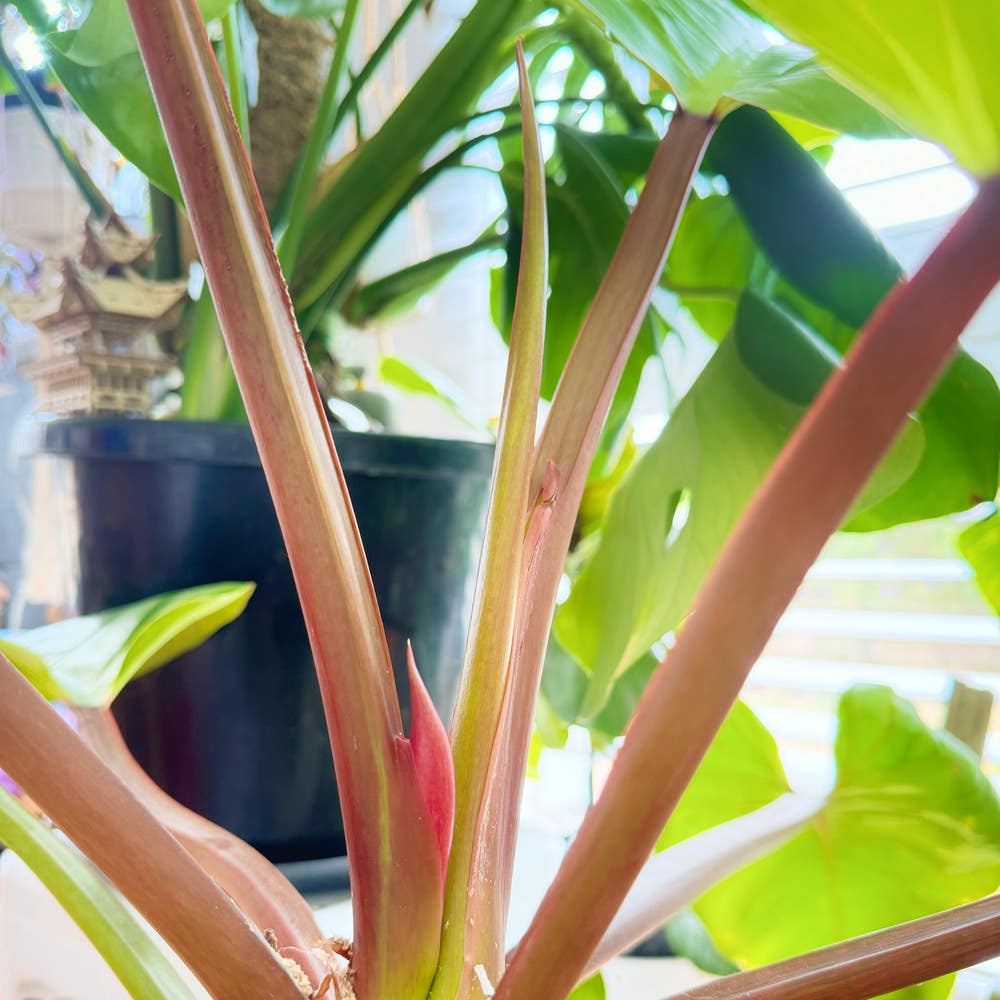
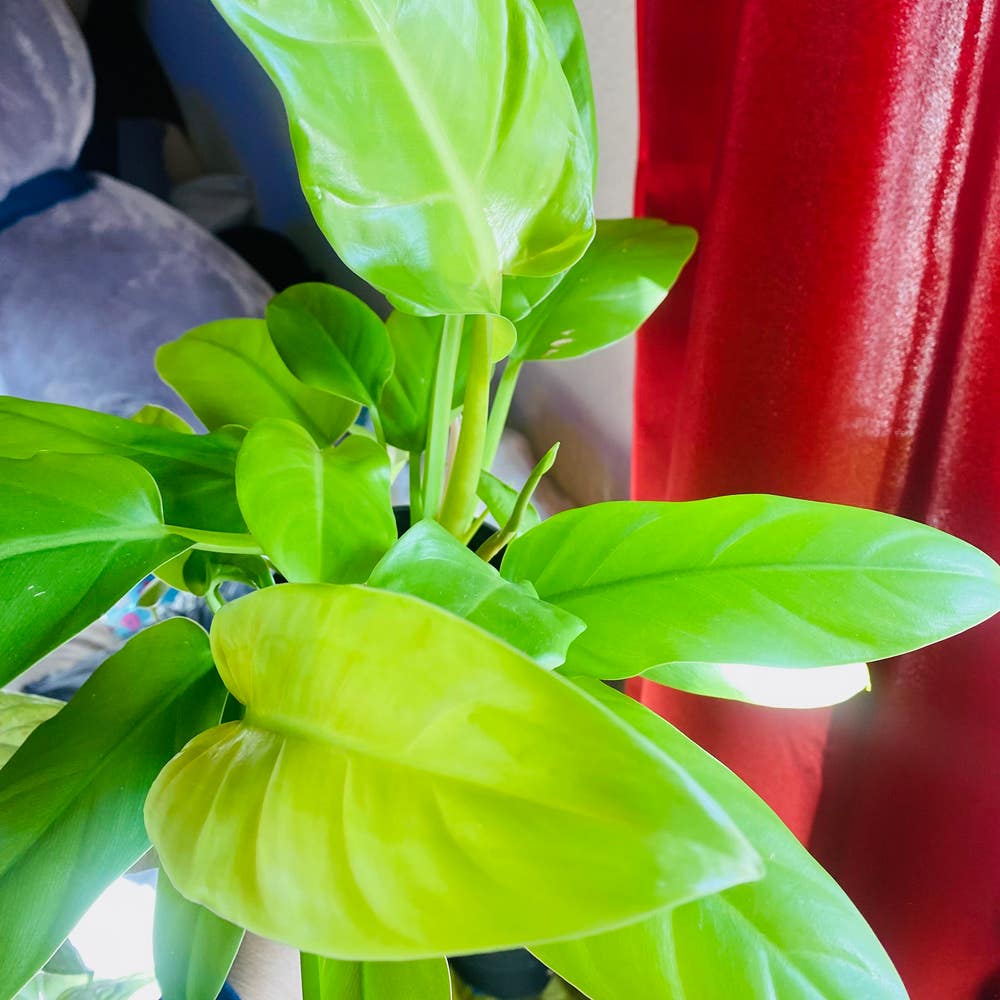
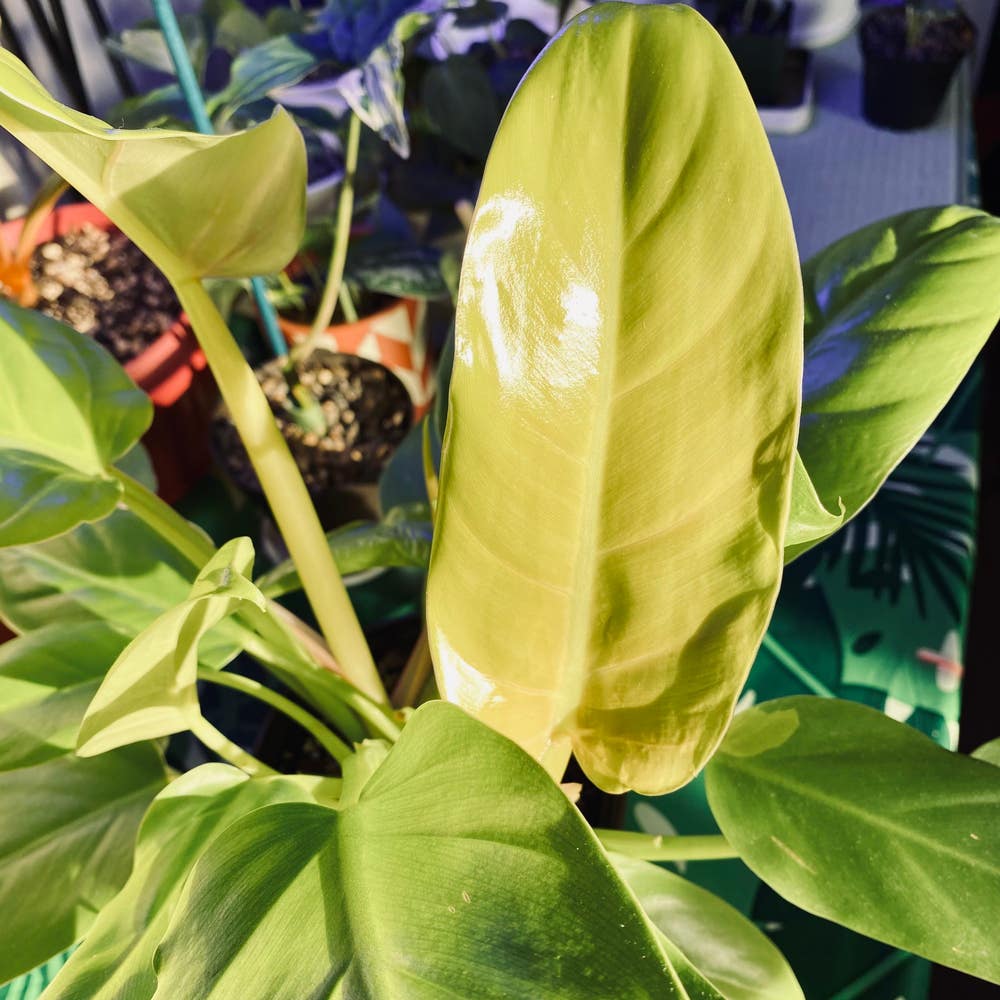
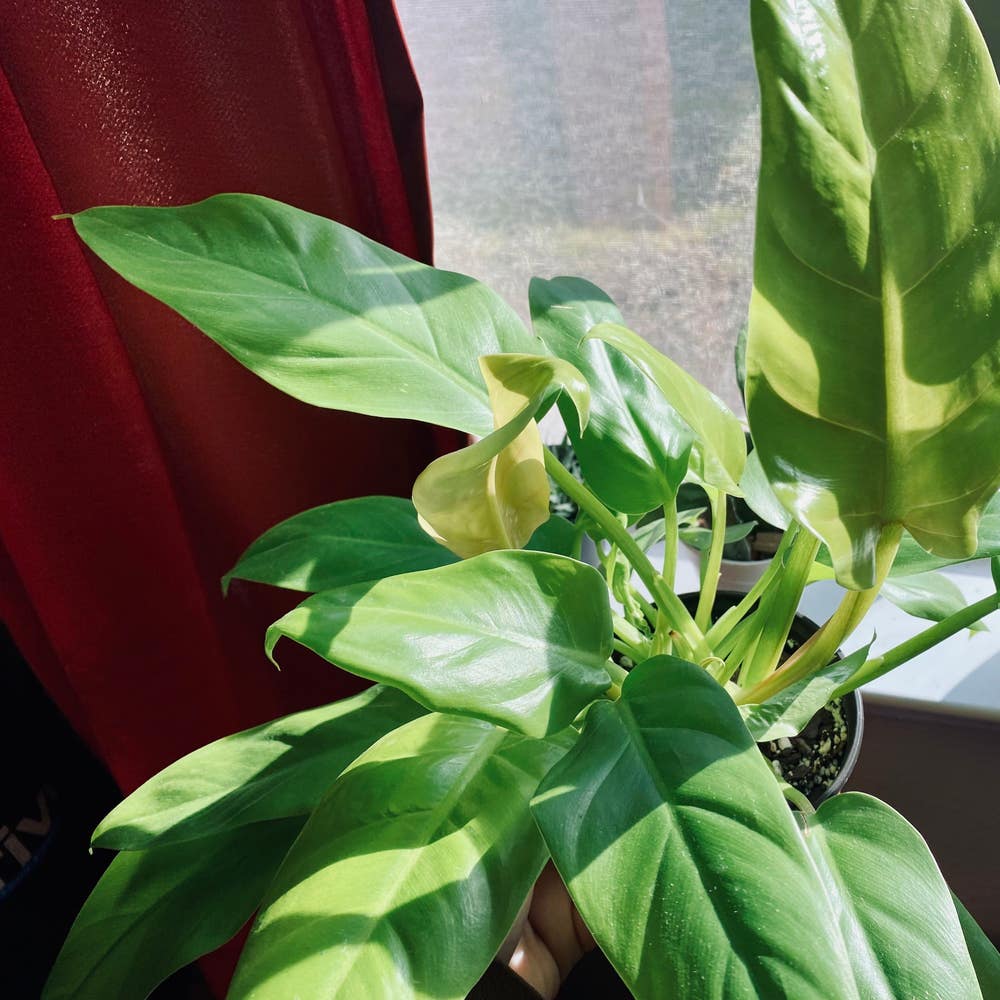
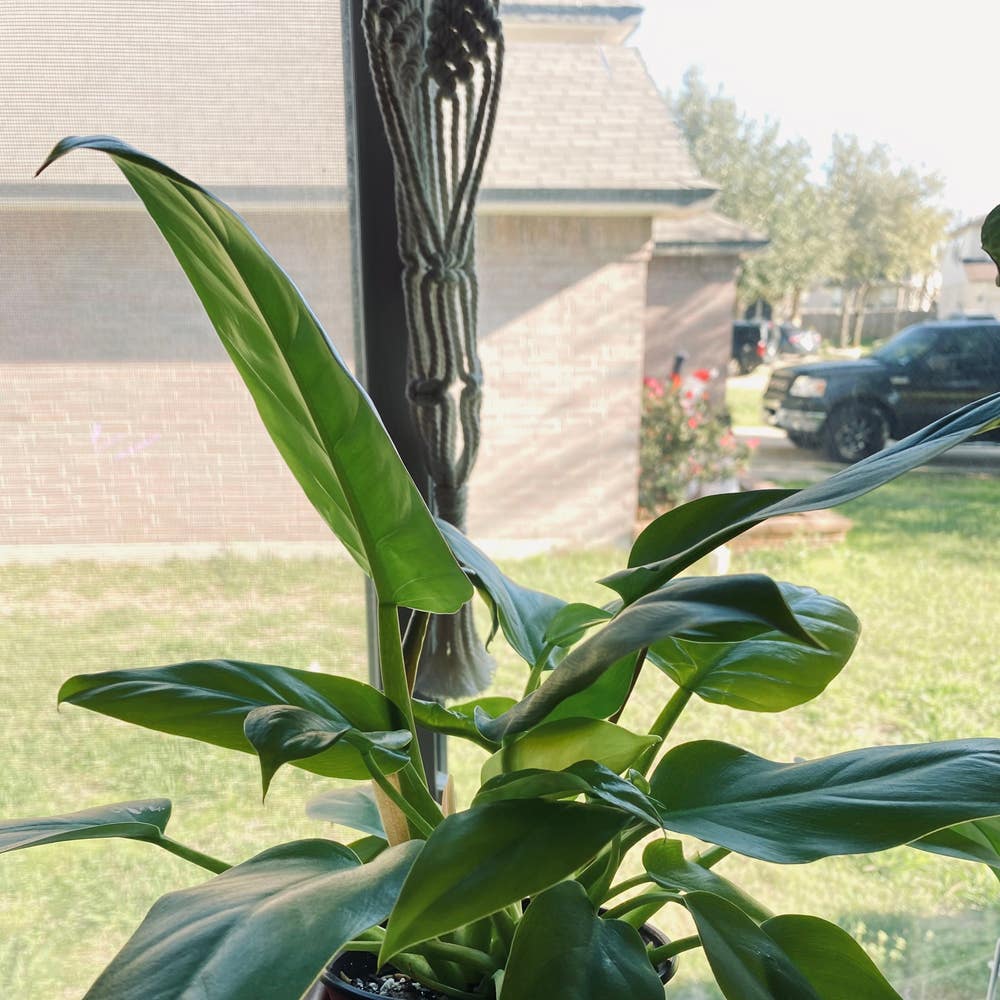
The Philodendron melinonii is a stunning plant, known for its large, glossy, heart-shaped leaves that catch the eye. With a climbing or trailing growth habit, it can reach heights of up to 3 feet and spread about 2 feet wide, making it a striking addition to any space.
Most Appealing Parts to Animals 🐾
Young shoots are particularly appealing to herbivores, as they are tender and packed with nutrients. Additionally, the plant's attractive and fragrant flowers, along with its fruits, can draw in various animals, making it a target for curious critters.
This combination of beauty and edibility makes the Philodendron melinonii a favorite among both plant enthusiasts and local wildlife. Understanding what attracts animals can help you protect your plant while appreciating its allure.
Common Herbivores
🦌 Deer
Signs of Presence and Damage
Deer can be a significant threat to your Philodendron melinonii. Look for irregularly chewed leaves and hoof prints near the plant, which indicate their browsing patterns.
Interaction Type
Their feeding habits are generally harmful, as they can severely damage foliage and hinder growth. This can lead to stunted plants and unsightly appearances.
Deterrent Methods
To keep deer at bay, consider using commercial deer repellents. Alternatively, you can plant deer-resistant species nearby or use human hair and soap shavings as organic deterrents.
🐇 Rabbits
Signs of Presence and Damage
Rabbits leave clear signs of their presence, such as cleanly cut stems and leaves. You might also find small, round droppings near the plant.
Interaction Type
These furry critters can be particularly harmful, often decimating young plants. Their appetite can quickly turn a thriving plant into a mere shadow of its former self.
Deterrent Methods
For an easy fix, try bitter-tasting sprays to deter rabbits. Fencing that stands 2-3 feet high or using repellents like cayenne pepper can also be effective organic methods.
🐿️ Squirrels
Signs of Presence and Damage
Squirrels are notorious for gnawing on leaves and stems. You may also notice nesting materials, such as twigs and leaves, taken from your plant.
Interaction Type
Their interaction is generally harmful, leading to significant plant damage. This can disrupt the plant's health and overall appearance.
Deterrent Methods
To deter squirrels, consider using squirrel repellents. You can also employ scare tactics, like reflective tape or noise-makers, to keep them away.
🐦 Birds
Signs of Presence and Damage
Birds can be both friends and foes. Look for pecks or holes in leaves and droppings on foliage as signs of their presence.
Interaction Type
Birds have a mixed interaction with your plants; while some may help with pollination, others can cause damage. This dual role can complicate their impact on your garden.
Deterrent Methods
For a gentle approach, use bird-safe repellents to deter unwanted visitors. Netting or reflective objects can also help keep them at bay.
🐭 Rodents
Signs of Presence and Damage
Rodents can wreak havoc on your Philodendron. Look for chewed roots and stems, along with burrows near the plant base.
Interaction Type
Their presence is generally harmful, as they can undermine plant stability and health. This can lead to long-term damage if not addressed.
Deterrent Methods
To combat rodents, consider using rodent bait stations as a chemical deterrent. Organic methods like traps and planting deterrent herbs, such as mint, can also be effective.
🦡 Groundhogs/Woodchucks
Signs of Presence and Damage
Groundhogs leave distinct signs, including large bites taken from leaves and stems. You may also find burrows near the base of the plant.
Interaction Type
Their interaction is generally harmful, often causing extensive damage to your plants. This can lead to significant setbacks in your gardening efforts.
Deterrent Methods
Commercial groundhog repellents can help keep these pests away. Additionally, fencing that is 3-4 feet high or using castor oil can serve as effective organic deterrents.
Understanding these common herbivores and their impact on your Philodendron melinonii is crucial for maintaining its health. By implementing the right deterrent methods, you can protect your plant and ensure it thrives in your garden.
Beneficial Animals and Ecological Impact
🐝 Description of Beneficial Animals
In the garden, not all visitors are unwelcome. Pollinators like bees and butterflies are drawn to the vibrant flowers of the Philodendron melinonii, playing a crucial role in its reproduction.
Additionally, predatory insects such as ladybugs and lacewings help keep pest populations in check. Their presence can significantly reduce the need for chemical interventions.
🌍 Positive Impacts
Encouraging beneficial animals enhances biodiversity in your garden. This variety supports a balanced ecosystem, making your plants healthier and more resilient.
Moreover, these natural allies provide effective pest control. By reducing harmful insect populations, they help maintain the overall health of your Philodendron melinonii, allowing it to thrive.
Understanding the role of these beneficial creatures can inspire you to create a more harmonious garden environment. As you cultivate your plants, remember that fostering a diverse ecosystem is key to long-term success.
With this knowledge, you can transition to exploring protection strategies for your beloved Philodendron melinonii.
Protection Strategies
🛡️ Preventive Measures
Choosing the right location for your Philodendron melinonii can make a world of difference. Opt for less accessible spots to deter hungry herbivores.
Companion planting is another effective strategy. Incorporate herbs and flowers known to repel animals, creating a natural barrier around your beloved plant.
⚠️ Reactive Solutions
Regular monitoring is essential for early detection of herbivore activity. Keep an eye out for any signs of nibbling or damage.
When you notice any issues, act quickly. Implement deterrents immediately to minimize further harm to your plant.
🍂 Seasonal Variations
Be aware of seasonal changes that affect herbivore behavior. In spring, expect increased activity from rabbits and deer as they emerge from winter.
Summer brings a surge in squirrel and bird interactions, so stay vigilant.
As fall approaches, rodent activity ramps up as they prepare for winter, making it crucial to reinforce your protective measures.
By understanding these dynamics, you can better safeguard your Philodendron melinonii and enjoy its beauty year-round.
Toxicity and Safety
⚠️ Toxic Effects
Philodendron melinonii exhibits mild toxicity, which can cause irritation in some herbivores. This characteristic may deter certain animals from munching on its leaves.
🦙 Implications
While the plant's toxicity can act as a deterrent for some creatures, it doesn't guarantee protection against all herbivores. Understanding this balance between attraction and toxicity is crucial for maintaining a healthy ecosystem around your philodendron.
By recognizing which animals are affected, you can better strategize your plant care and protection methods. This knowledge empowers you to create a thriving environment for your philodendron while minimizing unwanted nibbling.
As you navigate the complexities of plant care, remember that a little awareness goes a long way. With the right approach, you can enjoy the beauty of your philodendron while keeping it safe from potential threats.
Next, let’s explore effective protection strategies to safeguard your beloved plant from herbivores.
⚠️ Safety First
This content is for general information and may contain errors, omissions, or outdated details. It is not medical, veterinary advice, or an endorsement of therapeutic claims.
Always consult a qualified healthcare professional before using any plant as food, medicine, or supplement.
Never eat any plant (or feed one to pets) without confirming its identity with at least two trusted sources.
If you suspect poisoning, call Poison Control (800) 222-1222, the Pet Poison Helpline (800) 213-6680, or your local emergency service immediately.
Spotted an error? Please report it here.
Keep your Philodendron melinonii thriving 🌱 by using Greg's personalized care reminders and tips to fend off pesky herbivores and ensure its vibrant growth!