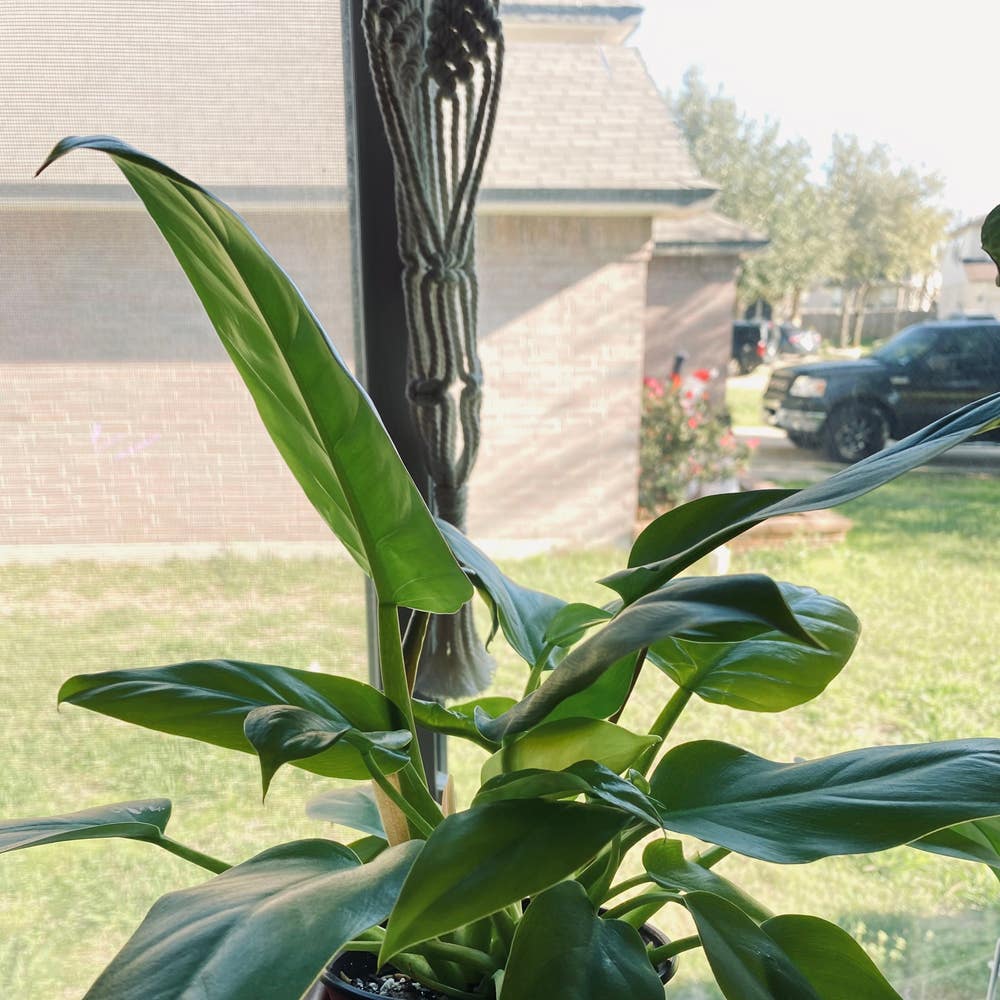
🌱 Where Can Philodendron melinonii Grow? Zones 10a-12b
Philodendron melinonii
By the Greg Editorial Team
Sep 30, 2024•4 min read
This article was created with the help of AI so we can cover more plants for you. May contain errors. See one? Report it here.
Master the temperature and humidity for thriving Philodendron melinonii! 🌱 Your garden will thank you!
- 🌡️ Philodendron melinonii thrives in USDA zones 10a-12b, ideal for warm climates.
- ❄️ Frost can be fatal; temperatures below 30°F (-1°C) are risky for this plant.
- 🌿 High humidity and warmth are essential for lush growth and vibrant leaves.
Temperature Tolerance
❄️ Cold Tolerance Specifics
Philodendron melinonii can withstand temperatures as low as 30°F (-1°C). However, it’s important to note that frost can be detrimental, potentially damaging or even killing the plant.
🔥 Heat Tolerance Specifics
On the warmer side, this tropical beauty thrives in temperatures above 70°F (21°C). For optimal growth, aim for a range between 65°F to 85°F (18°C to 29°C), where it truly flourishes.
Understanding these temperature tolerances is crucial for successful cultivation. With the right conditions, your Philodendron melinonii can thrive beautifully, setting the stage for its ideal growing regions.
Ideal Growing Regions
Examples of US States in Suitable Zones 🌞
Philodendron melinonii flourishes in several U.S. states, particularly those in warmer zones. Key states include:
- California: Known for its Mediterranean climate, California offers warm temperatures and ample sunlight, perfect for this tropical plant.
- Florida: With its humid subtropical climate, Florida provides the ideal environment, ensuring consistent warmth and moisture.
- Texas: Parts of Texas, especially in the southern regions, experience warm temperatures that support healthy growth.
- Hawaii: The tropical climate of Hawaii is a natural fit, allowing Philodendron melinonii to thrive year-round.
- Arizona: While primarily arid, certain areas in Arizona can provide the warmth needed for this plant, especially with proper care.
These states share climate characteristics that include warm temperatures and high humidity, both essential for the growth of Philodendron melinonii.
Factors Contributing to Ideal Conditions 🌱
Warm temperatures are crucial for the health of tropical plants like Philodendron melinonii. Consistent warmth helps the plant grow vigorously and maintain its lush foliage.
Humidity levels also play a significant role. Philodendron melinonii prefers high humidity, which enhances its growth and overall vitality. In regions where humidity is naturally elevated, you’ll notice this plant flourishing, showcasing its vibrant leaves and robust structure.
Understanding these factors can help you create the perfect environment for your Philodendron melinonii, whether you're planting indoors or outdoors.
As we explore further, let’s dive into the concept of microclimates and how they can enhance the growing conditions for this beautiful plant.
Microclimates and Their Impact
🌍 Definition and Benefits
Microclimates are localized areas that experience different climate conditions compared to their surrounding regions. These unique environments can significantly benefit Philodendron melinonii by providing protection from frost, enhancing humidity, and maintaining warmth.
Microclimates create a sanctuary for these tropical plants, allowing them to thrive even when the broader climate may not be ideal. This can lead to healthier growth and more vibrant foliage.
🏞️ Examples of Microclimates in the US
Several regions in the U.S. are known for their favorable microclimates.
Southern California Coastal Areas: The ocean's influence moderates temperatures, creating a warm and humid environment perfect for Philodendron melinonii.
Florida's Everglades: This region offers high humidity and warmth, essential for the plant's growth.
Urban Areas in Texas: Cities often have heat islands, which can create warmer microclimates that support tropical plants.
These microclimates not only enhance the growing conditions but also allow for a more diverse range of plant life, making them fascinating ecosystems to explore.
Understanding these localized climates can help gardeners maximize their success with Philodendron melinonii, ensuring lush growth and vibrant health. As we delve deeper into state-level suitability, consider how these microclimates might influence your gardening choices.
State-Level Suitability Analysis
🌿 Suitable and Unsuitable States
When considering where Philodendron melinonii can thrive, several states stand out. California, Florida, Texas, Hawaii, and parts of Arizona offer the warm temperatures and humidity this tropical plant craves.
Conversely, states in USDA zones below 10a, such as North Dakota, Montana, and Maine, are unsuitable. These regions experience cold temperatures, frequent frost, and shorter growing seasons, making it challenging for Philodendron melinonii to flourish.
❄️ Discussion on Frost Dates
Understanding frost dates is crucial for successful planting. The first and last frost dates indicate when it's safe to plant without the risk of frost damage.
In suitable states, the growing season is longer, with frost dates typically falling later in spring and earlier in fall. In contrast, unsuitable states face earlier frosts, limiting the time available for Philodendron melinonii to grow and thrive.
This knowledge empowers gardeners to make informed decisions, ensuring their plants have the best chance at success.
⚠️ Safety First
This content is for general information and may contain errors, omissions, or outdated details. It is not medical, veterinary advice, or an endorsement of therapeutic claims.
Always consult a qualified healthcare professional before using any plant as food, medicine, or supplement.
Never eat any plant (or feed one to pets) without confirming its identity with at least two trusted sources.
If you suspect poisoning, call Poison Control (800) 222-1222, the Pet Poison Helpline (800) 213-6680, or your local emergency service immediately.
Spotted an error? Please report it here.
Maximize your Philodendron melinonii's growth potential with Greg's tailored care reminders 🌱, ensuring it flourishes in the perfect climate and humidity for stunning foliage!