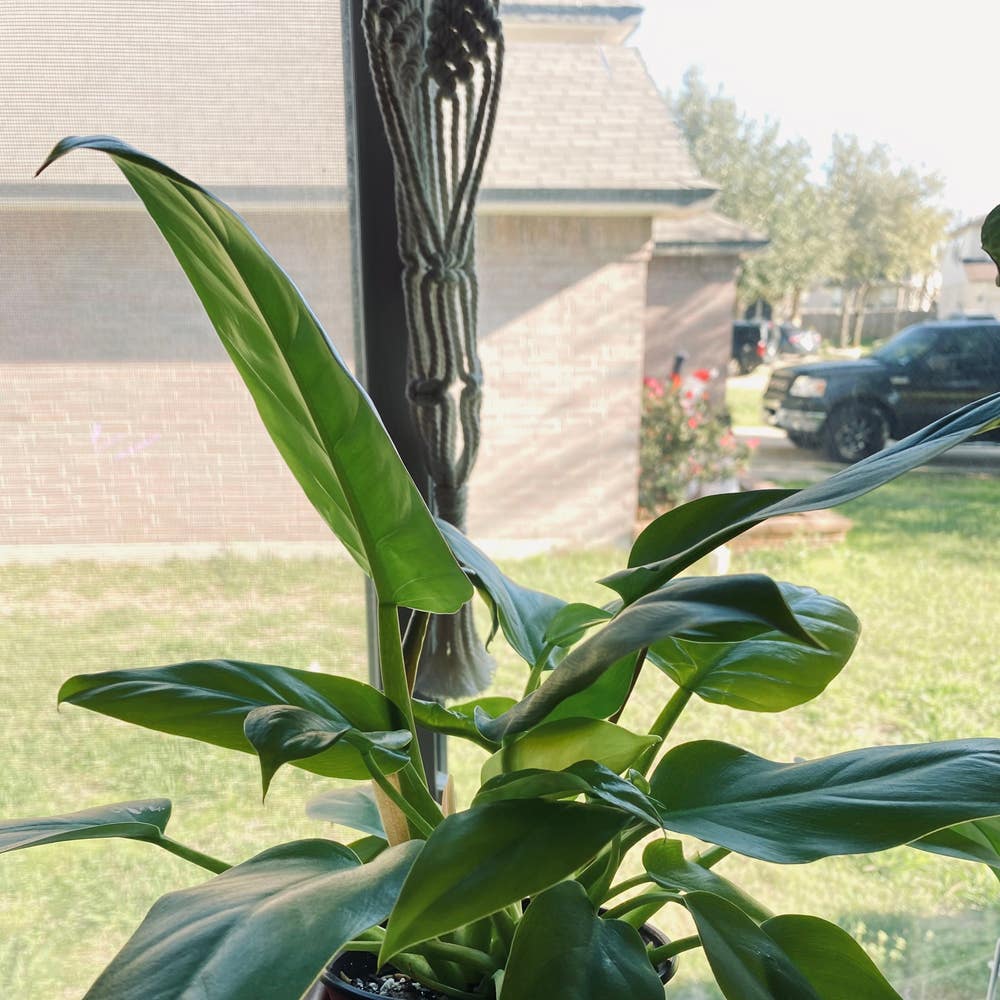
🌸 8 Tips for Fixing Flower Problems in Philodendron melinonii
Philodendron melinonii
By the Greg Editorial Team
Sep 30, 2024•5 min read
This article was created with the help of AI so we can cover more plants for you. May contain errors. See one? Report it here.
Transform your Philodendron melinonii into a blooming beauty 🌸 with these essential tips to prevent common flowering issues!
- 🌞 Philodendron melinonii needs 6-8 hours of indirect sunlight for blooming success.
- 💧 Humidity levels between 60-80% are crucial for healthy growth and flower production.
- 🌱 Balanced nutrition and consistent watering prevent flower drop and promote vibrant blooms.
Common Causes of Failure to Bloom
🌸 Identifying Failure to Bloom
If your Philodendron melinonii is thriving in foliage but lacking flower buds, it’s a clear sign of blooming issues. Understanding the typical bloom cycle is crucial; these plants usually flower during the warmer months, so timing matters.
🔍 Potential Causes
Environmental stress can significantly impact blooming. Temperature fluctuations and humidity levels often lead to stress that prevents flowers from forming.
Insufficient light is another common culprit. Philodendron melinonii requires adequate light for flower initiation, and without it, you may see a lack of blooms.
Nutritional deficiencies can also play a role. A lack of essential nutrients can hinder the plant's ability to produce flowers, leaving you with a lush plant but no blossoms.
🌱 Solutions for Encouraging Blooming
Adjust light exposure: Ensure your plant receives 6-8 hours of indirect sunlight daily. This is vital for encouraging blooms.
Maintain optimal humidity: Aim for a humidity level between 60-80%. This range supports healthy growth and flowering.
Fertilize appropriately: Use a balanced fertilizer during the growing season to provide the nutrients your plant needs.
Monitor temperature: Keep temperatures between 20°C to 30°C (68°F to 86°F). Consistent warmth helps promote blooming.
By addressing these factors, you can encourage your Philodendron melinonii to bloom beautifully. Next, let’s explore the signs and causes of premature flower drop.
Premature Flower Drop
🌼 Identifying Signs of Bud Drop
Noticing flower buds dropping before they fully bloom can be disheartening. This symptom often appears during the flowering period, signaling that something isn't quite right with your Philodendron melinonii.
⚠️ Potential Causes of Premature Flower Drop
Several factors can lead to premature flower drop.
🌪️ Environmental Stress
Sudden temperature or humidity changes can shock your plant, causing it to drop its buds.
💧 Watering Issues
Both overwatering and underwatering can disrupt soil moisture levels, negatively impacting root health and leading to bud drop.
🐜 Pest Impact
Infestations from pests like spider mites or aphids can weaken your plant, making it more susceptible to dropping buds.
🛠️ Remedies to Prevent Bud Drop
Fortunately, there are effective strategies to prevent bud drop.
Stabilize Environmental Conditions: Aim to keep temperature and humidity levels consistent. Avoid drastic changes that could stress your plant.
Water Consistently: Maintain even soil moisture without waterlogging. This balance is crucial for healthy roots.
Inspect for Pests: Regularly check your plant for common pests. Early detection can save your blooms from premature drop.
By addressing these issues, you can help your Philodendron melinonii thrive and enjoy a beautiful flowering season. Next, let’s explore how to correct abnormal flower development for even more stunning blooms.
Abnormal Flower Development
🌱 Factors Leading to Abnormal Flower Development
Abnormal flower development in Philodendron melinonii can often be traced back to nutritional imbalances. Both excess and deficiency of specific nutrients can disrupt the blooming process.
Inconsistent light exposure also plays a crucial role. Fluctuating light conditions can lead to poor flower quality, affecting the overall health of your plant.
🌼 Solutions for Correcting Flower Abnormalities
To encourage healthy blooms, start by adjusting nutrient levels. Using a fertilizer high in phosphorus can significantly promote vibrant flower production.
Additionally, ensure consistent light conditions. Providing stable, bright, indirect sunlight will support normal flower development and enhance the beauty of your Philodendron melinonii.
By addressing these factors, you can foster a thriving plant that rewards you with stunning blooms. Next, let’s explore how light impacts flowering in more detail.
Impact of Light on Flowering
Optimal Light Conditions for Flowering 🌞
Philodendron melinonii thrives in bright, indirect sunlight for about 6-8 hours daily. This light exposure is crucial for photosynthesis, which directly influences flower initiation.
Importance of Light 💡
Without adequate light, your plant struggles to produce blooms. It’s not just about growth; light is the lifeblood of flowering.
Effects of Insufficient or Excessive Light ⚖️
Insufficient light can lead to weak growth and disappointing flowering. If your Philodendron isn’t getting enough light, it may produce fewer flowers or none at all.
Excessive Light 🔥
On the flip side, too much light can scorch the leaves. This not only damages the foliage but can also inhibit flower development, leaving your plant looking less than its best.
Finding the Balance ⚖️
Striking the right balance in light exposure is key. Monitor your plant’s response and adjust its location to ensure it thrives.
Understanding the impact of light on flowering sets the stage for addressing nutritional needs, which are equally vital for healthy blooms.
Nutritional Needs for Flowering
Essential Nutrients for Healthy Blooms 🌸
To achieve vibrant blooms in your Philodendron melinonii, focus on three key nutrients: nitrogen, phosphorus, and potassium (NPK). Nitrogen promotes lush foliage, phosphorus is crucial for flower development, and potassium supports overall plant health.
Micronutrients also play a vital role in flower vitality. Calcium strengthens cell walls, magnesium aids in chlorophyll production, and iron is essential for photosynthesis. Together, these nutrients create the perfect environment for blooming.
Signs of Nutritional Deficiencies Affecting Flowers ⚠️
Watch for yellowing leaves, which often signal a nitrogen deficiency. This can hinder your plant's growth and flowering potential.
If you notice poor flower formation, it might indicate a phosphorus deficiency. Addressing these issues promptly can help restore your plant's health and encourage beautiful blooms.
Understanding these nutritional needs is key to nurturing your Philodendron melinonii. With the right balance, you can enjoy a flourishing plant that brings joy to your space.
Next, let’s explore how light conditions impact flowering and what you can do to optimize them.
⚠️ Safety First
This content is for general information and may contain errors, omissions, or outdated details. It is not medical, veterinary advice, or an endorsement of therapeutic claims.
Always consult a qualified healthcare professional before using any plant as food, medicine, or supplement.
Never eat any plant (or feed one to pets) without confirming its identity with at least two trusted sources.
If you suspect poisoning, call Poison Control (800) 222-1222, the Pet Poison Helpline (800) 213-6680, or your local emergency service immediately.
Spotted an error? Please report it here.
Boost your Philodendron melinonii's blooms with Greg's tailored care reminders 🌱, ensuring it gets the right light, water, and nutrients for a flourishing display!