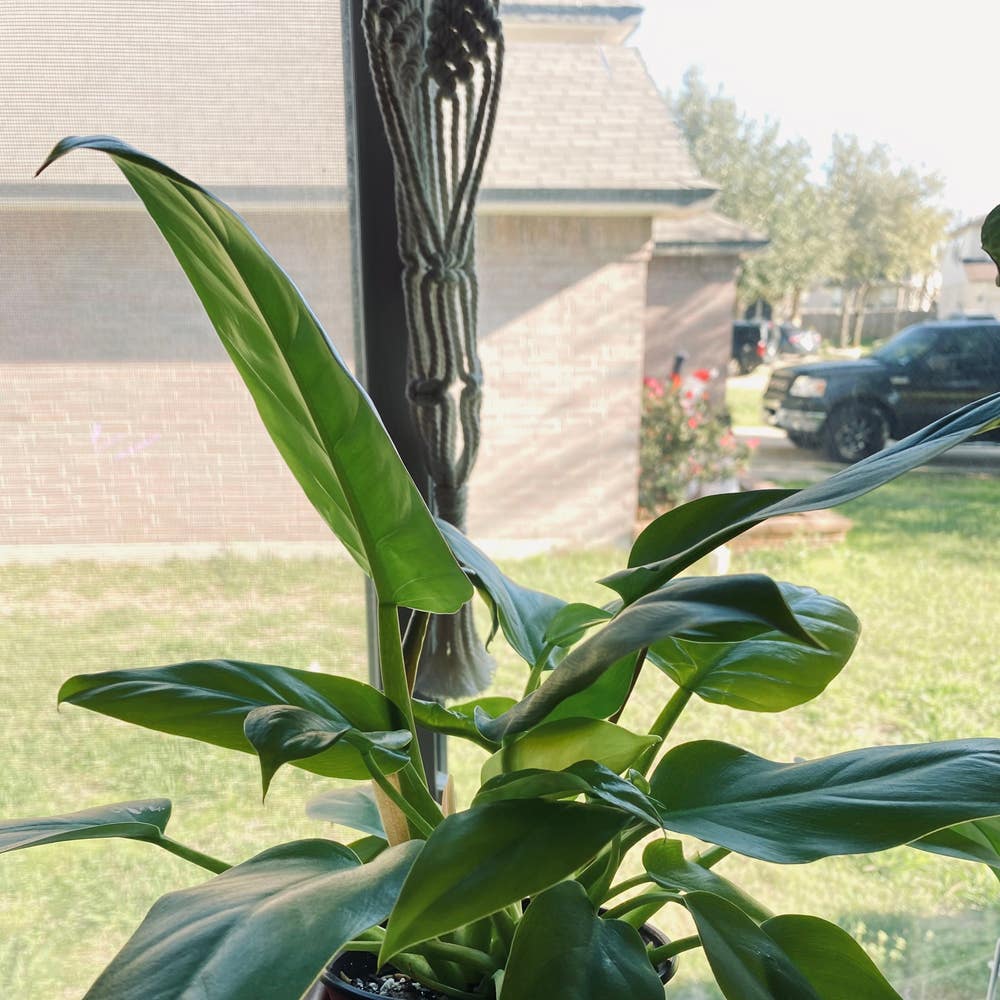
🌞 6 Secrets to Thriving Outdoor Philodendron melinonii
Philodendron melinonii
By the Greg Editorial Team
Sep 30, 2024•4 min read
This article was created with the help of AI so we can cover more plants for you. May contain errors. See one? Report it here.
Transform your Philodendron melinonii into a lush beauty with essential care tips for light, water, and soil! 🌿
- 🌞 Philodendron melinonii thrives in bright, indirect sunlight; adjust exposure for optimal growth.
- 💧 Maintain consistently moist, well-draining soil; avoid overwatering and check moisture regularly.
- 🌱 Fertilize every 4-6 weeks during growing season for lush, vibrant foliage.
Sunlight Requirements
Ideal Conditions 🌞
Philodendron melinonii thrives in bright, indirect sunlight. While it can handle partial shade, be prepared for slower growth and smaller leaves.
Signs of Insufficient Light 🚨
If you notice yellowing leaves or leggy growth, your plant is signaling that it needs more light. These signs are clear indicators that your philodendron is not getting the sunlight it craves.
Adjusting Light Exposure 🛡️
To protect your plant from harsh direct sunlight, consider using sheer curtains or shade cloth. This simple adjustment can help maintain the ideal light conditions for healthy growth.
With the right sunlight conditions established, you can now focus on the next essential aspect of care: watering needs.
Watering Needs
General Guidelines 🌧️
Philodendron melinonii thrives in consistently moist soil, but be cautious—waterlogged conditions can lead to root rot. Aim to water every 1-2 weeks, adjusting based on the weather and how quickly the soil dries out.
Signs of Overwatering and Underwatering 🚨
Watch for yellowing leaves, which often signal overwatering and potential root rot. Conversely, if you notice wilting leaves and dry soil, it’s a clear sign your plant needs more water.
Watering Techniques 💧
- Start by checking the soil moisture about 1-2 inches below the surface.
- Water thoroughly until you see excess draining from the bottom of the pot.
- Be flexible with your watering schedule; seasonal changes and rainfall can affect how often you need to water.
By keeping an eye on these watering needs, you can ensure your Philodendron melinonii remains healthy and vibrant. Next, let’s explore the ideal soil preferences for this beautiful plant.
Soil Preferences
Ideal Composition 🌱
Philodendron melinonii thrives in well-draining, rich organic soil. Aim for a pH between 6.0 and 7.0 to create the perfect environment for growth.
Amendments 🌿
To boost soil fertility and drainage, consider incorporating compost or peat moss. These amendments not only enrich the soil but also help retain moisture without becoming waterlogged.
Soil Testing 🔍
Regular soil testing is essential for maintaining optimal conditions. Check nutrient levels and pH, adjusting your soil mix as necessary to keep your plant healthy and vibrant.
By ensuring your Philodendron melinonii has the right soil, you set the stage for robust growth and lush foliage. Next, let’s explore the best fertilization practices to keep your plant thriving.
Fertilization Practices
Recommended Schedule 🌱
To keep your Philodendron melinonii thriving, fertilize every 4-6 weeks during the growing season, which spans spring and summer. This regular feeding helps promote lush growth and vibrant foliage.
Types of Fertilizers 🧪
Opt for a balanced, water-soluble fertilizer, such as NPK 20-20-20, to provide essential nutrients. Alternatively, organic options like fish emulsion can also work wonders, enriching the soil naturally.
Signs of Nutrient Deficiency ⚠️
Watch for yellowing leaves, a common sign of nitrogen deficiency. If you notice this, it’s time to adjust your fertilization routine to ensure your plant gets the nutrients it craves.
By following these fertilization practices, you’ll set your Philodendron melinonii up for success. Next, let’s explore how to protect your plant from extreme weather and seasonal changes.
Weather Protection and Seasonal Care
🌪️ Strategies for Extreme Weather
Outdoor Philodendron melinonii can be sensitive to extreme weather conditions. During the hottest part of the day, provide shade using shade cloth or nearby plants to prevent leaf scorch.
In colder months, protect your plant by covering it with frost cloth or burlap during cold snaps. This simple step can make a significant difference in keeping your plant healthy.
🌱 Seasonal Care Tips
Spring: As the growing season begins, start fertilizing and increase watering. It's also a good time to prune any dead leaves to encourage new growth.
Summer: Keep an eye out for pests and increase your watering frequency. The heat can dry out the soil quickly, so regular checks are essential.
Fall: As temperatures drop, reduce watering and prepare your plant for frost. This transition helps your Philodendron adjust to the changing conditions.
Winter: If temperatures dip below 50°F (10°C), bring your plant indoors. This will protect it from the cold and ensure it stays vibrant.
🐛 Pest and Disease Management
Outdoor pests like aphids and spider mites can be a nuisance. Treat infestations promptly with neem oil or insecticidal soap to keep your plant thriving.
Additionally, monitor for signs of disease, such as root rot or fungal infections. Improving drainage and reducing watering can help mitigate these issues, ensuring your Philodendron remains healthy.
By following these seasonal care tips and protective strategies, you can create an ideal environment for your Philodendron melinonii to flourish. Next, let’s explore the best fertilization practices to keep your plant nourished and thriving.
⚠️ Safety First
This content is for general information and may contain errors, omissions, or outdated details. It is not medical, veterinary advice, or an endorsement of therapeutic claims.
Always consult a qualified healthcare professional before using any plant as food, medicine, or supplement.
Never eat any plant (or feed one to pets) without confirming its identity with at least two trusted sources.
If you suspect poisoning, call Poison Control (800) 222-1222, the Pet Poison Helpline (800) 213-6680, or your local emergency service immediately.
Spotted an error? Please report it here.
Help your Philodendron melinonii thrive brilliantly 🌟 with Greg's tailored care reminders and expert tips, ensuring it gets the perfect light, moisture, and nutrients it craves!