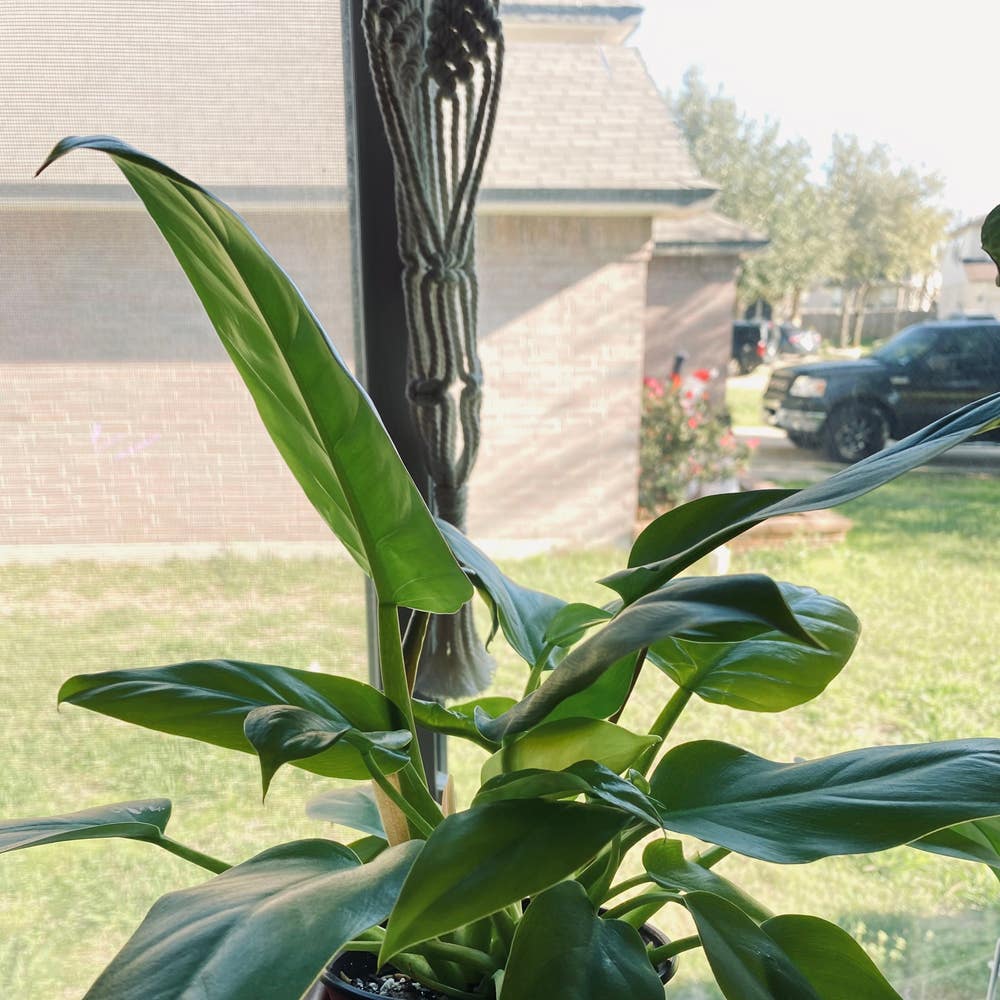
Best Tips for Healthy Philodendron melinonii Roots 🥕
Philodendron melinonii
By the Greg Editorial Team
Sep 30, 2024•6 min read
This article was created with the help of AI so we can cover more plants for you. May contain errors. See one? Report it here.
Nurture your Philodendron melinonii's roots for vibrant growth and resilience! 🌱
- 🌱 Healthy roots are vital for vibrant growth and overall plant vitality.
- 💧 Prevent root rot by allowing top soil to dry out between waterings.
- 🪴 Repot when roots grow out of drainage holes to ensure continued growth.
Characteristics of Root System
🌱 Type of Root System
Philodendron melinonii features a rhizomatous root system. This means the roots are adaptable, capable of spreading both horizontally and vertically.
These roots excel at nutrient uptake, storing essential nutrients and water. This ability significantly enhances the plant's resilience to varying conditions.
📏 Root Depth and Spread
Typically, the roots can grow up to 12 inches deep, depending on the pot size and soil conditions.
They also extend laterally, often filling the pot before reaching their maximum depth. In optimal conditions, roots grow rapidly, adapting to the available space and nutrients.
Understanding these characteristics is crucial for maintaining a healthy Philodendron melinonii. Healthy roots set the foundation for vibrant growth and overall plant vitality.
Next, we’ll explore how to effectively water and fertilize your plant to support this robust root system.
Watering and Fertilizing
🌱 How Root System Affects Watering Needs
The root system of your Philodendron melinonii plays a crucial role in its watering needs. These roots are sensitive to overwatering; if they sit in waterlogged soil, they can quickly succumb to rot.
To keep your plant thriving, allow the top 1-2 inches of soil to dry out between waterings. This simple practice helps maintain a healthy balance of moisture, ensuring your roots stay happy and functional.
🧪 Fertilization Techniques
When it comes to fertilization, a balanced NPK fertilizer is your best friend during the growing season. This type of fertilizer provides essential nutrients that support robust growth.
Aim to fertilize monthly while your plant is actively growing. As winter approaches, you can reduce the frequency to give your plant a well-deserved rest.
For optimal nutrient absorption, dilute the fertilizer in water before applying it during your regular watering routine. This method ensures that your Philodendron gets the nutrients it needs without overwhelming its roots.
By mastering these watering and fertilizing techniques, you set the stage for a thriving, vibrant plant. Next, let’s explore the best practices for transplanting and repotting your Philodendron melinonii.
Transplanting and Repotting
🌱 Best Practices for Transplanting
Transplanting your Philodendron melinonii is best done in spring or early summer when the plant is actively growing. This timing allows the plant to recover quickly and thrive in its new environment.
When selecting a pot, choose one that is 1-2 inches larger in diameter than the current one. This small increase provides ample space for root growth without overwhelming the plant.
Using a well-draining potting mix is crucial to prevent water retention around the roots. A mix that allows for good aeration will help maintain root health and promote growth.
🔍 Signs That Indicate It's Time to Repot
Keep an eye out for roots growing out of the drainage holes. This is a clear sign that your plant has outgrown its current pot and needs more space.
Stunted growth is another indicator that it might be time to repot. If your plant isn’t showing new growth despite proper care, it could be struggling for space.
Lastly, check for soil degradation. Compacted or depleted soil that retains too much moisture can hinder root health and overall plant vitality.
By recognizing these signs early, you can ensure your Philodendron melinonii continues to thrive in a healthy environment. Next, let’s explore common root-related issues that can arise and how to address them effectively.
Common Root-Related Issues
🕵️ Identifying Root Rot and Its Causes
Root rot is a sneaky problem that can devastate your Philodendron melinonii. Keep an eye out for symptoms like wilting leaves, yellowing foliage, and an unpleasant odor emanating from the soil.
The main culprits behind root rot include overwatering, poor drainage, and compacted soil. If your plant is sitting in soggy conditions, it’s a recipe for disaster.
🛠️ Solutions for Preventing Root Problems
To keep your roots happy, focus on proper watering practices. Always ensure that your pots have adequate drainage to prevent waterlogging.
Soil management is equally crucial. Opt for a well-aerated potting mix that promotes healthy root growth and allows for good airflow.
Regular inspections are a must. During repotting, take a moment to check the roots for any signs of rot or damage. Catching issues early can save your plant from serious trouble.
Recognizing Healthy vs. Unhealthy Roots
🌱 Visual Cues for Healthy Roots
Healthy roots are a vital sign of a thriving Philodendron melinonii. Look for firm, white roots; they indicate good health and effective nutrient absorption.
Additionally, healthy roots should not emit any foul odors. If your plant's roots smell fresh, that's a great sign!
🚨 Indicators of Unhealthy Roots and Corrective Measures
On the flip side, brown, mushy roots are a clear sign of root rot. If you notice this, immediate action is crucial to save your plant.
To address unhealthy roots, trim away the affected areas and repot the plant in fresh, dry soil. This will help restore its health and vitality.
Recognizing these signs early can make all the difference in maintaining a robust root system. Next, let’s explore the challenges of rootbound plants and how to tackle them effectively.
Rootbound Plants
Definition and Signs of Rootbound Conditions 🌱
Rootbound plants occur when roots fill the pot, restricting growth and nutrient uptake. You can spot this condition by observing roots circling the pot, stunted growth, and poor water retention.
When and How to Address Rootbound Issues 🛠️
It's crucial to address rootbound conditions when roots are visibly circling or growing out of drainage holes.
- Repotting Timing: Spring or early summer is ideal for repotting.
- Repotting Process: Choose a larger container and fresh soil.
- Loosening Roots: Gently loosen any circling roots to encourage new growth.
By taking these steps, you can ensure your Philodendron melinonii thrives in its new environment. This proactive approach will help your plant flourish and avoid the stress of being rootbound.
Next, let's explore the importance of root health in propagation and division.
Propagation and Division
🌱 Importance of Root Health in Propagation
Healthy roots are the backbone of successful propagation and division. Strong root systems not only support the plant but also enhance its resilience during the transition to new environments.
✂️ Step-by-Step Guide for Dividing
Timing: The best time to divide your Philodendron melinonii is in spring or early summer when it’s actively growing.
Tools: Use clean, sharp pruning shears to minimize damage to the roots.
Division Process:
- Start by carefully removing the plant from its pot.
- Gently separate the rhizomes, ensuring each division has healthy roots attached.
- Replant the divisions in suitable pots filled with well-draining soil.
Post-Division Care: After replanting, water lightly and place the new divisions in indirect sunlight until they establish themselves.
By following these steps, you can ensure that your Philodendron melinonii thrives in its new home. Healthy roots make all the difference, so take your time and enjoy the process!
Next, we’ll explore how to recognize rootbound conditions and what to do about them.
⚠️ Safety First
This content is for general information and may contain errors, omissions, or outdated details. It is not medical, veterinary advice, or an endorsement of therapeutic claims.
Always consult a qualified healthcare professional before using any plant as food, medicine, or supplement.
Never eat any plant (or feed one to pets) without confirming its identity with at least two trusted sources.
If you suspect poisoning, call Poison Control (800) 222-1222, the Pet Poison Helpline (800) 213-6680, or your local emergency service immediately.
Spotted an error? Please report it here.
Keep your Philodendron melinonii's roots thriving 🌿 with Greg's tailored watering alerts and expert care tips that ensure your plant flourishes beautifully!