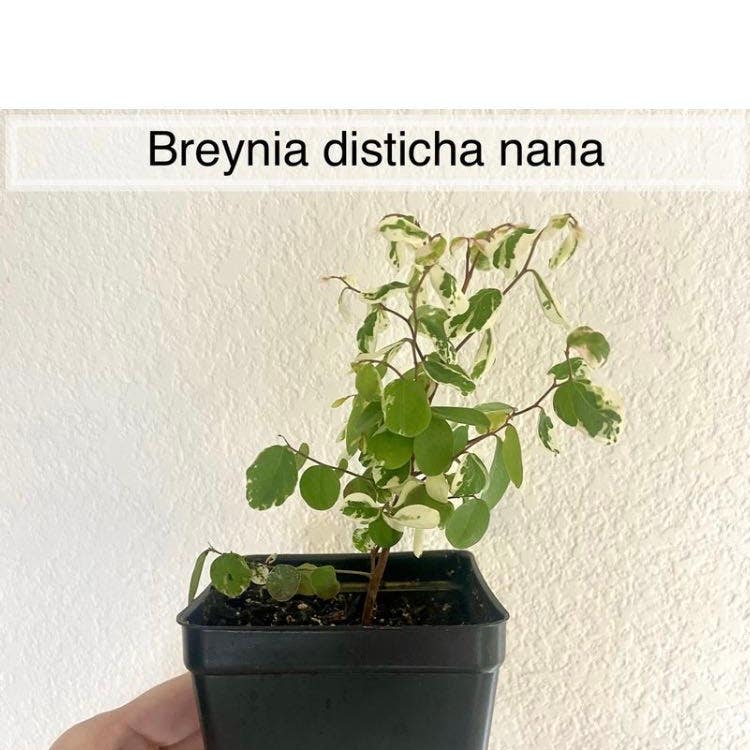
❄️ Mini Snow Bush: Where to Plant
Breynia disticha 'Nivosa'
By the Greg Editorial Team
Oct 16, 2024•5 min read
This article was created with the help of AI so we can cover more plants for you. May contain errors. See one? Report it here.
Unlock vibrant blooms for your Mini Snow Bush 🌼 by choosing the perfect planting spot in your garden!
- ☀️ Mini Snow Bush needs 6-8 hours of sunlight for optimal growth and health.
- 🌱 Well-drained sandy or loamy soil with pH 6.0-7.0 is ideal for planting.
- 🌬️ Maintain 2-3 feet distance from structures for proper air circulation and growth.
Ideal Planting Locations
☀️ Sunlight Exposure Requirements
Mini Snow Bush thrives best in full sun to partial shade. Aim for 6-8 hours of direct sunlight daily, but it can tolerate 3-4 hours of indirect light.
Air circulation is crucial for this plant. It helps prevent fungal diseases and boosts overall health, ensuring your Mini Snow Bush flourishes.
🌱 Soil Type Preferences
Well-drained soils are essential for optimal growth. Sandy or loamy soils are preferred, with a pH level between 6.0 and 7.0, leaning slightly acidic to neutral.
To enhance drainage, consider adding organic matter. Steer clear of heavy clay soils, as they tend to retain too much moisture, which can harm your plant.
🏡 Proximity to Structures and Other Plants
When planting, keep a distance of at least 2-3 feet from walls and fences. This spacing allows for proper air circulation, which is vital for the health of your Mini Snow Bush.
Avoid overcrowding with other plants; maintaining a minimum spacing of 2-3 feet is key. You can use Mini Snow Bush as a stunning focal point or border plant, enhancing your landscape with its contrasting foliage.
With these planting location tips, you’re well on your way to creating a thriving environment for your Mini Snow Bush. Next, let’s dive into how to assess the best spot for planting!
Assessing the Best Spot
🌍 Evaluating Garden Layout
Mapping out your garden layout is crucial for the Mini Snow Bush's success. Start by observing sunlight patterns throughout the day to see where the sun shines the brightest.
Identify shaded areas during peak sunlight hours. This will help you understand where your plant will thrive best.
Next, consider existing plant arrangements. Ensure compatibility with neighboring plants to avoid competition for resources.
🏡 Considering Indoor vs. Outdoor Settings
When it comes to indoor planting, choose south-facing windows for optimal light exposure. This will provide your Mini Snow Bush with the sunlight it craves.
Don't forget about drainage! Ensure your pots have adequate drainage to prevent waterlogging.
For outdoor planting, assess microclimates within your garden. Evaluate exposure to elements like wind and rain to find the most suitable spot for your plant.
By carefully considering these factors, you can create an ideal environment for your Mini Snow Bush to flourish. This thoughtful approach will set the stage for healthy growth and vibrant blooms.
Microclimates and Environmental Factors
🌬️ Wind Protection Strategies
Wind can be a silent enemy for your Mini Snow Bush. Protecting it from harsh gusts is crucial to reduce stress and prevent damage to its delicate foliage.
To shield your plant, consider planting it near natural windbreaks like fences or taller plants. Alternatively, garden structures such as trellises can provide additional support and protection.
🚰 Drainage Considerations
Proper drainage is vital for the health of your Mini Snow Bush. Without it, you risk root rot and fungal diseases, which can quickly turn your gardening dreams into a nightmare.
To assess drainage, dig a hole and fill it with water. Observe how quickly the water drains; ideally, it should be gone within 1-2 hours. This simple test can save you from future headaches and ensure your plant thrives.
With these strategies in mind, you're well on your way to creating an ideal environment for your Mini Snow Bush. Next, let’s explore specific location needs to further enhance its growth potential.
Specific Location Needs
Shade Tolerance and Sun Requirements 🌞
Mini Snow Bush is quite adaptable when it comes to light. While it can thrive in partial shade, it truly prefers full sun, soaking up those rays for optimal growth.
If your plant isn’t getting enough sunlight, you might notice leggy growth or pale leaves. These are clear signs that it’s time to adjust its placement for better exposure.
Ideal Conditions for Growth 🌡️
When it comes to temperature, Mini Snow Bush loves warmth, ideally flourishing in climates between 70°F to 90°F. It can handle a bit of cold but should be protected from frost to ensure its health.
Humidity plays a role too. This plant prefers low to moderate humidity levels, so be cautious of overly humid environments that could lead to disease.
With these conditions in mind, you can create a thriving environment for your Mini Snow Bush, ensuring it looks its best all season long.
Next, let’s explore practical tips for site selection to maximize your plant's potential.
Practical Tips for Site Selection
Tools for Assessing Soil and Light 🌱
To ensure your Mini Snow Bush thrives, start with the right tools. Soil testing kits are essential for evaluating pH and nutrient levels, helping you understand your soil's texture and drainage capabilities.
Light meters are another handy tool. They measure sunlight intensity in various areas, allowing you to pinpoint the best spots for planting based on light availability.
Step-by-Step Guide to Choosing a Location 🗺️
Choosing the perfect location for your Mini Snow Bush involves a few straightforward steps:
- Observe the garden throughout the day to assess sunlight patterns.
- Test soil drainage and pH levels using the appropriate tools.
- Evaluate proximity to structures and other plants to ensure good air circulation.
- Consider microclimates and wind protection needs for optimal growth.
- Select a spot that meets the sun exposure and soil conditions for your Mini Snow Bush.
By following these practical tips, you’ll set your plant up for success, ensuring it flourishes in its new home. Next, let’s explore how microclimates and environmental factors can further influence your planting decisions.
⚠️ Safety First
This content is for general information and may contain errors, omissions, or outdated details. It is not medical, veterinary advice, or an endorsement of therapeutic claims.
Always consult a qualified healthcare professional before using any plant as food, medicine, or supplement.
Never eat any plant (or feed one to pets) without confirming its identity with at least two trusted sources.
If you suspect poisoning, call Poison Control (800) 222-1222, the Pet Poison Helpline (800) 213-6680, or your local emergency service immediately.
Spotted an error? Please report it here.
Maximize your Mini Snow Bush's potential by ensuring it gets plenty of sunlight and well-drained soil, and let Greg guide you with personalized tips 🌱 to create a thriving garden oasis!