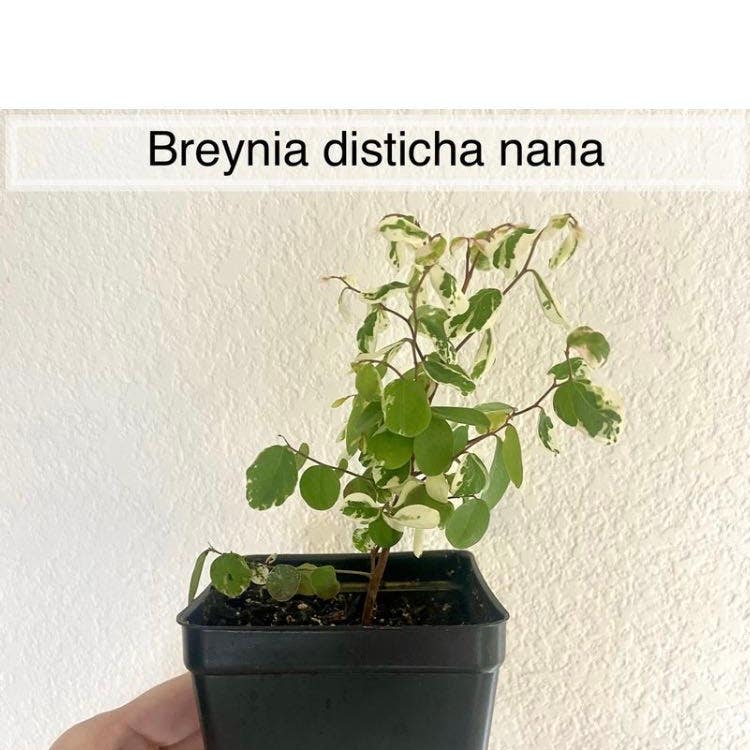
Identifying What is Eating Your Mini Snow Bush 🐞
Breynia disticha 'Nivosa'
By the Greg Editorial Team
Oct 16, 2024•7 min read
This article was created with the help of AI so we can cover more plants for you. May contain errors. See one? Report it here.
Protect your Mini Snow Bush from herbivores while inviting nature's helpers to thrive in your garden! 🌱
- 🌱 Mini Snow Bush attracts pollinators but is vulnerable to various herbivores.
- 🦌 Deer and rabbits are common threats; use fencing and netting for protection.
- 🐦 Birds can harm fruits but also aid pollination; balance is essential for health.
Appearance and Appeal
🌿 Description of Mini Snow Bush
The Mini Snow Bush typically stands between 1 to 3 feet tall, making it a compact yet striking addition to any garden. Its thick, fleshy, gray-green leaves not only provide a lush appearance but also retain moisture, making it resilient in various conditions.
🌼 Flowering Characteristics
In the flowering season, this bush produces small yellow-green flowers, which are beautifully surrounded by colorful bracts. These vibrant blooms add a splash of color, attracting both pollinators and curious onlookers.
🐾 Most Appealing Parts to Animals
Young shoots are particularly tender and nutritious, especially in spring when herbivores are on the lookout for fresh greens.
Fruits from the Mini Snow Bush are sweet and enticing, drawing in a variety of herbivores eager for a tasty snack.
Additionally, the flowers themselves are a magnet for pollinators and herbivores alike, thanks to their nectar and appealing structure.
In summary, the Mini Snow Bush is not just a feast for the eyes; it also serves as a buffet for local wildlife, making it a vital part of the ecosystem.
As we explore the common herbivores that may be drawn to this plant, understanding its appeal will help us better protect it.
Common Herbivores
🦌 Deer
Signs of presence
Look for distinct hoof prints in the soil, which indicate deer activity. You may also find dark, pellet-like droppings near your Mini Snow Bush.
Type of damage
Deer often browse on leaves and young shoots, stripping them off entirely. Heavy feeding can lead to broken branches as they push against the plant.
Beneficial or harmful interaction
Deer interactions are generally harmful. If not managed, they can decimate your Mini Snow Bush.
Deterrent methods (difficulty: moderate)
To keep deer at bay, consider installing 8-foot tall fencing around your plants. You can also use commercial deer repellents or homemade solutions like garlic spray.
🐇 Rabbits
Signs of presence
Rabbits leave clean cuts on young shoots, indicating they’ve been munching. Look for small, round droppings scattered around the base of the bush.
Type of damage
These critters graze on leaves and young shoots, often leading to bark stripping on lower stems.
Beneficial or harmful interaction
Rabbits are generally harmful to your Mini Snow Bush. Their feeding can lead to significant plant damage.
Deterrent methods (difficulty: easy)
A simple solution is to cover the bush with protective mesh netting. You can also apply bitter-tasting sprays to deter their feeding.
🐿️ Squirrels
Signs of presence
Squirrels leave irregular holes in the foliage as they chew on leaves. You might also spot their nests in nearby trees.
Type of damage
Their gnawing on branches can weaken the overall structure of your Mini Snow Bush.
Beneficial or harmful interaction
Squirrel interactions are generally harmful. They can cause stress to the plant, impacting its health.
Deterrent methods (difficulty: moderate)
To deter squirrels, use reflective objects or noise-making devices. Setting humane traps can also help relocate them.
🐦 Birds
Signs of presence
Look for feathers around the bush or visible nests in nearby trees. These signs indicate bird activity.
Type of damage
Birds may peck at the fruits, causing damage to the fruiting bodies.
Beneficial or harmful interaction
Birds can be both beneficial and harmful. While they may damage fruits, they also assist with pollination.
Deterrent methods (difficulty: easy)
Protect your fruits with bird netting to minimize damage. Hanging shiny materials can also deter birds from feasting.
🐭 Rodents and Groundhogs
Signs of presence
Look for small burrows or pathways in the soil, along with dark pellets near the plant base. These are signs of rodent activity.
Type of damage
Rodents can gnaw on roots, leading to plant stress, and extensive grazing can strip the plant of leaves entirely.
Beneficial or harmful interaction
Interactions with rodents and groundhogs are generally harmful. They can severely impact the health of your Mini Snow Bush.
Deterrent methods (difficulty: hard)
To manage these populations, consider using snap traps or live traps. Habitat modification, such as removing debris and tall grass, can also reduce hiding spots.
Understanding these common herbivores and their interactions with your Mini Snow Bush is crucial for maintaining its health. Next, we’ll explore the beneficial animals that can enhance your garden ecosystem.
Beneficial Animals and Ecosystem Impact
🐝 Pollinators: Nature's Helpers
Mini Snow Bush attracts a variety of beneficial animals, most notably pollinators like bees and butterflies. These creatures are essential for the flowering process, ensuring vibrant blooms and healthy fruit production.
🦗 Predatory Insects: Nature's Pest Control
In addition to pollinators, predatory insects such as ladybugs and lacewings find a home in the Mini Snow Bush. These beneficial bugs help keep harmful insect populations in check, creating a balanced ecosystem.
🌱 Positive Impacts on the Garden Ecosystem
The presence of these beneficial animals leads to significant positive impacts on your garden.
Enhanced Pollination
Pollination is vital for enhancing fruit and seed production. With more pollinators around, your Mini Snow Bush will thrive, yielding a bountiful harvest.
Natural Pest Control
Moreover, the predatory insects contribute to natural pest control. By reducing harmful insect populations, they help maintain the health of your garden without the need for chemical interventions.
⚖️ A Balanced Ecosystem
Encouraging beneficial species while managing harmful ones is key to a thriving garden. By fostering an environment that attracts these helpful animals, you can create a sustainable ecosystem that benefits both your plants and the wildlife around them.
As we explore further, let’s consider general protection strategies to safeguard your Mini Snow Bush from potential threats.
General Protection Strategies
🛡️ Preventive Measures
To keep your Mini Snow Bush thriving, consider implementing some effective preventive measures.
Fencing
Installing physical barriers is a smart way to protect against larger herbivores like deer. Aim for fences that are at least 8 feet tall to deter even the most determined grazers.
Companion Planting
Another strategy is companion planting. By growing plants that naturally repel herbivores nearby, you can create a protective buffer for your Mini Snow Bush.
⚠️ Reactive Solutions
Sometimes, despite your best efforts, damage can occur. Here are a couple of reactive solutions to help your plant recover.
Removal of Damaged Parts
Pruning affected areas can promote recovery. This not only helps the plant heal but also encourages new growth.
Replanting
If your Mini Snow Bush suffers severe damage, consider replanting. This will maintain the aesthetics of your garden and ensure that you have healthy plants in your landscape.
🌱 Balancing Ecosystem While Deterring Harmful Animals
It's essential to strike a balance in your garden ecosystem.
Encourage Beneficial Species
Encouraging beneficial species while managing harmful ones can be achieved through integrated pest management. This approach allows you to enjoy the advantages of nature while minimizing the downsides.
By employing these strategies, you can create a thriving environment for your Mini Snow Bush, ensuring it remains a vibrant part of your garden. Next, let’s explore seasonal considerations and the plant's mild toxicity to better understand its interactions with local wildlife.
Seasonal Considerations and Toxicity
🌸 Seasonal Variations in Animal Attraction
The Mini Snow Bush experiences distinct seasonal changes that influence animal interactions.
Spring is a critical time when young shoots emerge, making them particularly vulnerable to herbivores. These tender new growths are a prime target for hungry animals seeking nutritious food.
As we move into summer, the bush produces fruits that attract a variety of herbivores. The sweet, succulent fruits become a feast for many, drawing in creatures eager for a tasty snack.
☠️ Toxic Effects of Mini Snow Bush
Interestingly, the Mini Snow Bush has mild toxicity that can deter some herbivores.
However, this toxicity isn't a universal deterrent; many animals remain undeterred and continue to munch on the plant.
🦙 Implications for Herbivore Interactions
The varying levels of toxicity lead to mixed interactions with herbivores.
Some animals may steer clear of the bush due to its mild toxicity, while others may not be affected at all. This creates a complex ecosystem where certain species thrive while others are kept at bay.
Understanding these seasonal dynamics and toxicity levels can help you better protect your Mini Snow Bush.
Next, we’ll explore general protection strategies to keep your plant thriving amidst these challenges.
⚠️ Safety First
This content is for general information and may contain errors, omissions, or outdated details. It is not medical, veterinary advice, or an endorsement of therapeutic claims.
Always consult a qualified healthcare professional before using any plant as food, medicine, or supplement.
Never eat any plant (or feed one to pets) without confirming its identity with at least two trusted sources.
If you suspect poisoning, call Poison Control (800) 222-1222, the Pet Poison Helpline (800) 213-6680, or your local emergency service immediately.
Spotted an error? Please report it here.
Protect your Mini Snow Bush from pesky herbivores and keep it flourishing with Greg's tailored care reminders 🌿, ensuring your garden stays vibrant and healthy all year round!