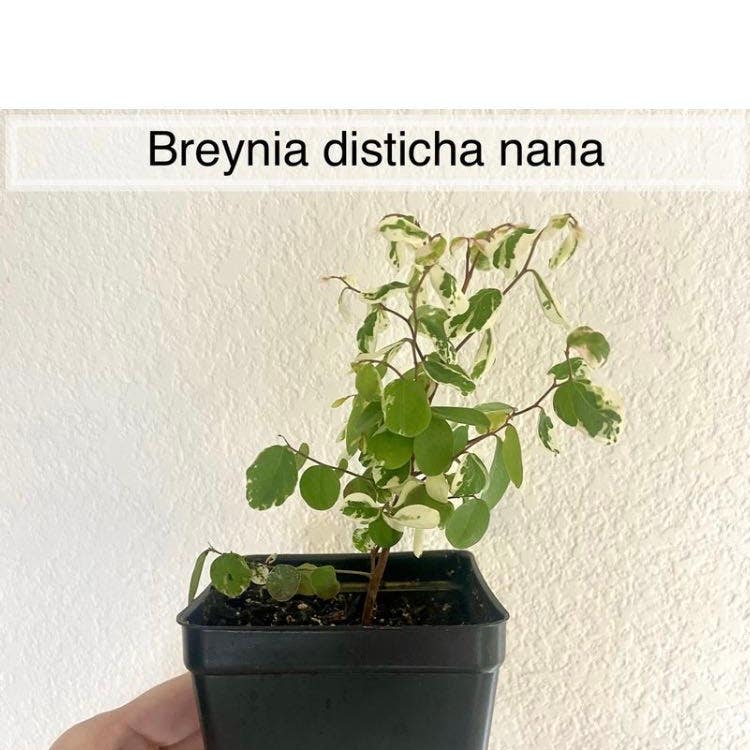
❄️ Mini Snow Bush: Not an Annual
Breynia disticha 'Nivosa'
By the Greg Editorial Team
Oct 16, 2024•4 min read
This article was created with the help of AI so we can cover more plants for you. May contain errors. See one? Report it here.
Transform your garden with the resilient Mini Snow Bush 🌿, a perennial that thrives year after year!
- 🌱 Mini Snow Bush is a perennial, thriving for over five years with proper care.
- 💧 Its water-retaining leaves and deep roots enhance survival in various climates.
- 🌼 Attracts pollinators with blooms in late spring, supporting local ecosystems.
Mini Snow Bush as a Perennial
🌱 Genetic Characteristics
The Mini Snow Bush, scientifically known as Euphorbia leucocephala, is classified as a perennial due to its unique genetic traits. These adaptations enable it to thrive long-term, distinguishing it from true annuals that complete their lifecycle in a single growing season.
Unlike annuals, which focus on rapid growth and reproduction, the genetic makeup of the Mini Snow Bush supports sustained growth over multiple years. This resilience is key to its classification as a perennial.
🌿 Physiological Traits Supporting Perennial Classification
The leaf structure of the Mini Snow Bush is specifically adapted for water retention, allowing it to survive in varying conditions. This adaptation is crucial for its longevity, especially in drier climates.
Additionally, its deep root system provides access to essential nutrients and stability. These roots help the plant endure adverse conditions, further solidifying its status as a perennial.
⏳ Long-Term Lifecycle
Typically, the Mini Snow Bush has a lifespan that exceeds five years, showcasing its durability. It exhibits active growth during spring and summer, while entering a state of dormancy in winter.
Environmental factors, such as temperature and moisture, significantly impact its lifecycle. Understanding these influences can help gardeners optimize their care strategies.
🌼 Growth and Reproductive Strategies
📈 Growth Patterns Compared to Annuals
The Mini Snow Bush experiences a slower initial growth rate compared to annuals, but this is compensated by sustained growth over the years. While annuals may continuously grow, the Mini Snow Bush's dormancy allows it to conserve resources.
This resilience enables it to recover from adverse conditions, making it a robust choice for perennial gardens.
🌸 Flowering Cycles and Seed Production
The flowering period of the Mini Snow Bush is crucial for its reproductive success. Blooms typically occur in late spring to early summer, providing a stunning display.
Seed production mechanisms differ from annuals, as the Mini Snow Bush focuses on quality over quantity. This flowering is vital for supporting local ecosystems, attracting pollinators and other wildlife.
🌱 Unique Reproductive Strategies
In terms of seed production, the Mini Snow Bush emphasizes both quantity and quality. This dual approach ensures a higher chance of successful germination.
Vegetative propagation is another strategy employed by this plant, allowing it to spread efficiently. Compared to annuals, these reproductive strategies enhance its survival and adaptability.
❓ Misconceptions and Exceptions
🌨️ Conditions Where Mini Snow Bush May Be Treated as an Annual
In harsh winter climates, the Mini Snow Bush may struggle to survive, leading some to treat it as an annual. Poor soil conditions can also limit its growth potential, further complicating its classification.
Misidentification can occur when environmental stressors impact the plant's health, causing confusion about its perennial nature.
🌍 Regional Variations Affecting Classification
Climate plays a significant role in the growth of the Mini Snow Bush. Variations in temperature and moisture levels can lead to different growth patterns based on geographical location.
Soil type also affects its health and classification. Local gardening practices may misinterpret the Mini Snow Bush's perennial characteristics, leading to misconceptions.
🌼 Garden Design Implications
🌻 Advantages of Using Mini Snow Bush in Perennial Planting
Incorporating the Mini Snow Bush into perennial planting offers several advantages. It represents a long-term investment, proving cost-effective over time.
Its unique white bracts provide aesthetic appeal, adding seasonal interest to gardens. Additionally, it supports local wildlife and pollinators, enhancing ecological benefits.
🌿 Tips for Integrating into Garden Design
When integrating Mini Snow Bush into garden design, consider companion planting with compatible species. This enhances biodiversity and creates a visually appealing landscape.
Placement is crucial for optimal growth and visibility. Seasonal planning ensures year-round interest, making the garden vibrant throughout the year.
🔧 Maximizing Longevity
🛠️ Care Tips for Managing as a Perennial
To maintain the Mini Snow Bush as a perennial, pay attention to its watering needs. Regular, adequate watering is essential for optimal health.
A well-planned fertilization schedule will meet its nutrient requirements throughout the year. Pruning techniques can help maintain its shape and overall health.
🌱 Strategies for Enhancing Lifespan in Gardens
Improving soil quality through amendments can significantly enhance growth. Addressing common pest issues with organic solutions is also vital for longevity.
Seasonal care, including preparing for dormancy and regrowth phases, ensures the Mini Snow Bush thrives year after year.
This understanding of its perennial nature not only enriches your gardening experience but also fosters a deeper appreciation for this resilient plant.
⚠️ Safety First
This content is for general information and may contain errors, omissions, or outdated details. It is not medical, veterinary advice, or an endorsement of therapeutic claims.
Always consult a qualified healthcare professional before using any plant as food, medicine, or supplement.
Never eat any plant (or feed one to pets) without confirming its identity with at least two trusted sources.
If you suspect poisoning, call Poison Control (800) 222-1222, the Pet Poison Helpline (800) 213-6680, or your local emergency service immediately.
Spotted an error? Please report it here.
Unlock the perennial potential of your Mini Snow Bush 🌿 with Greg's custom watering alerts and expert care tips to help it thrive for years to come!