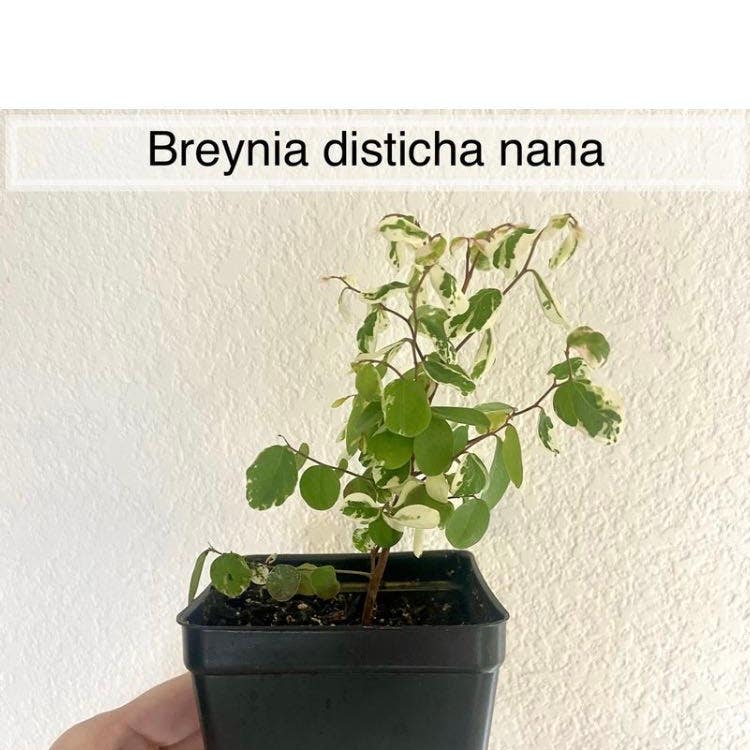
❄️ Mini Snow Bush Is a Perennial
Breynia disticha 'Nivosa'
By the Greg Editorial Team
Oct 16, 2024•5 min read
This article was created with the help of AI so we can cover more plants for you. May contain errors. See one? Report it here.
Elevate your garden effortlessly with the resilient Mini Snow Bush 🌱, a perennial that thrives year after year! 🌼
- 🌱 Mini Snow Bush is a resilient perennial, thriving for 3-5 years or longer.
- 🌍 Adaptable to various climates, it showcases unique growth patterns with seasonal changes.
- 💧 Proper care, like watering and soil quality, is essential for its health and longevity.
Characteristics that Classify Mini Snow Bush as a Perennial
🌱 Multi-Year Lifecycle
The Mini Snow Bush is a remarkable perennial that thrives for several years, continuously growing and flowering. Typically, it boasts a lifespan of 3 to 5 years or even longer, making it a reliable choice for gardeners seeking lasting beauty.
🌿 Growth Patterns
One of the standout features of the Mini Snow Bush is its ability to regenerate from the same root system each year. This resilience allows it to adapt its growth based on environmental conditions, ensuring it flourishes through various seasons.
🌸 Seasonal Growth Habits
As seasons change, the Mini Snow Bush adjusts its growth patterns accordingly. Whether basking in the summer sun or braving the chill of winter, this plant demonstrates a remarkable ability to thrive in diverse climates.
The Mini Snow Bush's perennial nature not only enhances garden aesthetics but also simplifies maintenance. Its longevity and adaptability make it a fantastic addition to any garden, setting the stage for the next discussion on seasonal changes and dormancy.
Seasonal Changes and Dormancy
Dormancy Periods 🌙
Dormancy is a crucial phase for the Mini Snow Bush, allowing it to conserve energy during colder months. During this time, you may notice signs such as yellowing leaves, reduced growth, and eventual die-back.
Impact of Seasonal Changes 🌦️
Temperature and light play significant roles in the flowering and overall health of the Mini Snow Bush. As seasons change, the timing of blooms can vary, influenced by these environmental factors.
Understanding these seasonal dynamics helps you anticipate the plant's needs and ensure it thrives year-round. With the right care, your Mini Snow Bush can flourish, even through dormancy.
Next, let’s explore the advantages of its perennial nature and how it benefits gardeners.
Advantages of Perennial Nature
🌱 Benefits for Gardeners
One of the standout advantages of the Mini Snow Bush is its ability to reduce replanting efforts. Once established, this perennial thrives year after year, allowing gardeners to enjoy its beauty without the hassle of replanting each season.
Additionally, the Mini Snow Bush develops robust root systems that enhance its resilience. These established roots help the plant withstand adverse conditions, making it a reliable choice for any garden.
⏳ Longevity Factors
Several factors influence the longevity of the Mini Snow Bush. Soil quality plays a crucial role; well-draining, nutrient-rich soil supports healthy growth.
Climate also affects how long this perennial can thrive. Proper care practices, such as regular watering and pest management, further contribute to its lifespan, ensuring that your garden remains vibrant for years to come.
With these advantages, the Mini Snow Bush not only beautifies your space but also simplifies your gardening routine. As you plan your garden, consider how these benefits can enhance your overall experience.
Climate Zone Variations
🌍 Adaptability Across Climates
Mini Snow Bush is remarkably adaptable, thriving in various climate zones. Its growth patterns shift based on local conditions, allowing it to flourish whether in a warm, sunny garden or a cooler, shaded area.
This plant exhibits different flowering and dormancy behaviors depending on temperature and precipitation. In warmer climates, it may bloom earlier, while in cooler regions, it conserves energy during harsh winters.
🌱 Growth Influencing Factors
Well-draining soil is crucial for the health of Mini Snow Bush's roots. Poor drainage can lead to root rot, hindering the plant's growth and overall vitality.
Temperature and humidity also play significant roles in its growth and flowering cycles. Higher humidity can promote lush growth, while extreme heat may stress the plant, affecting its blooming schedule.
Understanding these factors helps gardeners optimize conditions for their Mini Snow Bush, ensuring vibrant blooms and robust health. As you plan your garden, consider how these elements interact to create the ideal environment for this perennial beauty.
Maximizing Benefits in Garden Planning
Tips for Long-Term Cultivation 🌱
To ensure your Mini Snow Bush thrives, start with soil amendments. Enriching the soil with organic matter boosts nutrient levels, promoting healthy growth.
Establish a consistent watering schedule. Regular watering helps maintain moisture, especially during dry spells, while avoiding waterlogging.
Pest management is crucial. Keep an eye out for common pests and treat them promptly to prevent damage.
Importance of Mulching 🌾
Mulching is a game changer for your Mini Snow Bush. It retains moisture, regulates soil temperature, and suppresses weeds.
A layer of mulch also enriches the soil as it breaks down, providing additional nutrients over time.
Strategies for Integration 🌼
Pair your Mini Snow Bush with complementary plants for a vibrant garden. Consider mixing it with flowering perennials that bloom at different times for continuous color.
Placement is key. Position your Mini Snow Bush where it can soak up ample sunlight while allowing space for neighboring plants to flourish.
By planning thoughtfully, you can create a thriving garden that showcases the beauty of your Mini Snow Bush while ensuring its long-term health.
Next, let’s explore how climate zone variations impact its growth and flowering patterns.
⚠️ Safety First
This content is for general information and may contain errors, omissions, or outdated details. It is not medical, veterinary advice, or an endorsement of therapeutic claims.
Always consult a qualified healthcare professional before using any plant as food, medicine, or supplement.
Never eat any plant (or feed one to pets) without confirming its identity with at least two trusted sources.
If you suspect poisoning, call Poison Control (800) 222-1222, the Pet Poison Helpline (800) 213-6680, or your local emergency service immediately.
Spotted an error? Please report it here.
Keep your Mini Snow Bush thriving year after year 🌿 with Greg's tailored care tips and watering reminders that ensure it flourishes through every season!