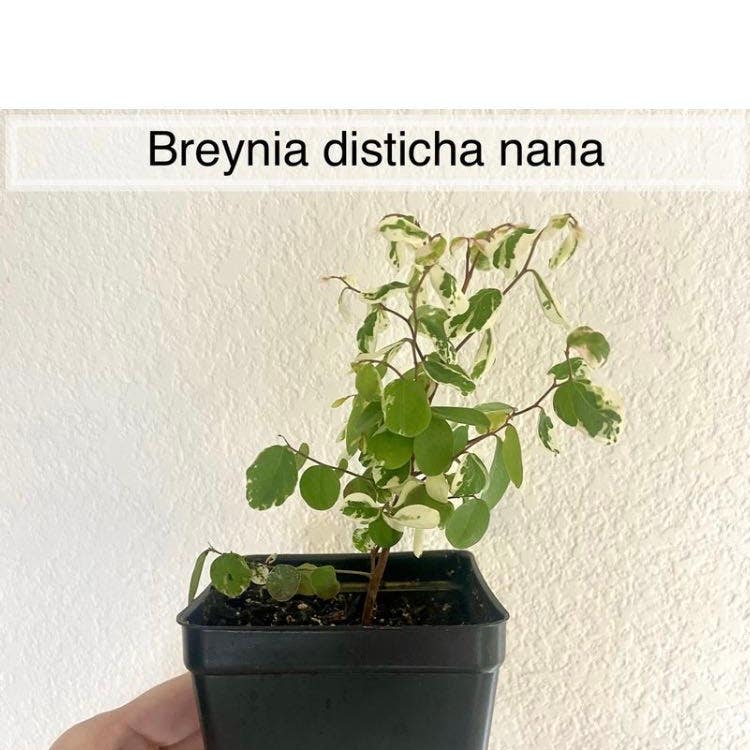
5 Top Pot Choices for Your Mini Snow Bush ❄️
Breynia disticha 'Nivosa'
By the Greg Editorial Team
Oct 16, 2024•5 min read
This article was created with the help of AI so we can cover more plants for you. May contain errors. See one? Report it here.
Unlock your mini snow bush's full potential 🌱 by mastering the art of pot selection and drainage for vibrant growth!
- 🌱 Choose the right pot material—clay offers breathability, while plastic is lightweight.
- 💧 Ensure proper drainage to prevent root rot; look for pooling water or wilting.
- 📏 Select pot sizes wisely—2-4 inches larger promotes optimal growth for your mini snow bush.
Pot Materials
🏺 Comparison of Clay vs. Plastic
When choosing pots for your mini snow bush, the material plays a crucial role. Let's dive into the pros and cons of clay and plastic pots.
Clay Pots
Benefits:
Clay pots are known for their breathability, allowing air to circulate through the soil. This promotes healthy root growth. They also offer a natural aesthetic that many gardeners love, blending beautifully with plants. Additionally, clay retains moisture, which can be beneficial during hot weather.
Drawbacks:
On the downside, clay pots are heavier, making them less portable. They can also crack in freezing temperatures, which is a concern if you live in a colder climate.
Plastic Pots
Benefits:
Plastic pots are lightweight and affordable, making them a popular choice for many gardeners. They come in various sizes, allowing for flexibility in your gardening setup.
Drawbacks:
However, plastic pots are less breathable than clay, which can lead to moisture retention and potential root issues. They can also retain heat, which might not be ideal for all plants.
📊 Summary Table Comparing All Materials
| Material | Benefits | Drawbacks |
|---|---|---|
| Clay | Breathable, natural look, moisture retention | Heavy, can crack in cold |
| Plastic | Lightweight, affordable, various sizes | Less breathable, retains heat |
Choosing the right pot material can significantly impact your mini snow bush's health and growth. Understanding these differences helps you make an informed decision tailored to your plant's needs.
Next, let's explore the importance of drainage considerations to ensure your plant thrives.
Drainage Considerations
Importance of Drainage Holes 🌧️
Drainage holes are crucial for preventing water accumulation, which can lead to root rot. Aim for a hole size of at least 1/4 inch to ensure adequate drainage.
Effects on Plant Health 🌱
Proper drainage supports healthy root systems, allowing plants to thrive. Conversely, poor drainage can cause yellowing leaves and stunted growth, signaling distress.
Signs of Poor Drainage 🚨
Look out for water pooling at the surface of the soil. If your plant is wilting despite regular watering, or if you notice mushy roots with a foul odor, these are clear signs of root rot and poor drainage.
Understanding these drainage considerations is vital for keeping your mini snow bush healthy and vibrant. Next, let’s explore when and how to repot your plant for optimal growth.
Repotting Guidelines
When to Repot 🌱
Knowing when to repot your mini snow bush is crucial for its health. Look for signs like roots growing out of drainage holes, stunted growth despite your care, or soil that seems depleted of nutrients.
Step-by-Step Guide to Repotting 🛠️
Repotting can seem daunting, but it’s manageable with the right approach. Follow these steps for a smooth transition:
- Choose the right time: Early spring or late winter is ideal.
- Prepare the new pot: Make sure it has drainage holes.
- Remove the plant gently: Take care not to damage the roots.
- Inspect roots: Trim any damaged or rotting roots.
- Place the plant in the new pot: Fill it with fresh soil.
- Water thoroughly: This helps settle the soil around the roots.
Choosing the Right Pot 🪴
Selecting the right pot is essential for your plant's growth. Aim for a pot that is 2-4 inches larger than the current one to give your mini snow bush room to thrive.
Ensure the new pot material aligns with your plant's needs. This consideration can make a significant difference in its overall health and growth.
With these guidelines, your mini snow bush will be set for a flourishing future. Next, let’s explore container size recommendations to ensure your plant has the perfect home.
Container Size Recommendations
Ideal Sizes for Growth Stages 🌱
Choosing the right pot size is crucial for your mini snow bush's health.
- Seedlings thrive in pots that are 3-4 inches wide.
- As they grow, young plants do best in 6-8 inch pots.
- For mature plants, opt for pots that are 10-12 inches or larger.
Assessing Pot Size 📏
Getting the pot size right can make all the difference.
If the pot is too small, you might notice roots pushing through the drainage holes or water pooling on the surface.
On the flip side, a pot that's too large can lead to excess soil, which often results in overwatering and slow growth.
By carefully selecting the right size, you ensure your mini snow bush has the space it needs to flourish.
Next, let’s dive into common mistakes in pot selection to help you avoid pitfalls that could hinder your plant's growth.
Common Mistakes in Pot Selection
🥴 Misconceptions About Size and Material
One of the biggest pitfalls in pot selection is the belief that all pots are interchangeable. Each plant has unique needs, and choosing the wrong size or material can hinder its growth.
Another common mistake is underestimating the importance of drainage. A pot without proper drainage can lead to waterlogged soil, which is detrimental to your plant's health.
🚰 Tips to Avoid Watering Issues
Before making a purchase, always check for drainage holes. This simple step can save you from future headaches related to overwatering.
Using well-draining soil is equally important. It complements your pot choice and helps maintain the right moisture levels.
Lastly, monitor moisture levels regularly. Adjust your watering practices based on your plant's specific needs to ensure it thrives.
By avoiding these common mistakes, you can create a nurturing environment for your mini snow bush. Next, let’s explore container size recommendations to further enhance your plant care journey.
⚠️ Safety First
This content is for general information and may contain errors, omissions, or outdated details. It is not medical, veterinary advice, or an endorsement of therapeutic claims.
Always consult a qualified healthcare professional before using any plant as food, medicine, or supplement.
Never eat any plant (or feed one to pets) without confirming its identity with at least two trusted sources.
If you suspect poisoning, call Poison Control (800) 222-1222, the Pet Poison Helpline (800) 213-6680, or your local emergency service immediately.
Spotted an error? Please report it here.
Select the perfect pot for your mini snow bush 🌿 and let Greg guide you with tailored watering reminders and care tips to keep it thriving!