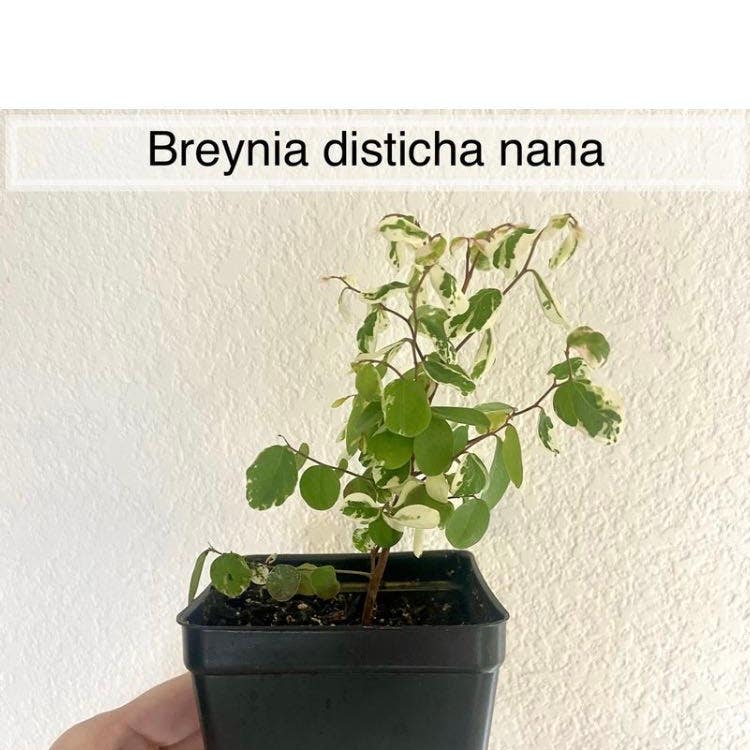
❄️ What to Do About Yellow Leaves on Your Mini Snow Bush
Breynia disticha 'Nivosa'
By the Greg Editorial Team
Oct 16, 2024•6 min read
This article was created with the help of AI so we can cover more plants for you. May contain errors. See one? Report it here.
Transform yellowing leaves into vibrant greens 🌱 with these essential tips for your Mini Snow Bush's health!
- 🌱 Yellow leaves indicate issues like nutrient deficiencies, overwatering, or pests.
- 💧 Consistent moisture is key; both overwatering and underwatering cause yellowing.
- 🐛 Regular pest checks and soil testing can prevent yellow leaves on your Mini Snow Bush.
Causes of Yellow Leaves
🌱 Nutrient Deficiencies
Nitrogen Deficiency
Nitrogen deficiency manifests as a general yellowing of older leaves and stunted growth. This nutrient is vital for chlorophyll production, which is essential for photosynthesis.
Iron Deficiency
Iron deficiency shows up as yellowing between the leaf veins, while the veins themselves remain green. Iron is crucial for photosynthesis and overall plant health, making its presence necessary for vibrant foliage.
💧 Overwatering and Root Rot
Overwatering leads to yellow leaves, wilting, and mushy roots. Poor soil drainage creates waterlogged conditions, which can result in root rot—a potentially fatal issue if not addressed quickly.
🌵 Underwatering and Drought Stress
Underwatering causes crispy, dry leaves, yellowing, and leaf drop. Infrequent watering or extremely dry conditions can stress the Mini Snow Bush, highlighting the need for consistent moisture.
🐛 Pest Infestations
Common Pests
Aphids are often indicated by sticky residue and curled leaves, while spider mites leave fine webbing and stippled leaves. These pests can sap nutrients and weaken the plant, contributing to yellowing.
🍄 Fungal Diseases
Powdery Mildew
Powdery mildew appears as white, powdery spots on leaves, leading to yellowing as the disease progresses. This condition can cause leaf drop and overall decline in plant health if not managed.
🌡️ Environmental Stress
Temperature Fluctuations
Sudden yellowing or leaf drop can occur due to temperature fluctuations. The Mini Snow Bush thrives in stable temperatures, making consistency crucial for its health.
🌬️ Humidity Levels
Dry conditions can lead to yellowing leaves, as high humidity is beneficial for this plant. Maintaining adequate moisture in the air can help prevent stress-related yellowing.
Understanding these causes is the first step in diagnosing and treating yellow leaves on your Mini Snow Bush. Next, we’ll explore how to effectively diagnose the specific issues affecting your plant.
Diagnosing Yellow Leaves
Visual Signs to Look For 🌿
When diagnosing yellow leaves on your Mini Snow Bush, start by observing the leaf color changes. Notice whether the yellowing affects older leaves or newer ones, as this can indicate different issues.
Next, examine the leaf texture. Look for signs of wilting or crispiness, which can signal problems like underwatering or pest damage.
Differentiating Between Causes 🔍
To differentiate between potential causes, check for pests vs. watering issues. Inspect the undersides of leaves for pests, as they often hide there, leaving telltale signs like sticky residue or webbing.
Consider nutrient deficiency vs. environmental stress as well. Reflect on any recent changes in care or conditions that might have impacted your plant's health.
Soil Testing for Nutrient Levels 🧪
For a more precise diagnosis, utilize soil testing methods. A soil test kit can help you determine nutrient deficiencies that may be affecting your Mini Snow Bush.
Understanding your soil's nutrient levels is crucial. Accurate diagnosis leads to effective treatment, ensuring your plant gets back to thriving.
With these diagnostic steps, you’ll be well-equipped to identify the root cause of yellow leaves and take action. Next, let’s explore practical solutions to restore your Mini Snow Bush’s health.
Solutions for Yellow Leaves
🌊 Adjusting Watering Practices
Check soil moisture: Use your finger to test the top inch of soil. This simple step helps you gauge whether your Mini Snow Bush needs water.
Watering frequency: Adjust based on the season and environmental conditions. During hotter months, you may need to water more frequently.
Signs of overwatering: Look for wilting and yellowing leaves. These symptoms indicate that your plant might be drowning rather than thriving.
🌱 Fertilization Techniques
Recommended Fertilizers: Use a balanced NPK fertilizer or one high in nitrogen. This will provide essential nutrients that your plant craves.
Timing: Fertilize during the growing season, specifically in spring and summer. This is when your Mini Snow Bush is most active and can benefit from the extra nutrients.
Application method: Always follow package instructions for dosage. Over-fertilizing can be just as harmful as under-fertilizing.
🐞 Pest Control Methods
Organic Options
Neem oil: This natural remedy is effective against pests like aphids and spider mites. It's a safe choice for your Mini Snow Bush and the environment.
Insecticidal soap: Another gentle option, this soap can help eliminate pests without harming your plant.
Chemical Options
Systemic insecticides: These are useful for severe infestations. They work from within the plant to combat pests effectively.
Importance: Always follow label instructions for safety. Proper application ensures you protect both your plant and yourself.
🌿 Improving Soil Drainage and Aeration
Techniques: Amend soil with perlite or sand to enhance drainage. This helps prevent waterlogging, which can lead to root rot.
Importance: Well-drained soil promotes healthy growth. It allows roots to breathe and absorb nutrients effectively.
✂️ Pruning Affected Leaves
When to prune: Remove yellowing leaves to redirect energy to healthy growth. This encourages your Mini Snow Bush to thrive.
Tools: Use clean, sharp pruning shears to avoid infection. Proper tools make the job easier and safer for your plant.
By implementing these solutions, you can help your Mini Snow Bush recover and flourish. Next, let’s explore how to prevent yellow leaves from becoming a recurring issue.
Preventing Yellow Leaves
🌱 Best Practices for Care
Maintaining a regular watering schedule is crucial for your Mini Snow Bush. Aim for consistent moisture while avoiding overwatering, which can lead to root rot.
Fertilization is another key aspect. Implement a seasonal fertilization routine to ensure your plant receives the nutrients it needs to thrive.
🌼 Seasonal Care Tips
As spring approaches, increase your watering frequency to match rising temperatures. This helps your plant absorb the moisture it needs for new growth.
During summer, keep a close eye on pest activity and ensure the humidity levels are adequate. This proactive approach can prevent many issues before they start.
🌞 Monitoring Environmental Conditions
Your Mini Snow Bush thrives in 6-8 hours of indirect sunlight daily. Make sure it’s positioned to receive this light without being scorched.
Temperature stability is also vital. Keep your plant in an environment where temperatures range between 65°F to 80°F (18°C to 27°C) for optimal health.
🔍 Regular Inspection for Pests and Diseases
Make it a habit to check your plants weekly for any signs of pests or diseases. Early detection is key to effective treatment and can save your plant from serious damage.
By staying vigilant, you can address issues before they escalate, ensuring your Mini Snow Bush remains vibrant and healthy.
⚠️ Safety First
This content is for general information and may contain errors, omissions, or outdated details. It is not medical, veterinary advice, or an endorsement of therapeutic claims.
Always consult a qualified healthcare professional before using any plant as food, medicine, or supplement.
Never eat any plant (or feed one to pets) without confirming its identity with at least two trusted sources.
If you suspect poisoning, call Poison Control (800) 222-1222, the Pet Poison Helpline (800) 213-6680, or your local emergency service immediately.
Spotted an error? Please report it here.
Revive your Mini Snow Bush and banish yellow leaves 🌿 with Greg's tailored care reminders and expert tips that ensure your plant stays healthy and vibrant!