❄️ All About Your Mini Snow Bush's Roots
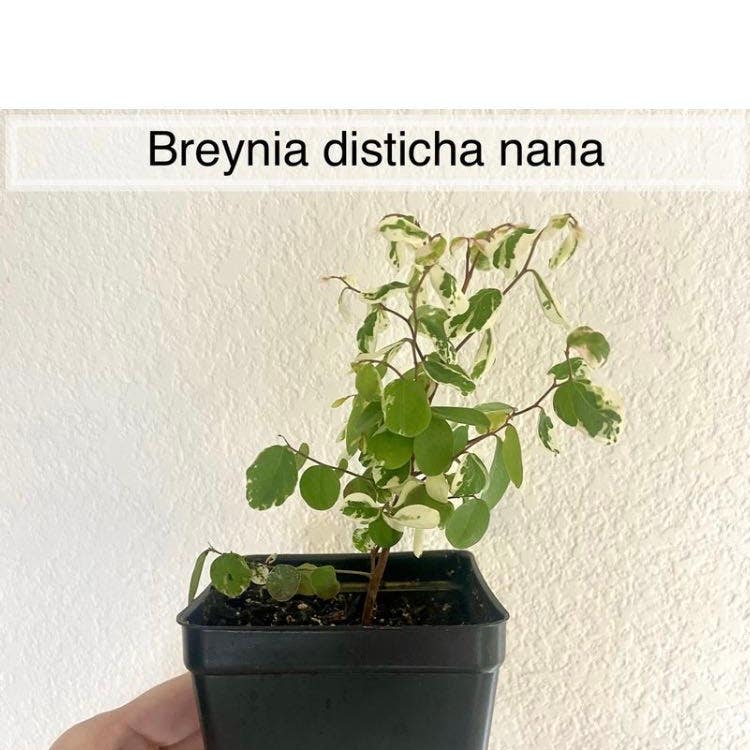
Breynia disticha 'Nivosa'
By the Greg Editorial Team
Oct 16, 2024•5 min read
This article was created with the help of AI so we can cover more plants for you. May contain errors. See one? Report it here.
Master the unique root system of your Mini Snow Bush 🌱 for vibrant growth and lasting health!
- 🌱 Mini Snow Bush roots spread horizontally, enhancing nutrient absorption and stability.
- 💧 Avoid overwatering to prevent root rot; let soil dry before watering.
- 🌿 Healthy roots are firm and white, indicating strong growth and plant vigor.
Root System Characteristics
Type of Root System 🌱
The Mini Snow Bush features a fibrous root system characterized by a dense network of thin roots that spread horizontally. This structure allows the plant to efficiently absorb nutrients while providing stability across various soil conditions.
Specific Characteristics of Roots 🌿
One of the standout traits of the Mini Snow Bush's roots is their adaptability to different soil types. However, they are sensitive to overwatering, which can lead to root health issues and ultimately affect the overall vitality of the plant.
Understanding these root characteristics is crucial for ensuring your Mini Snow Bush thrives. With the right care, you can foster a robust root system that supports healthy growth and resilience.
Next, let’s explore the root depth and spread to further understand how these factors contribute to the plant's health.
Root Depth and Spread
🌱 Typical Root Depth and Spread
The Mini Snow Bush features a shallow root system, typically reaching depths of 12 to 18 inches. This shallow depth allows the roots to spread out, extending up to 3 feet wide, which is crucial for efficient nutrient absorption.
📈 Growth Patterns
These plants exhibit rapid establishment, especially in well-draining soil. During the growing season, root activity increases significantly, supporting the plant's overall growth and vitality.
Understanding the root depth and spread of your Mini Snow Bush is essential for effective care. This knowledge will help you create the optimal environment for your plant, ensuring it thrives throughout the seasons.
Next, we’ll explore care practices influenced by these root characteristics, focusing on watering techniques and fertilization strategies.
Care Practices Influenced by Roots
🌊 Watering Techniques for Healthy Roots
To keep your Mini Snow Bush thriving, it's crucial to master your watering techniques. Allow the top inch of soil to dry out between waterings, ensuring the roots get the oxygen they need.
Well-draining soil is essential to prevent root rot. Without it, your plant's roots can suffocate, leading to serious health issues.
🌱 Fertilizing Considerations
When it comes to fertilizing, opt for balanced NPK fertilizers during the growing season. This will provide your Mini Snow Bush with the nutrients it craves.
Fertilize monthly during active growth for optimal results. This consistent feeding helps maintain vibrant foliage and robust root systems.
🌳 Best Practices for Transplanting
Timing is everything when transplanting your Mini Snow Bush. Aim for early spring or fall, as these seasons provide the best conditions for root establishment.
Follow these steps for successful transplanting:
- Prepare the new planting hole, making it twice the width of the root ball.
- Gently loosen the root ball and remove any damaged roots.
- Place the plant in the new hole and backfill with soil.
- Water thoroughly after transplanting to help settle the roots.
By following these care practices, you’ll ensure your Mini Snow Bush remains healthy and vibrant. Next, let’s explore common root-related issues that can arise and how to tackle them effectively.
Common Root-Related Issues
🕵️ Identifying Root Rot and Prevention Tips
Root rot can be a sneaky issue for your Mini Snow Bush. Look out for symptoms like wilting, yellowing leaves, and mushy roots, which are clear indicators that something's off.
To prevent root rot, focus on proper drainage and avoid overwatering. Using sterilized soil and pots can also make a significant difference in keeping your plant healthy.
🛠️ Solutions for Unhealthy Root Systems
If you find your plant struggling, don’t panic! Here’s how to revive unhealthy roots:
- Remove the plant from its pot.
- Trim away any dead or rotting roots.
- Repot in fresh, well-draining soil.
Taking these steps can breathe new life into your Mini Snow Bush, ensuring it thrives once again. With a little care, you can keep your plant's roots healthy and happy, paving the way for vibrant growth.
Next, let's explore the indicators of root health to help you monitor your plant's well-being effectively.
Indicators of Root Health
👀 Visual Cues of Healthy vs. Unhealthy Roots
Healthy roots are a sight to behold. They should be firm, exhibiting a white or light tan color, and form a robust network that supports the plant.
In contrast, unhealthy roots tell a different story. Look for dark, mushy textures or foul smells, which are clear signs that something is wrong.
📊 Other Indicators of Root Health
Plant vigor is another key indicator of root health. A thriving plant will show a strong growth rate and vibrant leaf color, signaling that the roots are functioning well.
Soil moisture levels also play a crucial role. Consistent moisture can indicate that the roots are effectively absorbing water, while fluctuations may suggest underlying issues.
By keeping an eye on these indicators, you can ensure your Mini Snow Bush remains healthy and vibrant. Next, we’ll explore common root-related issues that can arise and how to address them effectively.
Rootbound Plants
Definition and Recognition 🌱
Rootbound plants occur when roots circle the pot, restricting growth and nutrient absorption. This condition often leads to stunted growth, yellowing leaves, and roots that emerge from drainage holes.
When and How to Address Rootbound Issues ⚒️
Intervention is necessary as soon as you notice signs of being rootbound.
- Remove the plant from its pot.
- Gently loosen the roots and trim any that are excessively circling.
- Repot in a larger container filled with fresh soil.
By addressing rootbound conditions promptly, you can rejuvenate your Mini Snow Bush and promote healthier growth. This simple process can make a significant difference in your plant's vitality.
⚠️ Safety First
This content is for general information and may contain errors, omissions, or outdated details. It is not medical, veterinary advice, or an endorsement of therapeutic claims.
Always consult a qualified healthcare professional before using any plant as food, medicine, or supplement.
Never eat any plant (or feed one to pets) without confirming its identity with at least two trusted sources.
If you suspect poisoning, call Poison Control (800) 222-1222, the Pet Poison Helpline (800) 213-6680, or your local emergency service immediately.
Spotted an error? Please report it here.
Unlock the secret to a thriving Mini Snow Bush 🌿 by using Greg's custom watering alerts and expert care tips to keep those roots healthy and happy!