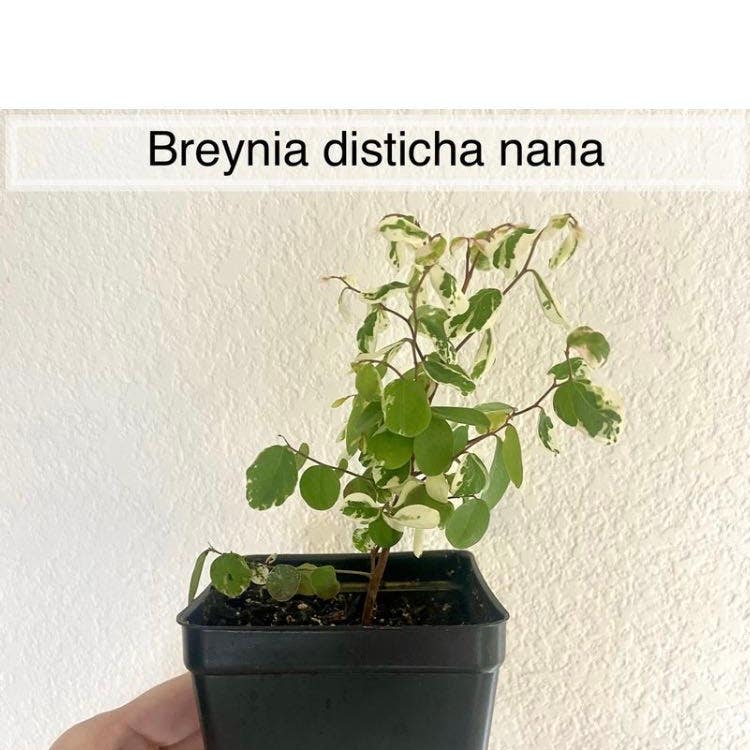
❄️ Mini Snow Bush - Ultimate Guide to Fertilizing
Breynia disticha 'Nivosa'
By the Greg Editorial Team
Oct 16, 2024•5 min read
This article was created with the help of AI so we can cover more plants for you. May contain errors. See one? Report it here.
Cultivate a vibrant Mini Snow Bush 🌿 with essential nutrient tips and fertilization techniques for stunning blooms!
- 🌱 Mini Snow Bush thrives on nitrogen, phosphorus, and potassium for optimal growth.
- 📊 Use a 3-1-2 N-P-K ratio for lush foliage and vibrant blooms.
- 🧪 Regular soil testing helps tailor fertilization for healthier plants.
Nutrient Requirements Specific to Mini Snow Bush
🌱 Essential Nutrients
Mini Snow Bush thrives on three essential nutrients: nitrogen, phosphorus, and potassium.
- Nitrogen is crucial for promoting lush foliage growth, giving your plant that vibrant green look.
- Phosphorus plays a critical role in blooming and root development, ensuring your Mini Snow Bush produces beautiful flowers.
- Potassium aids in overall plant health and boosts disease resistance, keeping your bush robust and thriving.
⚖️ Nutrient Ratios
To achieve optimal growth, aim for an ideal N-P-K ratio of 3-1-2.
This balanced nutrient supply is vital for sustained growth, helping your Mini Snow Bush flourish throughout the seasons.
By understanding these nutrient requirements, you can ensure your plant receives the right support for vibrant health and stunning blooms.
Next, let’s explore the types of fertilizers that can best meet these nutrient needs.
Types of Fertilizers Suitable for Mini Snow Bush
🌱 Organic vs. Synthetic Fertilizers
When it comes to fertilizing your Mini Snow Bush, you have two main options: organic and synthetic fertilizers.
Organic options include compost, well-rotted manure, and organic granular fertilizers. These not only nourish your plants but also improve soil structure and boost microbial activity, creating a healthier growing environment.
On the other hand, synthetic fertilizers offer chemical solutions with controlled nutrient release. They provide quick nutrient availability and precise nutrient ratios, making them a popular choice for those looking for immediate results.
💧 Slow-release vs. Liquid Fertilizers
Fertilizers can also be categorized by their release mechanism.
Slow-release fertilizers gradually release nutrients over time. For optimal results, apply these every 6-8 weeks during the growing season to ensure your Mini Snow Bush gets a steady supply of nutrients.
Liquid fertilizers are fast-acting and perfect for those moments when your plant needs a quick nutrient boost. Use them every 2-4 weeks during active growth for the best results.
Understanding these options will help you choose the right fertilizer for your Mini Snow Bush, ensuring vibrant growth and blooming. Next, let’s explore how to effectively apply these fertilizers for maximum benefit.
How to Apply Fertilizer to Mini Snow Bush
🌱 Application Techniques
When it comes to applying fertilizer to your Mini Snow Bush, the method matters.
Granular Fertilizer
Spread granular fertilizer evenly around the base of the plant, ensuring it doesn’t touch the stems. This prevents potential damage and promotes healthy growth.
After spreading, water the area thoroughly. This step activates the nutrients, allowing them to penetrate the soil effectively.
Liquid Fertilizer
For liquid fertilizers, always dilute according to the package instructions. This ensures that the nutrients are not too concentrated, which can harm your plant.
Apply the diluted solution directly to the soil, steering clear of the foliage. This helps prevent leaf burn, which can occur if the liquid comes into contact with the leaves.
⏰ Timing and Frequency of Fertilization
Timing is crucial for effective fertilization.
Initial Fertilization
Start with your initial fertilization at planting time. This gives your Mini Snow Bush a strong foundation to thrive.
Ongoing Schedule
For ongoing care, fertilize every 4-6 weeks during the growing season. This regular schedule supports continuous growth and blooming.
Adjustments
Be prepared to adjust your fertilization based on the plant's growth stage and environmental conditions. Factors like weather and soil type can significantly impact nutrient uptake, so stay observant and flexible.
With these techniques and timing in mind, your Mini Snow Bush will be well on its way to flourishing. Next, let’s explore the signs of over-fertilization and how to remedy them.
Signs of Over-Fertilization in Mini Snow Bush
Symptoms to Watch For 🌿
Over-fertilization can be detrimental to your Mini Snow Bush. One of the first signs to look for is leaf burn, characterized by browning tips and edges of leaves.
Another symptom is stunted growth; if your plant isn’t producing new growth despite regular fertilization, it may be a red flag. Additionally, keep an eye out for reduced blooming—fewer flowers or smaller blooms than expected can indicate nutrient overload.
How to Remedy Over-Fertilization 🛠️
If you suspect over-fertilization, take action quickly. Start by flushing the soil; water thoroughly to leach out excess nutrients.
Next, reduce fertilization frequency to give your Mini Snow Bush a chance to recover. Finally, monitor soil moisture and nutrient levels closely, adjusting your care routine as needed to ensure a healthy balance.
By staying vigilant and responsive, you can help your Mini Snow Bush thrive, even after a fertilization misstep. Now, let’s explore some common fertilizing mistakes to avoid in the future.
Common Fertilizing Mistakes
🌱 Over-Fertilizing Mini Snow Bush
Over-fertilization is a common pitfall for many gardeners. Signs include leaf burn, where the tips and edges turn brown, stunted growth despite regular feeding, and reduced blooming with fewer or smaller flowers.
Following recommended schedules and nutrient ratios is crucial. Ignoring these guidelines can lead to nutrient imbalances that harm your Mini Snow Bush.
🧪 Ignoring Soil Testing
Soil testing is often overlooked but incredibly beneficial. It helps you understand the nutrient levels in your soil, allowing for more precise fertilization.
Adjusting your fertilization strategy based on soil nutrient content can lead to healthier plants. This proactive approach ensures that your Mini Snow Bush receives exactly what it needs.
🌦️ Not Adjusting for Environmental Conditions
Environmental factors significantly impact nutrient uptake. Weather conditions, soil type, and even local climate can affect how well your plant absorbs nutrients.
Adapting your fertilization practices to these conditions is essential for optimal growth. Being mindful of these variables can make a substantial difference in the health of your Mini Snow Bush.
Understanding these common mistakes will help you cultivate a thriving Mini Snow Bush. Next, let’s explore how to effectively apply fertilizer for the best results.
⚠️ Safety First
This content is for general information and may contain errors, omissions, or outdated details. It is not medical, veterinary advice, or an endorsement of therapeutic claims.
Always consult a qualified healthcare professional before using any plant as food, medicine, or supplement.
Never eat any plant (or feed one to pets) without confirming its identity with at least two trusted sources.
If you suspect poisoning, call Poison Control (800) 222-1222, the Pet Poison Helpline (800) 213-6680, or your local emergency service immediately.
Spotted an error? Please report it here.
Nurture your Mini Snow Bush with the right nutrients 🌿 by using Greg's personalized reminders to keep your fertilization on track for vibrant growth!