❄️ Top 3 Signs Your Mini Snow Bush is Stressed in Winter
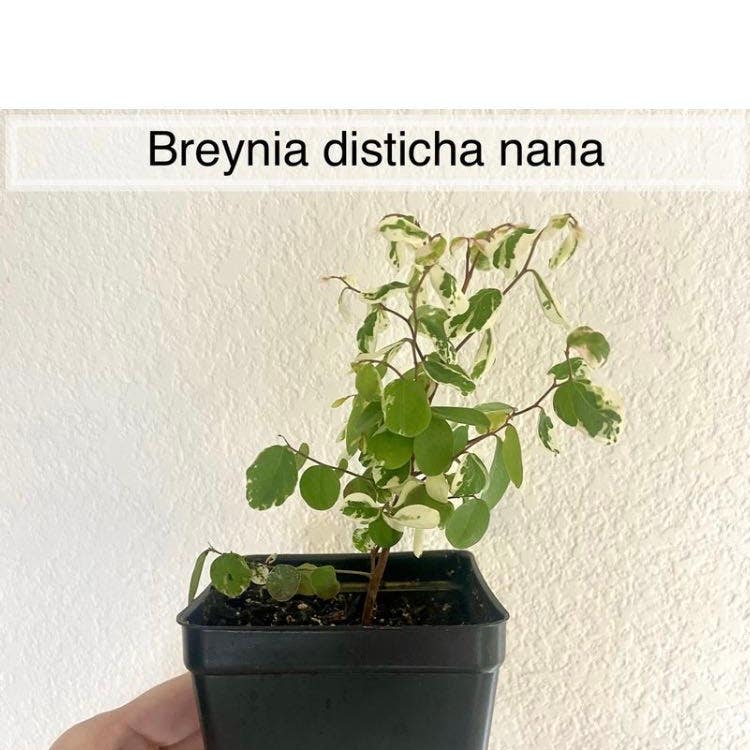
Breynia disticha 'Nivosa'
By the Greg Editorial Team
Oct 16, 2024•5 min read
This article was created with the help of AI so we can cover more plants for you. May contain errors. See one? Report it here.
Unlock the secrets to thriving Mini Snow Bushes 🌲 this winter with essential care tips for vibrant growth!
- 🌲 Mini Snow Bush stays green in winter, offering year-round beauty and resilience.
- 🌬️ Signs of stress include yellowing leaves and drooping branches; adjust care accordingly.
- ❄️ Frost protection is vital; use mulch and gradual indoor transitions for survival.
Winter Behavior of Mini Snow Bush
🌲 Characteristics of Evergreen Foliage in Winter
Evergreen plants, like the Mini Snow Bush, maintain their foliage throughout winter, showcasing resilience in cold conditions. This characteristic allows them to provide year-round greenery, even when other plants are bare.
The Mini Snow Bush retains its leaves by employing a unique adaptation process. It conserves moisture and energy, ensuring that its foliage remains intact despite the harsh winter environment.
During the winter months, you may notice subtle color changes in the leaves. The vibrant greens can shift to deeper hues, adding a touch of elegance to your winter garden.
To survive frost, the Mini Snow Bush has developed several adaptations. It produces a protective waxy coating on its leaves, which helps prevent moisture loss and shields the plant from freezing temperatures.
❄️ Importance of Understanding Winter Behavior
Recognizing these characteristics is essential for effective winter care. By understanding how your Mini Snow Bush behaves during winter, you can better support its health and vitality.
This knowledge sets the stage for identifying potential stress signs in your plant. Let’s explore the signs of stress that may indicate your Mini Snow Bush needs attention.
Signs of Stress in Winter
🌿 Identifying Leaf Discoloration
One of the first signs your Mini Snow Bush is stressed during winter is leaf discoloration. You might notice yellowing or browning leaves, which can indicate nutrient deficiencies or frost damage.
Early detection is crucial for recovery. Catching these changes early can help you take action before the stress becomes severe.
🌱 Recognizing Wilting or Drooping Branches
Another clear indicator of stress is wilting or drooping branches. If you see soft, limp branches, it’s a sign that your plant may be underwatered or experiencing frost stress.
Prolonged wilting can significantly impact plant health. Addressing this issue quickly can prevent further damage and promote recovery.
📉 Observing Stunted Growth or Dieback
Stunted growth is a critical sign of stress that you shouldn't overlook. This condition manifests as a lack of new growth or smaller-than-usual leaves.
You may also observe signs of dieback, such as dead tips or branches. Factors like environmental stressors and inadequate care can contribute to these issues, so it's essential to monitor your plant closely.
Recognizing these signs early can make a world of difference in your Mini Snow Bush's winter health. With proper care, you can help your plant thrive even in the coldest months.
Winter Care Requirements
🌊 Adjusting Watering Schedules for Winter
During winter dormancy, it's crucial to modify your watering schedule. Your Mini Snow Bush needs less water than in the growing season, as it conserves energy and resources.
Aim to water only when the top inch of soil feels dry. Overwatering can lead to root rot, while underwatering may cause stress, so keep an eye out for signs of either.
🥬 Fertilizing Needs During Dormancy
In winter, the plant's nutrient needs decrease significantly. It's best to use minimal or no fertilizer during this period to avoid overwhelming your Mini Snow Bush.
If you choose to fertilize, opt for a slow-release formula that won't shock the plant. Remember, less is often more when it comes to winter care.
❄️ Importance of Frost Protection Measures
Frost can be a significant threat to your Mini Snow Bush, so implementing protective measures is essential. Mulching around the base can help insulate the roots, while covering the plant with cloth can shield it from harsh temperatures.
Timing is key; start these protective measures before the first frost hits. This proactive approach can make a world of difference in your plant's winter survival.
With these winter care requirements in mind, you can ensure your Mini Snow Bush thrives despite the cold. Next, let’s explore the best practices for indoor winter care to keep your plant healthy and vibrant.
Indoor Winter Care
🌱 Best Practices for Bringing Indoors
Transitioning your Mini Snow Bush indoors requires careful planning. Aim to bring it inside before the first frost hits, ensuring it avoids sudden temperature shocks.
Acclimatization is key. Gradually adjust your plant to indoor conditions by placing it in a cooler area first, then slowly moving it to its final spot.
💡 Light and Humidity Requirements for Indoor Care
Your Mini Snow Bush thrives in bright, indirect light. Position it near a window where it can soak up the sun without being scorched.
Humidity is crucial for its health. Maintain adequate humidity levels by using a humidifier or placing pebble trays filled with water nearby to create a more favorable environment.
By following these indoor care tips, you can help your Mini Snow Bush flourish even during the cold winter months. Next, let's explore the winter care requirements to keep your plant healthy and vibrant.
Spring Preparation and Recovery
🌨️ Signs of Winter Damage to Look for in Spring
As winter fades, it's crucial to inspect your Mini Snow Bush for signs of damage. Common indicators include leaf drop and discoloration, which can signal stress endured during the colder months.
Assessing the overall health of your plant is essential. Look for any lingering signs of distress, as early detection can significantly aid recovery.
✂️ Steps for Recovery and Rejuvenation After Winter
Once you've identified any winter damage, it's time to take action. Start by pruning dead or damaged branches to encourage new growth and improve the plant's appearance.
Next, consider your fertilization strategy. Timing is key; applying a balanced fertilizer can rejuvenate your Mini Snow Bush, but be mindful of the type you choose.
Adjust your watering routine as well. Ensuring the right moisture levels will promote healthy new growth as the weather warms.
🌱 Preparing for the Growing Season
Transitioning care from winter to spring is vital for your plant's success. Monitor the weather and adjust your routine accordingly, as warmer temperatures signal a need for more frequent watering and fertilization.
Watch for signs that your Mini Snow Bush is ready for increased care. This includes new growth and vibrant foliage, indicating it's time to ramp up your efforts.
Finally, keep an eye on environmental conditions. As temperatures rise, being proactive will help your plant thrive in the growing season ahead.
⚠️ Safety First
This content is for general information and may contain errors, omissions, or outdated details. It is not medical, veterinary advice, or an endorsement of therapeutic claims.
Always consult a qualified healthcare professional before using any plant as food, medicine, or supplement.
Never eat any plant (or feed one to pets) without confirming its identity with at least two trusted sources.
If you suspect poisoning, call Poison Control (800) 222-1222, the Pet Poison Helpline (800) 213-6680, or your local emergency service immediately.
Spotted an error? Please report it here.
Keep your Mini Snow Bush thriving this winter ❄️ by using Greg's personalized care tips and watering reminders to combat stress and ensure a vibrant spring recovery!