❄️ 10 Key Phases of Mini Snow Bush Development
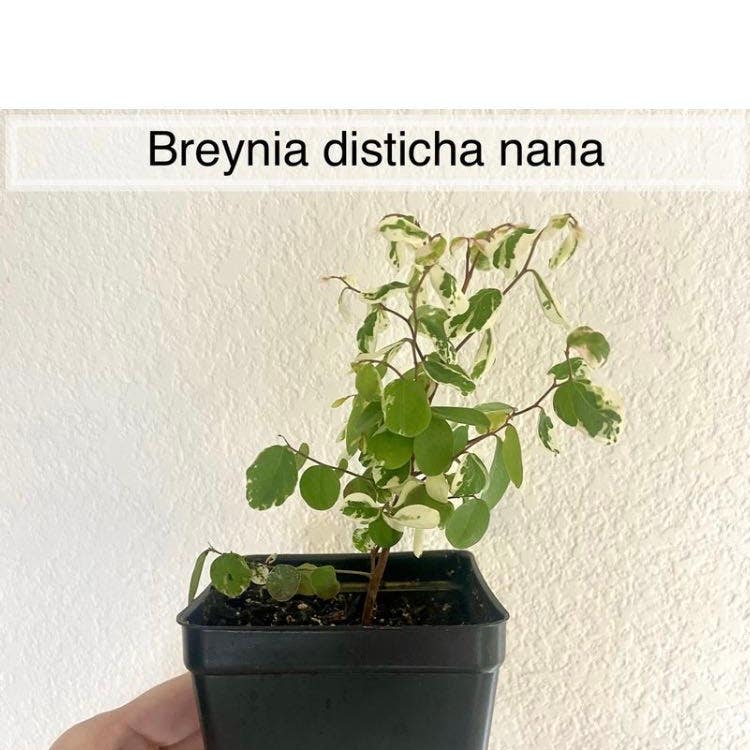
Breynia disticha 'Nivosa'
By the Greg Editorial Team
Oct 16, 2024•6 min read
This article was created with the help of AI so we can cover more plants for you. May contain errors. See one? Report it here.
Cultivate your Mini Snow Bush 🌱 from seed to stunning blooms in just a few months with these essential tips!
- 🌱 Germination takes 7-14 days; ensure optimal temperature and soil for success.
- ☀️ Mini Snow Bush needs 6-8 hours of sunlight during vegetative growth for healthy development.
- 🌼 Expect flowering 8-12 weeks post-germination, attracting pollinators and enhancing beauty.
Germination Stage
Duration of Germination 🌱
The germination period for Mini Snow Bush typically spans 7-14 days. This timeframe can vary based on several factors, including temperature, moisture levels, and seed quality.
Conditions for Successful Germination 🌿
To ensure successful germination, the soil must be well-draining and fertile, ideally with a pH between 6.0 and 7.0.
Temperature and Moisture 🌡️
The optimal temperature range for germination is between 20°C to 25°C (68°F to 77°F). Consistent moisture is crucial, but be careful to avoid waterlogging, which can hinder seed development.
Creating the right conditions is essential for your Mini Snow Bush to thrive. With the proper care, you'll set the stage for a healthy plant that flourishes in the subsequent growth phases.
Next, we'll explore the characteristics of seedlings and how to care for them during their early development.
Seedling Stage
🌱 Characteristics of Seedlings
During the seedling stage, mini snow bush plants exhibit small, vibrant green leaves that showcase a delicate structure. By the end of this phase, they typically reach a height of 2-4 inches, signaling healthy growth.
⏳ Duration and Care During This Phase
This stage lasts about 2-4 weeks, requiring attentive care.
💡 Light Requirements
Seedlings thrive in bright, indirect sunlight, which is crucial for their optimal growth.
🚰 Watering Needs
Regular watering is essential to maintain soil moisture, but be cautious to avoid overwatering, which can harm these delicate plants.
As your seedlings flourish, you'll witness their transformation, setting the stage for the next exciting phase of development.
Vegetative Growth Stage
🌱 Description of Vegetative Growth
During the vegetative growth stage, the Mini Snow Bush experiences a remarkable transformation. You’ll notice a rapid increase in height and leaf size, giving the plant a lush, bushy appearance.
As the plant matures, its leaves transition from a vibrant green to a striking silvery-white hue. This change not only enhances its aesthetic appeal but also signals the plant's progression toward maturity.
⏳ Duration and Environmental Needs
This exciting phase lasts between 4 to 8 weeks, depending on various factors. To thrive, the Mini Snow Bush requires full sun exposure, ideally soaking up 6 to 8 hours of sunlight daily.
Nutrient intake is crucial during this stage. A balanced fertilizer application every 4 to 6 weeks will support robust growth and ensure the plant remains healthy and vibrant.
As you nurture your Mini Snow Bush through this stage, you'll witness its beauty unfold, setting the stage for the flowering phase ahead.
Flowering Phase
Timing of Flowering 🌸
The flowering phase of the Mini Snow Bush typically occurs 8 to 12 weeks after germination. This period often aligns with warmer months, making it a vibrant time for the plant.
Characteristics of Flowers 🌼
During this phase, the Mini Snow Bush showcases small, delicate flowers that beautifully complement its white foliage. These flowers not only enhance the plant's aesthetic appeal but also attract various pollinators, enriching the reproductive cycle.
The presence of pollinators is crucial, as they help ensure successful fertilization. This interaction not only supports the plant's growth but also contributes to the local ecosystem.
As the flowering phase progresses, the Mini Snow Bush becomes a focal point in any garden, drawing attention with its charming blooms. This stage is not just about beauty; it’s a vital part of the plant's life cycle.
With the flowering phase complete, the plant transitions into seed production, marking another exciting chapter in its development.
Seed Production
Process of Seed Production 🌱
The seed production phase is a fascinating part of the Mini Snow Bush's life cycle. This plant is primarily self-pollinating, which means it can produce seeds without needing another plant. However, cross-pollination can enhance seed viability, leading to stronger and more resilient seeds.
Once pollination occurs, seeds begin to develop within the flower structure. This process is crucial, as it sets the stage for the next generation of Mini Snow Bushes.
Duration and Conditions for Seed Maturation ⏳
After flowering, the seeds take about 4-6 weeks to mature. During this time, environmental factors play a significant role in their development.
Warm temperatures and adequate moisture are essential for successful seed maturation. Without these conditions, the seeds may not develop properly, affecting future growth.
As you can see, understanding the seed production phase is vital for anyone looking to cultivate Mini Snow Bushes successfully. This knowledge not only enhances your gardening skills but also deepens your appreciation for the plant's life cycle.
Next, we’ll explore the overall lifespan and growth rate of the Mini Snow Bush, shedding light on what to expect as your plant matures.
Overall Lifespan and Growth Rate
🌱 Average Lifespan of Mini Snow Bush
The Mini Snow Bush typically enjoys a lifespan of 3 to 5 years when grown under optimal conditions. This longevity allows gardeners to appreciate its beauty for several seasons.
📈 Factors Influencing Growth Rate
Several factors can impact the growth rate of your Mini Snow Bush.
- Environmental Factors: Soil quality, light exposure, and moisture levels play crucial roles in how quickly your plant thrives.
- Care Practices: Regular fertilization and effective pest management can significantly enhance growth.
⏳ Answering "How Long Until Fully Grown?"
From seed to maturity, you can expect your Mini Snow Bush to take approximately 3 to 4 months. This relatively quick growth makes it a rewarding choice for gardeners eager to see results.
⚡ Answering "How Fast Does It Grow?"
The growth rate of the Mini Snow Bush is generally moderate to fast. This rate can vary based on environmental conditions and the care practices you implement.
As you nurture your Mini Snow Bush, keep these factors in mind to ensure it reaches its full potential. Next, we'll explore the notable changes that occur during its life cycle, enhancing its ornamental appeal.
Notable Changes During Life Cycle
🍃 Leaf Color Transition
As the Mini Snow Bush matures, its leaves undergo a striking transformation. They shift from a vibrant green to a silvery-white hue, creating a visually appealing contrast that enhances the plant's overall beauty.
📏 Size and Structure Changes
During the vegetative growth and flowering phases, the plant experiences significant changes in size and structure. Expect increased bushiness and height, making it a standout feature in any garden.
🌼 Overall Aesthetic Appeal
The Mini Snow Bush's journey through its life cycle not only showcases its growth but also elevates its ornamental value. Each phase adds a unique charm, making it a delightful addition to your landscape.
These notable changes reflect the plant's dynamic nature, inviting gardeners to appreciate its evolving beauty. As we move forward, let's explore how these transformations contribute to the plant's overall growth and health.
⚠️ Safety First
This content is for general information and may contain errors, omissions, or outdated details. It is not medical, veterinary advice, or an endorsement of therapeutic claims.
Always consult a qualified healthcare professional before using any plant as food, medicine, or supplement.
Never eat any plant (or feed one to pets) without confirming its identity with at least two trusted sources.
If you suspect poisoning, call Poison Control (800) 222-1222, the Pet Poison Helpline (800) 213-6680, or your local emergency service immediately.
Spotted an error? Please report it here.
Cultivate your Mini Snow Bush to bloom beautifully 🌼 with Greg's customized care tips and watering reminders that guide you through each exciting growth phase!