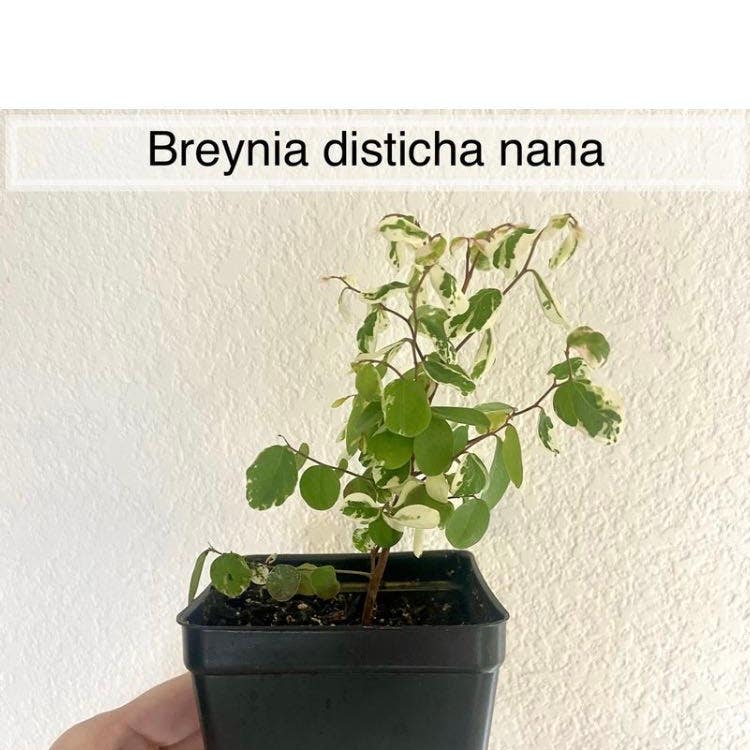
❄️ Understanding Why Your Mini Snow Bush Is Wilting
Breynia disticha 'Nivosa'
By the Greg Editorial Team
Oct 16, 2024•6 min read
This article was created with the help of AI so we can cover more plants for you. May contain errors. See one? Report it here.
Transform your wilting Mini Snow Bush 🌱 into a thriving beauty by uncovering essential care tips and solutions!
- 💧 Wilting indicates water stress—check for underwatering or overwatering issues.
- ☀️ Excessive sunlight and heat can overwhelm your Mini Snow Bush; relocate if needed.
- 🐛 Inspect for pests or diseases—they can cause wilting despite proper care.
Common Causes of Wilting Leaves
💧 Water Stress
Wilting leaves can often signal water stress in your Mini Snow Bush. Symptoms include drooping leaves, dry soil, and leaf curling.
Underwatering
Underwatering occurs when the plant doesn't receive enough moisture, leading to dehydration. If you notice dry soil and drooping leaves, it’s time to give your plant a good drink.
Overwatering
On the flip side, overwatering can be just as harmful. Poor drainage can cause root rot, which manifests as wilting despite wet soil.
🔥 Heat Stress
Heat stress is another common culprit behind wilting. Symptoms include leaf scorch, browning edges, and wilting during hot weather.
Excessive Sunlight Exposure
Direct sunlight for prolonged periods can overwhelm your Mini Snow Bush. If your plant is in full sun, consider relocating it to a shadier spot.
High Ambient Temperatures
Extreme heat can stress your plant, leading to wilting. Monitoring temperature can help you mitigate this issue before it escalates.
🦠 Disease-Related Wilting
While less common, disease-related wilting can occur. Symptoms include yellowing leaves and wilting even when the plant is adequately watered.
Root Rot and Fungal Infections
These issues are typically linked to root rot or fungal infections. However, it's important to note that pathogenic wilt is unlikely to be the primary cause in Mini Snow Bushes.
Understanding these causes is crucial for effective care. By identifying the symptoms and their origins, you can take the right steps to revive your plant and keep it thriving.
Diagnosing Wilting
Step-by-Step Guide 🌱
Assess Soil Moisture Levels
Start by checking the soil moisture with your finger. It should feel slightly moist; if it’s soggy or dry, you may have a problem.Evaluate Environmental Conditions
Look at the light exposure. Is your Mini Snow Bush basking in direct sunlight or tucked away in the shade?
Also, check the temperature. Is it facing extreme heat that could be stressing it out?Identify Symptoms
Keep an eye out for signs of water stress, like dry soil and drooping leaves. Alternatively, look for heat stress indicators such as scorched leaf edges.Inspect for Pests or Diseases
Take a close look at the leaves and stems. Are there any pests lurking or unusual spots that could signal disease?
By following these steps, you can pinpoint the cause of your Mini Snow Bush's wilting. This will set you up for effective solutions, ensuring your plant gets back to thriving in no time.
Solutions for Wilting Leaves
💧 Actionable Advice for Water Stress
Wilting leaves often signal water stress, which can stem from either underwatering or overwatering.
For underwatering, ensure you water thoroughly until moisture drains from the bottom of the pot. Using a moisture meter can help you gauge the soil's moisture levels accurately.
On the other hand, if overwatering is the issue, allow the soil to dry out completely before watering again. It's crucial to use well-draining soil to prevent water from pooling around the roots.
☀️ Actionable Advice for Heat Stress
Heat stress can also cause your Mini Snow Bush to wilt.
To combat this, relocate the plant to a shadier spot during peak sunlight hours. This simple move can significantly reduce stress on the plant.
Additionally, consider using shade cloth to protect it from direct sun exposure. This will help maintain a more stable environment for your plant.
🦠 Addressing Disease-Related Wilting
If you suspect disease-related wilting, particularly root rot, immediate action is necessary.
Start by removing the plant from its pot to inspect the roots. Trim away any black or mushy roots, as these indicate decay.
Once you've pruned the damaged roots, repot the plant in fresh, well-draining soil. This will give your Mini Snow Bush a fighting chance to recover and thrive.
By addressing these issues promptly, you can help your Mini Snow Bush bounce back and flourish. Next, let’s explore preventive measures to keep your plant healthy and vibrant.
Preventive Measures
Tips to Minimize Future Wilting Episodes 🌱
To keep your Mini Snow Bush thriving, regularly check soil moisture levels. This simple habit helps you avoid water stress, ensuring your plant stays hydrated.
Additionally, monitor environmental conditions, especially during seasonal changes. Changes in temperature and light can significantly impact your plant's health.
Best Practices for Maintaining Health 🌿
Using a well-draining soil mix is crucial to prevent overwatering. This type of soil allows excess moisture to escape, reducing the risk of root rot.
Moreover, provide adequate light without exposing your plant to harsh conditions. A balance of light and shade will keep your Mini Snow Bush happy and healthy.
By implementing these preventive measures, you can significantly reduce the chances of wilting and promote a vibrant, flourishing plant. Next, let’s explore effective techniques for reviving a wilted Mini Snow Bush.
Reviving a Wilted Mini Snow Bush
🌊 Techniques for Bottom Watering
To revive your Mini Snow Bush, start with bottom watering. Place the pot in a shallow tray of water for about 30 minutes, allowing the soil to soak up moisture from the bottom.
🏡 Relocating the Plant for Optimal Conditions
Next, consider relocating the plant. Move it to a spot with indirect light and stable temperatures to reduce stress and promote recovery.
✂️ Pruning Damaged Leaves Effectively
Pruning can also help rejuvenate your plant. Use clean, sharp pruning shears to remove any wilted or damaged leaves, making cuts at the base of the stem to encourage new growth.
By following these steps, you can give your Mini Snow Bush the best chance to bounce back. Now, let’s explore when it might be time to seek professional help for persistent issues.
When to Seek Help
Signs That Professional Assistance is Needed 🆘
If your Mini Snow Bush continues to wilt despite your best care efforts, it might be time to call in the experts. Persistent wilting can indicate deeper issues that basic care can't resolve.
Look out for any pests or disease signs that seem beyond your control. If you notice unusual spots on leaves or a sudden influx of bugs, don’t hesitate to seek help.
Resources for Assistance 🌱
Local nurseries are a fantastic resource for expert advice and plant assessments. They can provide tailored solutions based on your specific situation.
Additionally, consider engaging with online communities like Greg. These platforms offer a wealth of support and shared experiences from fellow plant enthusiasts who can guide you through your Mini Snow Bush's challenges.
With the right help, you can get your plant back on track and thriving again!
⚠️ Safety First
This content is for general information and may contain errors, omissions, or outdated details. It is not medical, veterinary advice, or an endorsement of therapeutic claims.
Always consult a qualified healthcare professional before using any plant as food, medicine, or supplement.
Never eat any plant (or feed one to pets) without confirming its identity with at least two trusted sources.
If you suspect poisoning, call Poison Control (800) 222-1222, the Pet Poison Helpline (800) 213-6680, or your local emergency service immediately.
Spotted an error? Please report it here.
Revive your wilting Mini Snow Bush with Greg's tailored watering alerts 🌱, ensuring it gets just the right amount of moisture to thrive and flourish!